
Small Animal Exercise Wheels
Find a wheel that fits your pet, cage, and routine.

Last updated:
Quick answer
Small animal exercise wheels are simple products, but the details matter.
- Updated for 2026
- Source-backed comparisons
- Reader-first buying guides
- Transparent affiliate disclosure
Small animal exercise wheels are simple products, but the details matter. A wheel that looks fine in photos may be too small, too loud, or too rough for daily use. For pets like hamsters, gerbils, mice, and other small animals, the right wheel should support natural running without wobble, pinched feet, or noisy squeaks that can bother both pet and owner.
This sub-hub helps you compare wheels in plain language. We focus on the features that change real use: diameter, running surface, mounting style, and how easy the wheel is to clean. Some wheels clip to cage bars, while others stand on a base. Some use solid running tracks, while others have slats or mesh. Those design choices affect safety, comfort, and how stable the wheel feels during fast runs.
Because product listings can be vague, it also helps to look past the marketing name and check the actual specs. A wheel labeled for “small pets” may still be too small for a Syrian hamster or too noisy for a bedroom setup. PetGearAdvisor breaks down manufacturer details, documented reviews, and buyer feedback so you can match the wheel to your pet’s size, cage space, and daily habits with less guesswork.
Key highlights
- Match wheel size to your pet
- Choose a smooth running surface
- Check noise before buying
- Look for stable mounting
How to choose (and common mistakes)
Start with your pet’s size and species, not the package label. A wheel that works for a mouse may be too small for a dwarf or Syrian hamster. Check the inside diameter, then make sure the running track is wide enough for steady footing. A solid surface is usually easier on tiny feet than wire or mesh.
Next, think about the cage setup. If space is tight, a bar-mounted wheel may save room. If you want less wobble, a base stand can help. Also review noise, because some wheels rattle on bars or click at the axle. Easy cleaning matters too, since food bits and bedding can collect fast.
Common mistakes include buying by outer size instead of running diameter, ignoring mounting style, and choosing a wheel with gaps that can trap feet. If you are unsure, compare the actual measurements and the running surface first.
⚡ Quick Picks: Small Animal Exercise Wheels
Three strong options to start with. Pick one that matches your goal, then jump to the guides below.
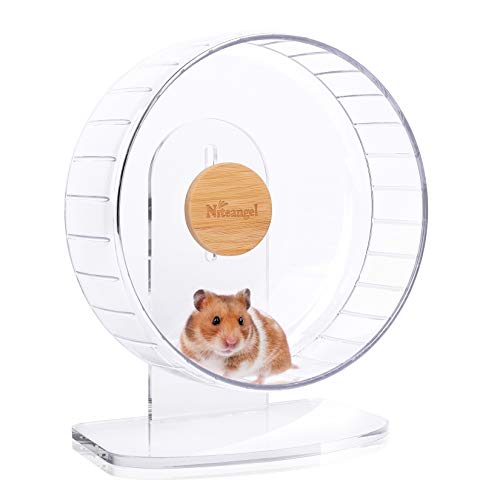
Niteangel 10-Inch Hamster Exercise Wheel
A 10-inch running wheel designed for hamsters, featuring a quiet operation suitable for cage use. This wheel provides a simple accessory option for small pet exercise.

Niteangel 11-Inch Hamster Exercise Wheel
This 11-inch running wheel is a cage accessory for hamsters, designed to provide a quiet exercise option. It features a simple design suitable for small pets.
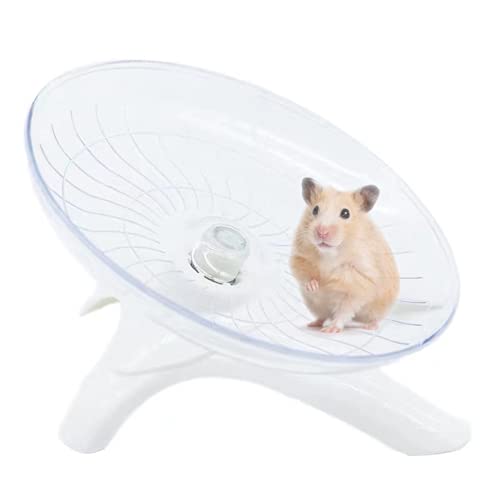
Hamster Flying Saucer Silent Exercise Wheel
A silent running exercise wheel suitable for hamsters, gerbils, mice, hedgehogs, and other small pets. The wheel features a white design and operates quietly to minimize noise.
Carefully selected Small Animal Exercise Wheels tested for quality and value by PetGearAdvisor experts.

Latest Guides
New guides are on the way — check back soon.
How We Choose & Recommend
Short, practical guidance first—then product picks when you are ready.
- We compare features and real-world use cases for Small Animal Exercise Wheels.
- We scan user feedback for patterns (not one-off opinions).
- We call out trade-offs so you can pick confidently.
FAQ
What size wheel should I get?
Choose the wheel by your pet’s body size and species, then check the inside diameter. A wheel for a mouse is usually too small for a dwarf or Syrian hamster. Your pet should run with a level back, not arched. Compare the listed running diameter and wheel width before you buy. If the listing is vague, skip it.
Are solid wheels better than wire wheels?
Solid wheels are usually a better pick for tiny pets because paws stay on one flat surface. Wire or mesh wheels can create gaps and uneven footing, which may feel less stable during fast runs. Solid tracks are also easier to wipe clean after bedding or dust builds up. Look for a smooth edge and a closed running surface.
How do I reduce wheel noise?
Check the axle and mount first, since loose parts often make the most sound. A wheel with a smooth bearing and a sturdy base tends to rattle less than one that hangs on thin bars. Also make sure the wheel sits level and does not hit cage walls. If the listing mentions quiet spin, read reviews for real noise feedback.
Should I choose a stand or cage mount?
A stand can give better balance on a flat cage floor or habitat base, while a bar mount saves space in a tight wire cage. The right choice depends on where the wheel sits and how much room your pet has to move around it. Check the footprint, cage wall clearance, and whether the wheel stays steady during use.
How often should I clean the wheel?
Clean it as part of your regular cage routine, since bedding, dust, and food bits can collect on the track and axle. Most wheels are easier to manage when the surface is smooth and the parts come apart without tools. Use a quick wipe for daily buildup and a deeper clean when debris starts to stick. Avoid soaking hardware that can rust.
What features matter most for safety?
Focus on three things: the right diameter, a solid running surface, and a stable spin. Those details help reduce awkward footing, wobble, and pinching points. Also check for sharp seams, open mesh, or a loose mount. If a product hides its measurements or looks flimsy in review photos, treat that as a warning sign.
Related in this hub
🐾 Our Top 3 Small Animal Exercise Wheels
Niteangel 10-Inch Hamster Exercise Wheel
A 10-inch running wheel designed for hamsters, featuring a quiet operation suitable for cage use. This wheel provides a simple accessory option for small pet exercise.
Niteangel 11-Inch Hamster Exercise Wheel
This 11-inch running wheel is a cage accessory for hamsters, designed to provide a quiet exercise option. It features a simple design suitable for small pets.
Hamster Flying Saucer Silent Exercise Wheel
A silent running exercise wheel suitable for hamsters, gerbils, mice, hedgehogs, and other small pets. The wheel features a white design and operates quietly to minimize noise.
Carefully selected Small Animal Exercise Wheels tested for quality and value by PetGearAdvisor experts.