
Aquarium Sponge Filters Guide
Plain-language help for choosing the right sponge filter setup.
Last updated:
Quick answer
Aquarium sponge filters are one of the simplest ways to filter a tank, but picking the right one still takes a little care.
- Updated for 2026
- Source-backed comparisons
- Reader-first buying guides
- Transparent affiliate disclosure
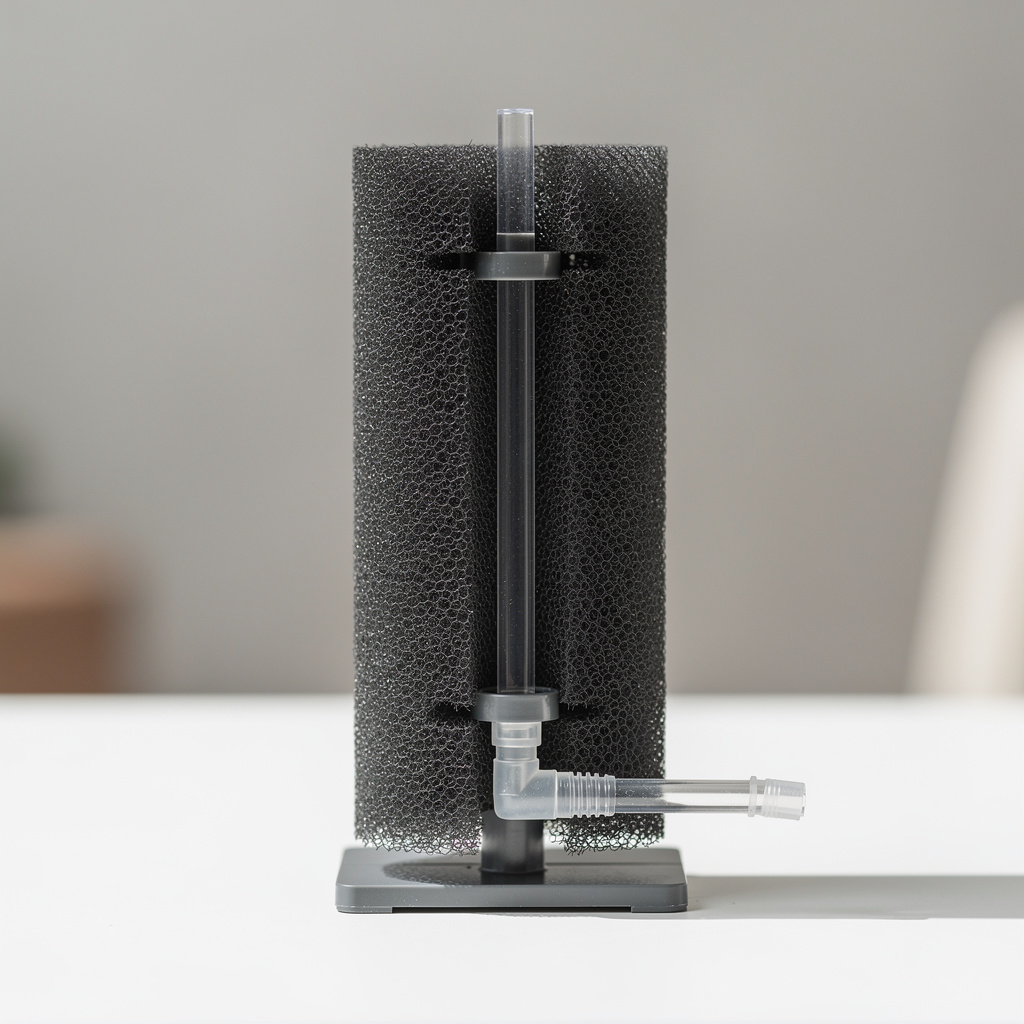
Aquarium sponge filters are one of the simplest ways to filter a tank, but picking the right one still takes a little care. The best match depends on tank size, stocking level, sponge shape, and the air pump that powers it. A filter that looks small on the shelf may be fine for a lightly stocked tank, while a busier tank may need more foam surface and stronger airflow to keep waste moving through the sponge.
These filters are popular because they are gentle, easy to rinse, and useful in setups where small fish need safer intake protection. That makes them a common choice for fry tanks, quarantine tanks, and tanks with slow-moving fish. They are also easy to understand: water is pulled through the foam, debris gets trapped, and helpful bacteria live on the sponge surface. The result is simple filtration without a lot of moving parts.
Still, not every sponge filter performs the same way. Sponge thickness, pore size, lift tube height, and air output all affect how much water moves and how often the sponge needs cleaning. If the filter is too weak, debris can sit in the tank instead of reaching the foam. If it is too strong, it may create more current than your fish like. The goal is a calm, steady setup that fits the tank instead of fighting it.
Key highlights
- Gentle flow for small tanks
- Safe intake for fry
- Easy rinse and reuse
- Needs matched air pump
How to choose (and common mistakes)
This section focuses on aquarium sponge filters.
Start with tank size, fish load, and the kind of fish you keep. A small, lightly stocked tank can often use a single sponge model, while a fuller tank may need larger foam or two sponges for better surface area. Check the lift tube height too, since taller tubes need stronger airflow to move water well. If the sponge looks large but the pump is weak, the filter may not circulate enough water.
Watch for common mistakes. One is choosing by tank size alone and ignoring stocking level. Another is buying a filter without checking pump output, airline fit, or whether the sponge can sit flat in the tank. Also avoid very fine foam if your tank loads up with waste fast, because it can clog sooner. A good buy is the one that matches your setup, not just the label on the box.
⚡ Quick Picks: Aquarium Sponge Filters
Three strong options to start with. Pick one that matches your goal, then jump to the guides below.

AQUANEAT Aquarium Sponge Filter 4-Pack
Includes four sponge filters suitable for tanks up to 60 gallons. Easy to set up by connecting an airline and air pump, and simple to clean by rinsing and squeezing in tank water.

ALEGI Aquarium Sponge Filter Pad
Made from high-quality sponge material, this filter pad offers durability and long-term stability. The sponge is resistant to wear and suitable for use in aquarium filtration systems.

AQUANEAT Bio Sponge Filter
This filter features a soft sponge material that traps floating debris. It is suitable for aquariums up to 60 gallons and designed to avoid sucking in fish.
Carefully selected Aquarium Sponge Filters tested for quality and value by PetGearAdvisor experts.
Related Topics
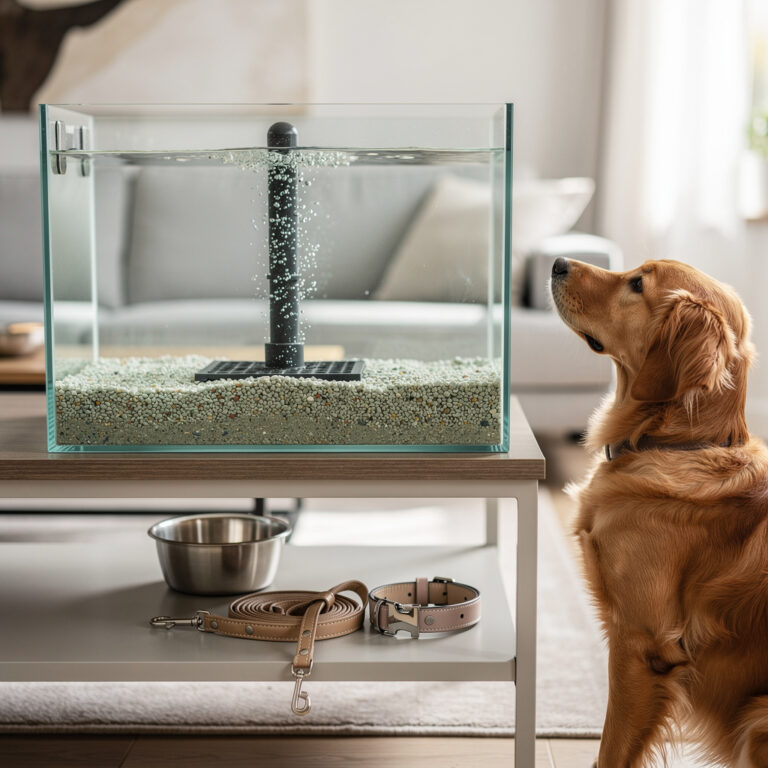
Aquarium Undergravel Filters
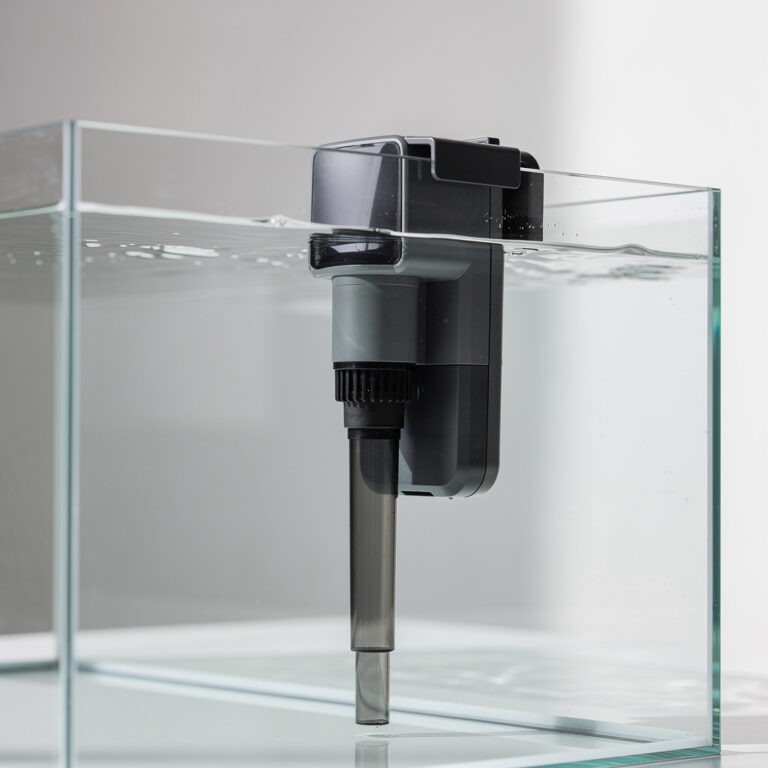
Aquarium Power Filters
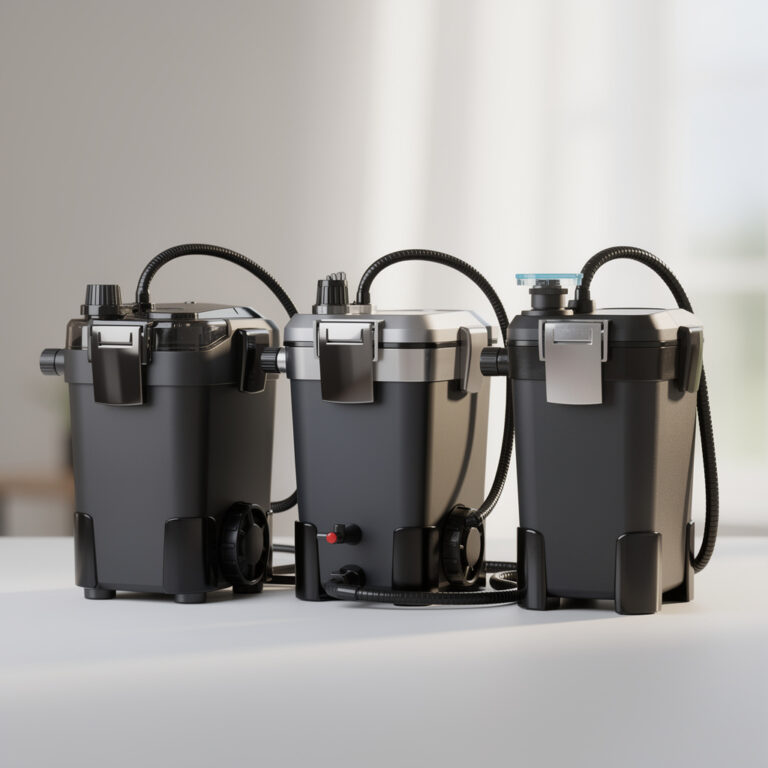
Aquarium Canister Filters
Latest Guides
-
Aquarium Co Op Easy Flow Sponge Filter: What Most Users Appreciate
Read the full guide →: Aquarium Co Op Easy Flow Sponge Filter: What Most Users AppreciateThe Aquarium Co Op Easy Flow Sponge Filter is designed to provide gentle and reliable filtration for freshwater aquariums, especially…
-
Diy Sponge Filter for Aquarium: What Most Hobbyists Actually Choose
Read the full guide →: Diy Sponge Filter for Aquarium: What Most Hobbyists Actually ChooseA DIY sponge filter for an aquarium is essentially a filtration system built by hobbyists using sponge filter media, tubing,…
-
Best Sponge Filter For Aquariums: 9 Quiet Options To Consider
Read the full guide →: Best Sponge Filter For Aquariums: 9 Quiet Options To ConsiderFor Sponge Filter For Aquariums (Quiet, Ultra), a few details make a big difference. Sponge filters for aquariums are designed…
How We Choose & Recommend
Short, practical guidance first—then product picks when you are ready.
- We compare features and real-world use cases for Aquarium Sponge Filters.
- We scan user feedback for patterns (not one-off opinions).
- We call out trade-offs so you can pick confidently.
FAQ
How does an aquarium sponge filter work?
An aquarium sponge filter draws water through foam with help from rising air in the lift tube. The sponge traps particles, and the foam also gives bacteria a place to grow on the surface. That makes it useful for both debris removal and steady tank conditions. Check sponge size, air flow, and where the filter sits in the tank.
What tank types are best for sponge filters?
They are a strong fit for small aquariums, fry tanks, and quarantine tanks where gentle movement matters. They also suit tanks with fish that do not like strong intake or fast current. For larger, busy tanks, one sponge may not be enough on its own. Match the setup to the fish load and tank layout.
How do I pick the right sponge filter size?
Use tank volume, stocking level, and waste output as your guide. A lightly stocked 10-gallon tank may do fine with a compact model, while a crowded tank may need a bigger sponge or two filters. Also check the lift tube height and the air pump rating. Compare those three details before you buy.
Do sponge filters need an air pump to run?
Yes, most sponge filters depend on an air pump to move water through the sponge and up the tube. If the pump is too weak, flow drops and the filter works poorly. Make sure the tubing fits snugly and the pump can handle the depth of the tank. Confirm pump output, tubing length, and valve setup.
How often should I clean a sponge filter?
Clean it when the flow slows or debris starts building up on the foam, not just by the calendar. Many tanks need a gentle rinse every one to three weeks, while heavier feeding may call for more frequent care. Squeeze the sponge in old tank water so you keep more of the helpful bacteria. Watch the flow, sponge color, and waste load.
What is the difference between coarse and fine sponge foam?
Coarse foam has larger openings, so water moves through it more easily and it clogs less quickly. Fine foam catches smaller particles but can slow down faster in tanks with lots of waste. Coarse foam often suits active or heavily fed tanks, while fine foam can work well in fry setups. Check debris load, cleaning habits, and current strength.
Related in this hub
🐾 Our Top 3 Aquarium Sponge Filters
AQUANEAT Aquarium Sponge Filter 4-Pack
Includes four sponge filters suitable for tanks up to 60 gallons. Easy to set up by connecting an airline and air pump, and simple to clean by rinsing and squeezing in tank water.
ALEGI Aquarium Sponge Filter Pad
Made from high-quality sponge material, this filter pad offers durability and long-term stability. The sponge is resistant to wear and suitable for use in aquarium filtration systems.
AQUANEAT Bio Sponge Filter
This filter features a soft sponge material that traps floating debris. It is suitable for aquariums up to 60 gallons and designed to avoid sucking in fish.
Carefully selected Aquarium Sponge Filters tested for quality and value by PetGearAdvisor experts.