
Aquarium Caves & Hiding Spots
Find the right hide for fish that need cover, space, and a simple tank layout.
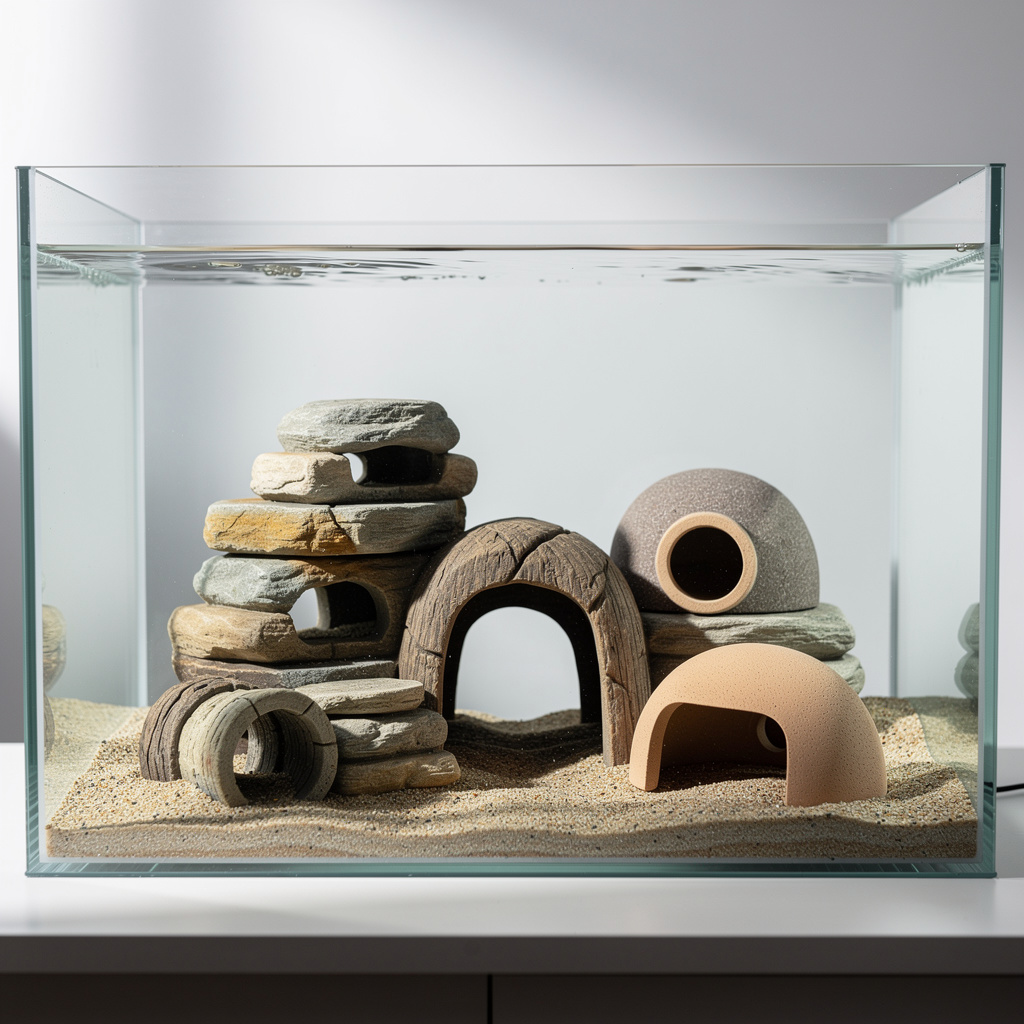
Last updated:
Quick answer
Aquarium caves and hiding spots are more than decor.
- Updated for 2026
- Source-backed comparisons
- Reader-first buying guides
- Transparent affiliate disclosure
Aquarium caves and hiding spots are more than decor. They give fish a place to rest, break up sight lines, and move out of view when they want space. In the right tank, these pieces can help fish feel more secure and make the layout easier to understand for both you and your fish.
The best choice depends on the fish you keep and how your tank is set up. A small cave may work for a single bottom-dweller, while a wider tunnel or stacked rock hide may suit larger fish or a pair that share space. The opening, depth, and base shape all matter. A hide that looks good but tips over, traps debris, or is too narrow can create more problems than it solves.
Pet owners often pick caves by looks alone, but fit and function come first. Check the opening size, internal room, and material before you buy. Think about where it will sit in the tank, how water will flow around it, and whether you can clean inside or around it without moving half the setup. The right hiding spot should blend into the tank, not complicate it. It should give fish cover, support natural behavior, and stay easy to manage during normal upkeep.
Key highlights
- Gives fish a place to retreat
- Breaks up tank sight lines
- Fits species, size, and habits
- Should be stable and easy to clean
How to choose (and common mistakes)
Start with the fish, not the decor. Bottom dwellers often need low, wide caves, while shy fish may prefer enclosed hides with one easy exit. Measure your fish at full adult size and leave room to turn around.
Check the entrance width, internal depth, and base stability. A hide that is too small can trap waste and stress fish, while one that is too open may not feel secure. Common mistakes include choosing sharp-edged pieces, blocking water flow, and packing too many hides into a small tank.
Also avoid hollow decor that shifts when touched. Pick materials that are smooth, easy to rinse, and safe for submerged use. If you keep more than one fish, make sure there are enough hiding spots to reduce crowding.
⚡ Quick Picks: Aquarium Caves & Hiding Spots
Three strong options to start with. Pick one that matches your goal, then jump to the guides below.

Ameliade Betta Fish Tank Rock Cave
Medium-sized hollow rock cave decoration for aquariums, providing a shelter-like structure for fish.

Ceramic Stackable Aquarium Cave
Made from ceramic material, this stackable fish tank decoration features a cave-like shelter design and may contribute to aquarium filtration.

Uniclife Resin Hollow Tree Trunk Ornament
A resin decoration shaped like a hollow tree trunk with detailed bark texture, suitable for small and medium fish tanks. It provides a natural-looking cave or hiding spot for fish such as bettas and guppies.
Carefully selected Aquarium Caves & Hiding Spots tested for quality and value by PetGearAdvisor experts.
Related Topics
Aquarium Backgrounds
Aquarium Rocks & Stones
Artificial Aquarium Plants
Latest Guides
New guides are on the way — check back soon.
How We Choose & Recommend
Short, practical guidance first—then product picks when you are ready.
- We compare features and real-world use cases for Aquarium Caves & Hiding Spots.
- We scan user feedback for patterns (not one-off opinions).
- We call out trade-offs so you can pick confidently.
FAQ
What size cave does my fish need?
Use your fish's adult size, not its current size, when you compare openings. The fish should enter and turn without rubbing the sides, and the inside should not feel cramped. For many small fish, a short tunnel or medium cave works well; larger bottom fish need a wider, lower opening. Check the entrance width and internal depth before you buy, then avoid sizing by guesswork.
Are open or enclosed hides better?
It depends on how the fish uses the space. Enclosed caves give stronger cover and are useful for shy fish or bottom dwellers that rest inside. Open hides, like arches or half logs, can work for fish that want a quick retreat but still like to watch the tank. Compare the opening size, the amount of cover, and how easy it is to clean around each style.
What materials are best for aquarium caves?
Look for aquarium-safe ceramic, resin, or natural materials sold for submerged use. These are common because they hold shape, stay stable, and are easy to rinse. Avoid anything with rough seams, peeling coatings, or sharp edges. Also check whether the piece is heavy enough to stay put and smooth enough not to catch fins. Before setup, inspect the surface and base closely.
How many hiding spots should I add?
Add enough hides so fish do not all crowd one spot. In a small tank, two or three well-placed options can be better than one large cave. In a larger tank, spread hides across different areas so fish can choose space away from each other. Pay attention to species behavior, tank size, and territory needs, then watch for competition during feeding and resting.
Where should I place a cave in the tank?
Place the cave on a stable section of the tank bottom where it will not shift when fish move around it. Many owners set hides near plants, rocks, or driftwood to create more cover. Leave space for water to pass around the piece and keep the entrance easy to reach during cleaning. Avoid tucking it so far back that debris builds up behind it.
How do I clean aquarium hiding spots?
Remove loose debris during regular maintenance and rinse the hide in old tank water if it needs a deeper clean. A soft brush helps on textured surfaces and inside corners. Skip soap and harsh cleaners, since residue can stay on the material. If the piece has narrow openings or trapped gravel, check it during each water change and clear buildup before it settles.
Related in this hub
🐾 Our Top 3 Aquarium Caves & Hiding Spots
Ameliade Betta Fish Tank Rock Cave
Medium-sized hollow rock cave decoration for aquariums, providing a shelter-like structure for fish.
Ceramic Stackable Aquarium Cave
Made from ceramic material, this stackable fish tank decoration features a cave-like shelter design and may contribute to aquarium filtration.
Uniclife Resin Hollow Tree Trunk Ornament
A resin decoration shaped like a hollow tree trunk with detailed bark texture, suitable for small and medium fish tanks. It provides a natural-looking cave or hiding spot for fish such as bettas and guppies.
Carefully selected Aquarium Caves & Hiding Spots tested for quality and value by PetGearAdvisor experts.