
Aquarium Reef Tanks
Choose a reef tank setup that fits your space, corals, and care routine.
Last updated:
Quick answer
Aquarium reef tanks are more than glass boxes with saltwater.
- Updated for 2026
- Source-backed comparisons
- Reader-first buying guides
- Transparent affiliate disclosure
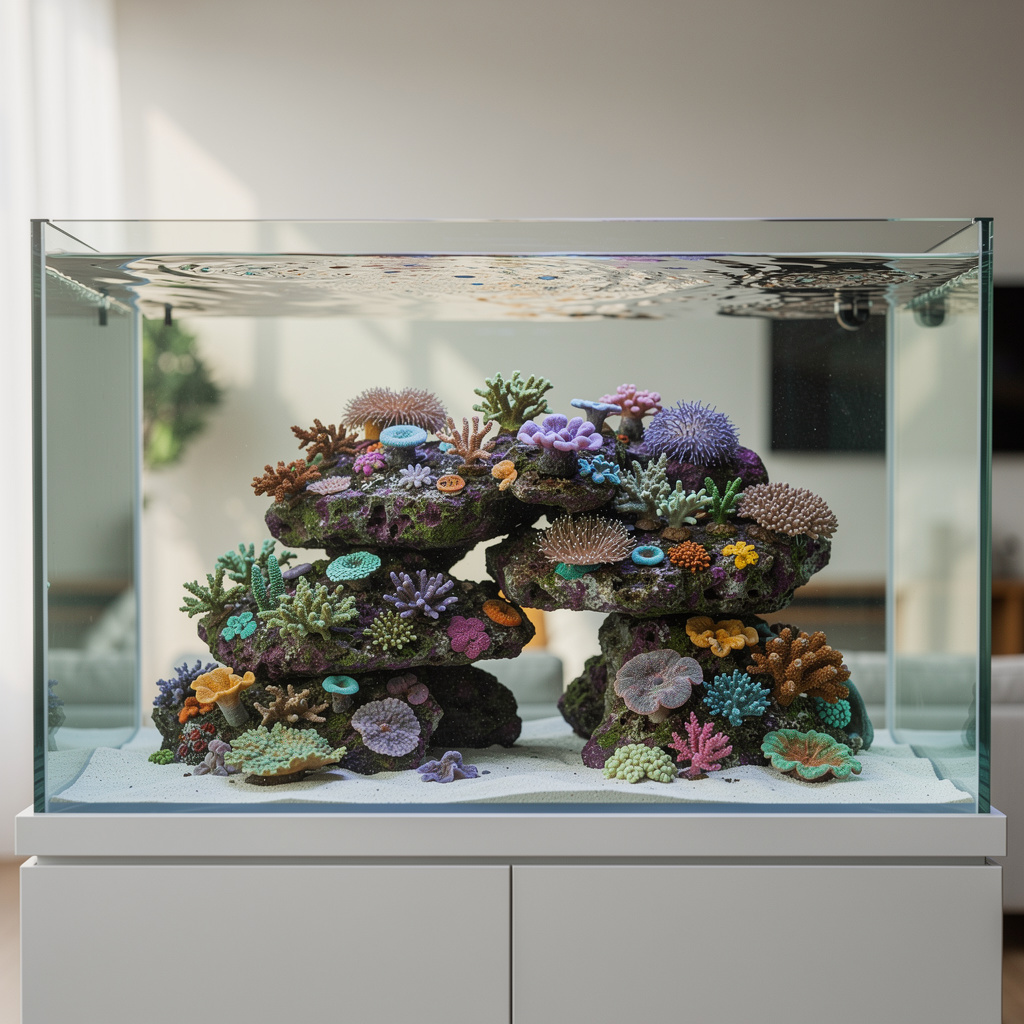
Aquarium reef tanks are more than glass boxes with saltwater. The tank shape, water volume, lighting, flow, and filtration all affect how easy the setup is to manage and what corals or fish it can support. A good choice starts with the basics: how much room you have, how often you want to clean, and which animals you actually plan to keep.
Many buyers focus on tank size first, but the footprint often matters more than the number on the label. A wider tank gives you more room for rock work, coral placement, and water movement. It can also make it easier to avoid dead spots where waste collects. Tall tanks may look dramatic, yet they often need stronger lighting to reach the bottom and can be harder to scape.
It also helps to think in systems, not parts. A reef tank usually works best when the stand, light, pump, heater, and filtration all match the tank’s dimensions and load. Some setups are built for simplicity, while others leave room for a sump, top-off gear, or extra media. The best reef tank is the one you can set up safely, maintain without strain, and keep stable as your livestock plan changes.
Key highlights
- Tank shape affects coral placement
- Lighting must match tank depth
- Flow helps prevent waste buildup
- Stable stands matter under saltwater weight
How to choose (and common mistakes)
This section focuses on aquarium reef tanks.
Start with the animals you want, then match the tank to them. Soft coral tanks may be easier to light and move water through than SPS-heavy layouts, while a deeper tank can demand more powerful lighting. Check the footprint, not just gallons, because a long, shallow tank gives better coral spacing than a narrow tall one. Make sure the stand can hold the full weight of water, rock, and equipment.
Plan for maintenance access too. Leave room to reach the back glass, change filters, and remove the light without shifting the whole tank. Common mistakes include buying a tank that is too tall for the chosen light, choosing a stand with no cord space, or skipping the path for plumbing and tubing. If you may add a sump, top-off system, or controller later, choose a tank and stand that leave extra room.
⚡ Quick Picks: Aquarium Reef Tanks
Three strong options to start with. Pick one that matches your goal, then jump to the guides below.

The Marine Reef Aquarium Book
A used book in good condition covering topics related to marine reef aquariums.

Saltwater Fish and Reef Tanks Guide
A comprehensive guide covering saltwater fish and reef tanks suitable for all experience levels, from beginner to expert.

Instant Ocean Reef Crystals Salt
Salt formulation for aquariums, designed for 50 gallons. Contains extra calcium and supports reef environments.
Carefully selected Aquarium Reef Tanks tested for quality and value by PetGearAdvisor experts.
Related Topics
Aquarium Nano Tanks

Acrylic Aquarium Tanks
Glass Aquarium Tanks
Latest Guides
New guides are on the way — check back soon.
How We Choose & Recommend
Short, practical guidance first—then product picks when you are ready.
- We compare features and real-world use cases for Aquarium Reef Tanks.
- We scan user feedback for patterns (not one-off opinions).
- We call out trade-offs so you can pick confidently.
FAQ
What tank shape is best for reef corals?
A wider rectangle usually works well because it gives you more coral placement zones and better flow across the rock work. Deep, narrow tanks can look sleek, but they often need stronger lighting to reach the bottom and may leave less room for pumps. If you want a simpler layout, compare footprint, depth, and access before you buy.
How important is tank depth for reef lighting?
Depth matters because light must reach corals after passing through water and glass. A shallow tank is easier to light evenly, while a taller one may need stronger fixtures or more careful mounting. Spread also matters, since bright centers can leave dim corners. Check the tank height, then match the fixture coverage to it.
Should I buy a reef tank with a sump setup?
A sump can give you extra water volume, a cleaner display, and space for heaters or mechanical filtration. It also makes it easier to hide equipment and add a protein skimmer. But it adds plumbing and more setup steps. If you want simpler maintenance, compare stand space, overflow style, and access first.
What stand features matter most for reef tanks?
A reef stand should be level, stiff, and built for the full load of water, rock, and glass. Look for open space for cords, tubing, and a possible sump, plus a front opening that lets you reach equipment easily. Avoid thin tops, warped panels, and doors that block service access. Check the weight rating and inside clearance.
How much flow do reef tanks usually need?
Reef tanks need enough movement to keep waste suspended and bring fresh water to corals. The right setup depends on the livestock mix, but most tanks do better with adjustable pumps than with one fixed outlet. Aim to avoid sand storms and dead corners at the same time. Watch coral movement, then adjust pump angle and speed.
What should I look for in a reef-ready tank kit?
A reef-ready kit should include overflow plumbing, room for a sump or filter gear, and lighting that fits the tank size. Check whether the stand has enough space for a skimmer, heater, or controller panel. Some kits look complete but still leave you short on cable management or access. Review every included part, then compare the missing pieces.
Related in this hub
🐾 Our Top 3 Aquarium Reef Tanks
The Marine Reef Aquarium Book
A used book in good condition covering topics related to marine reef aquariums.
Saltwater Fish and Reef Tanks Guide
A comprehensive guide covering saltwater fish and reef tanks suitable for all experience levels, from beginner to expert.
Instant Ocean Reef Crystals Salt
Salt formulation for aquariums, designed for 50 gallons. Contains extra calcium and supports reef environments.
Carefully selected Aquarium Reef Tanks tested for quality and value by PetGearAdvisor experts.