
Aquarium Water Testing Kits
Find the right kit for fast, clear tank checks.
Last updated:
Quick answer
Aquarium water testing kits help you see what is happening in your tank water before fish, plants, or filter problems get worse.
- Updated for 2026
- Source-backed comparisons
- Reader-first buying guides
- Transparent affiliate disclosure
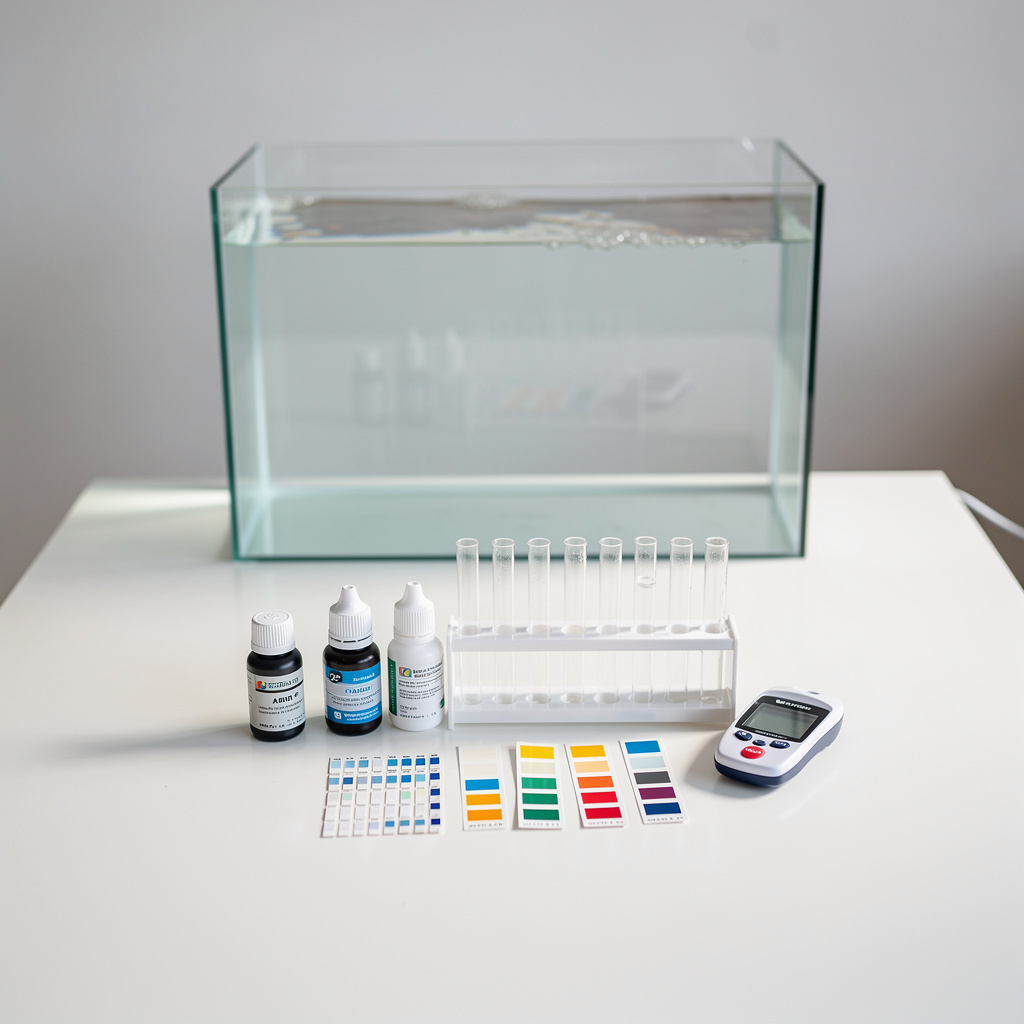
Aquarium water testing kits help you see what is happening in your tank water before fish, plants, or filter problems get worse. They are one of the most useful tools for keeping a home aquarium steady, because water can change faster than it looks. A good kit can show shifts in pH, ammonia, nitrite, nitrate, hardness, and chlorine so you can act with facts instead of guessing.
Not all kits work the same way. Some use liquid drops, some use test strips, and some are built into digital meters. Liquid kits are often read one test at a time and can be easier to compare by color. Strips are fast and simple, but they may be harder to read in dim light. Digital testers can be handy for some checks, but they still need proper care and calibration. The best choice depends on how often you test, how many tanks you keep, and how much detail you want.
If you are setting up a new tank, stocking new fish, or trying to solve cloudy water or algae growth, testing should be part of the routine. The goal is not just to collect numbers. It is to match your water test kit to the kind of tank you keep, the species inside it, and the amount of time you want to spend on maintenance. This sub-hub helps you compare aquarium water testing kits in plain language so you can choose a kit that fits your setup and keep your tank care simple and steady.
Key highlights
- Check key water levels fast
- Compare strips, drops, and meters
- Match tests to your tank
- Track changes before fish suffer
How to choose (and common mistakes)
Start with the tests your tank really needs. For most aquariums, ammonia, nitrite, nitrate, and pH matter most. If you keep saltwater or sensitive fish, you may also want salinity, KH, or GH checks. Choose a kit that covers those basics without making the process hard to repeat.
Look at how easy the results are to read. Clear color charts, full-size tubes, and simple instructions matter more than fancy claims. If you test often, buy a kit you will actually use. A common mistake is choosing a set with lots of tests but poor directions or tiny labels, which makes readings less useful.
Also think about your routine. New tanks and problem tanks need more frequent checks, so speed and accuracy both matter. If you want quick spot checks, strips may help. If you need tighter control, liquid kits are usually better. Avoid buying a kit that skips the basics just because it looks simple. Pick the one that fits your tank, your time, and your comfort with testing.
⚡ Quick Picks: Aquarium Water Testing Kits
Three strong options to start with. Pick one that matches your goal, then jump to the guides below.

API Freshwater Master Test Kit
A multi-colored test kit designed for freshwater aquarium water monitoring. Includes materials to conduct up to 800 tests.

AAwipes 8-in-1 Aquarium Test Kit
This test kit includes strips that measure pH, ammonia, alkalinity, hardness, chlorine, and other water parameters. It is suitable for use in freshwater aquariums and ponds.

11-in-1 Aquarium Test Strips Kit
This kit includes 150 test strips capable of 950 tests, an aquarium thermometer, and an ebook. It features 50 ammonia test strips and is suitable for testing various water parameters in fish tanks.
Carefully selected Aquarium Water Testing Kits tested for quality and value by PetGearAdvisor experts.
Related Topics
Aquarium Fish Nets
Aquarium Gravel Vacuums
Aquarium Algae Scrapers
Latest Guides
New guides are on the way — check back soon.
How We Choose & Recommend
Short, practical guidance first—then product picks when you are ready.
- We compare features and real-world use cases for Aquarium Water Testing Kits.
- We scan user feedback for patterns (not one-off opinions).
- We call out trade-offs so you can pick confidently.
FAQ
What should a basic aquarium water testing kit include?
A solid starter kit should cover ammonia, nitrite, nitrate, and pH. Those four tests tell you a lot about tank stability, filter activity, and waste buildup. For freshwater tanks, a liquid kit often gives clearer step-by-step results than a strip-only pack. If you keep fish in a new tank, make sure the kit also has easy-to-read color charts. Start with those four checks and build from there.
Are test strips or liquid kits better?
Test strips are faster and good for routine spot checks, while liquid kits usually give more careful readings. Strips can be easier for quick use, but they may be harder to judge if the colors are close. Liquid kits take more steps, yet they often help when you need better detail for ammonia or nitrite. Choose based on how often you test, then avoid assuming all fast tests are equal.
How often should I test aquarium water?
New tanks need more frequent testing, often every few days, because ammonia and nitrite can rise fast. Once a tank is stable, many owners test weekly or before major changes like adding fish or doing a large water change. If fish act unusual or water looks off, test right away. Keep the same schedule for each tank and do not wait for cloudy water.
Can one kit work for freshwater and saltwater tanks?
Some tests overlap, but many kits are made for one type of aquarium. Freshwater kits usually focus on pH, ammonia, nitrite, and nitrate, while saltwater setups may also need salinity or alkalinity checks. A freshwater-only kit may miss important saltwater readings. Check the label for tank type, then match it to your setup before you buy.
How do I get more accurate results?
Use clean tubes, follow the exact wait time, and read the chart in bright light. Shake reagents if the instructions say to, and store them upright in a cool, dry place. If a result looks strange, test again with fresh water from the same tank. Clean tools, correct timing, and steady storage help prevent avoidable mistakes.
What if my readings keep changing?
If numbers jump around, test at the same time of day and use the same method each time. Check whether your kit is old, the strips were exposed to moisture, or the liquid bottles were not mixed well. Compare results with tank changes like feeding, filter cleaning, or topping off water. Repeat the test once, then look for a cause before making changes.
Related in this hub
🐾 Our Top 3 Aquarium Water Testing Kits
API Freshwater Master Test Kit
A multi-colored test kit designed for freshwater aquarium water monitoring. Includes materials to conduct up to 800 tests.
AAwipes 8-in-1 Aquarium Test Kit
This test kit includes strips that measure pH, ammonia, alkalinity, hardness, chlorine, and other water parameters. It is suitable for use in freshwater aquariums and ponds.
11-in-1 Aquarium Test Strips Kit
This kit includes 150 test strips capable of 950 tests, an aquarium thermometer, and an ebook. It features 50 ammonia test strips and is suitable for testing various water parameters in fish tanks.
Carefully selected Aquarium Water Testing Kits tested for quality and value by PetGearAdvisor experts.