
PetGearAdvisor
Find the Cage That Fits Your Bird
This guide helps you compare avian cages by size, shape, and features. It gives you a simple way to choose a better fit for your bird and home.
- Updated for 2026
- Source-backed comparisons
- Reader-first buying guides
- Transparent affiliate disclosure
Last updated:
Choosing an avian cage is about more than finding a box with bars. The right cage helps your bird move, perch, eat, and rest in a space that matches its size and daily routine. It also makes cleaning, feeding, and handling much easier for you. A poor fit can feel cramped, awkward, or hard to use, even if the cage looks fine in photos.
This hub breaks down what matters most in plain language. You will see how to compare cage size, bar spacing, door layout, tray design, and extra features like feeder doors or rolling stands. We also point out common mistakes, such as buying by looks alone or choosing a shape that wastes usable space.
Pet owners often shop for bird cages based on the bird type, but the better approach is to match the cage to the bird’s body size, activity level, and home setup. A cage for a small parakeet is very different from one for a cockatiel, conure, or larger parrot. The goal is simple: help you narrow the options to a cage that feels practical day after day, not just on delivery day.
Use this page as a starting point for clear comparisons and quick checks. If you know what to measure, what to avoid, and which features truly help, the choice gets much easier.
What you’ll get here
- Clear size and spacing guidance
- Feature comparisons in plain language
- Common buying mistakes to avoid
How to start (simple plan)
This section focuses on avian cages.
Start with your bird’s size, not the cage photo. Measure your bird from head to tail and think about wing movement, perch length, and feeder access. Then compare bar spacing, cage width, and door size. A wider cage often works better than a tall one for many birds because it gives more room for perches, toys, and movement.
Next, check the parts you will use most. Look for a secure door, a removable tray, and a layout that lets you reach bowls without squeezing your hand through the bars. If the cage will sit in a busy room, a stand with wheels can help with cleaning and placement. Common mistakes include buying too small, ignoring bar spacing, and choosing a hard-to-clean design. A good cage should be easy to live with every day.
⚡ Quick Picks: Avian Cages
Three strong options to start with. Pick one that matches your goal, then jump to the guides below.

Wrought Iron Parrot Cage with Stand
This large bird cage measures 30.5''L x 29.5''W x 63''H including the stand, seed guard, and open play top. It features a wrought iron construction, rolling wheels, a metal seed guard, solid metal feeder, and a nest door.

DWVO 41-inch Metal Bird Cage
This 41-inch metal bird cage includes a rolling stand with four wheels, two of which have locks for stability and easy mobility.

Craftsboys Basic Parrot Cage
This 24.8-inch bird cage is made from painted metal and PP plastic, featuring a ladder, horizontal bar, two feeders, and a swing. The materials are lightweight and easy to clean, with metal that is chew-resistant.
Carefully selected Avian Cages tested for quality and value by PetGearAdvisor experts.
Choose Your Next Step
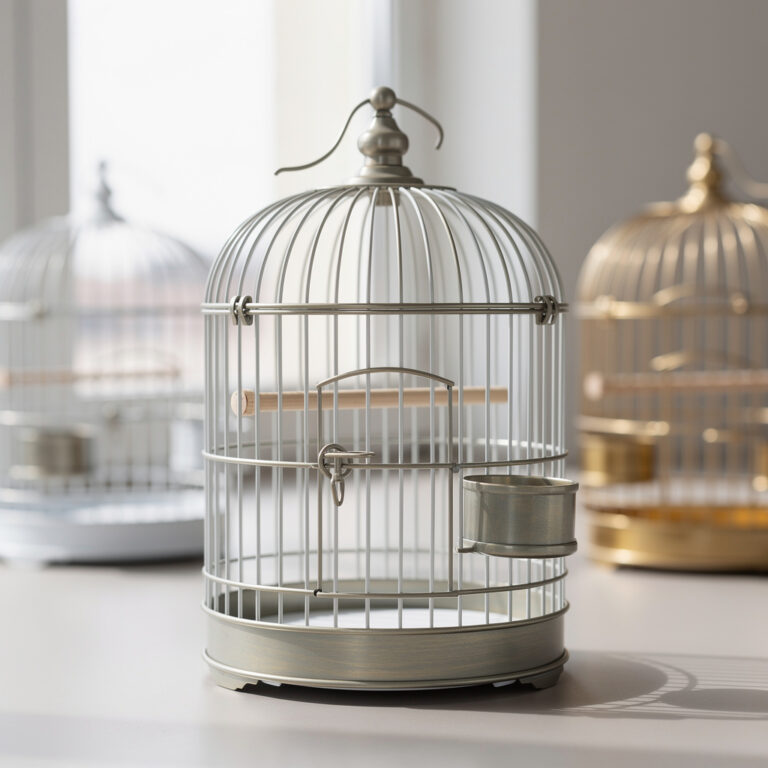
Small Bird Cages
Compare cages for budgies, finches, and other smaller birds.
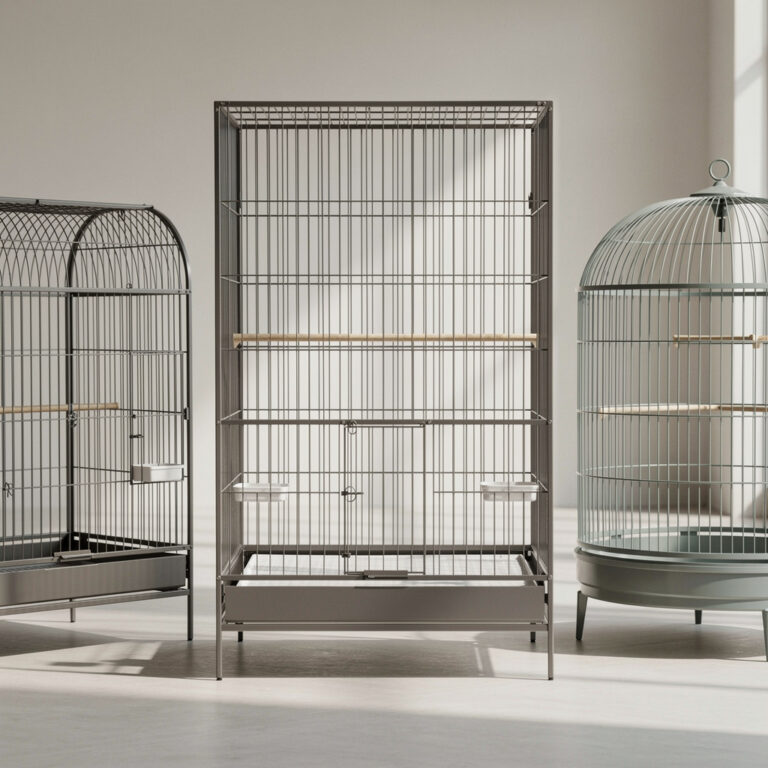
Large Bird Cages
See options made for bigger birds that need more room.
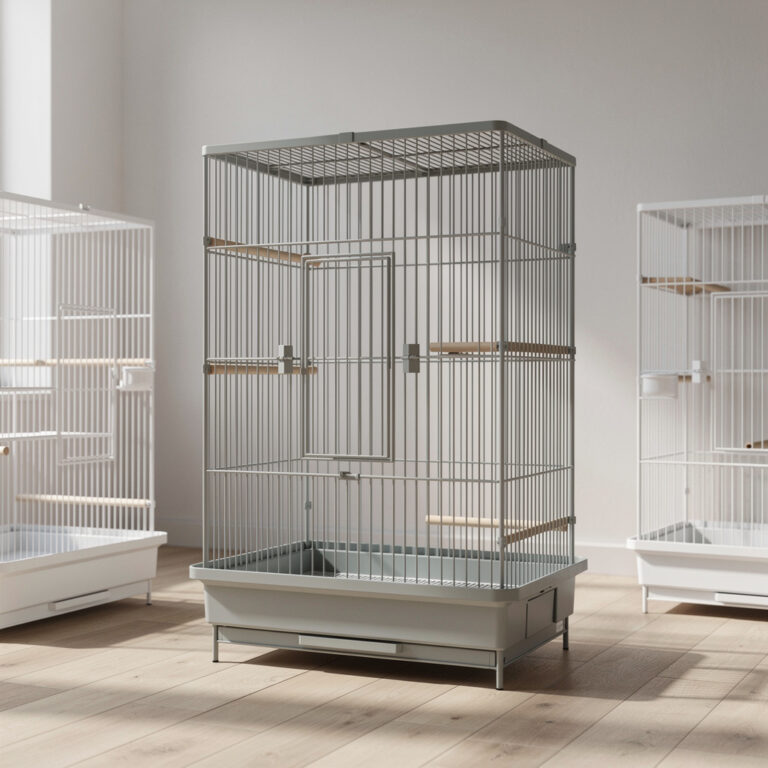
Aviary Cages
Find larger enclosures for birds that need more flight space.
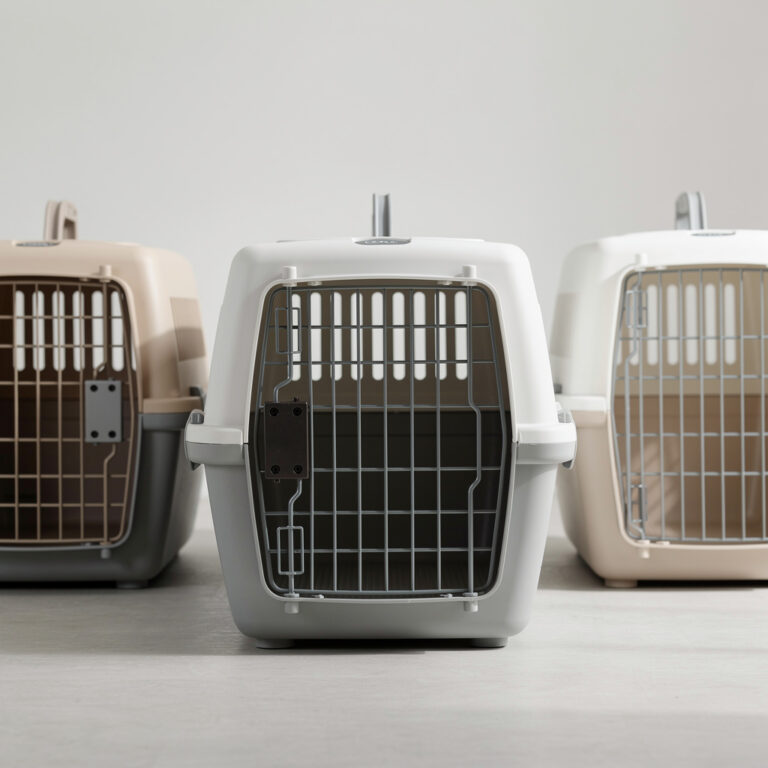
Travel Cages
Compare cages built for short trips and temporary use.
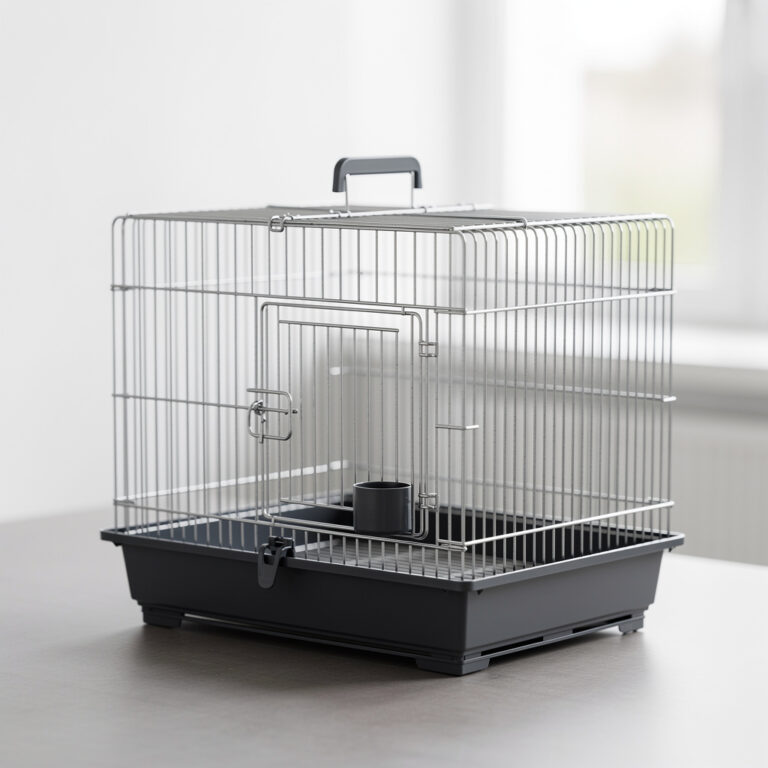
Avian Travel Cages
Review bird travel cage options by size, weight, and access.
Pick the Right Path Fast
- If you want: Compare cages for budgies, finches, and other smaller birds. Start with: Small Bird Cages →
- If you want: See options made for bigger birds that need more room. Start with: Large Bird Cages →
- If you want: Find larger enclosures for birds that need more flight space. Start with: Aviary Cages →
Latest Guides
New guides are on the way — check back soon.
How We Choose & Recommend
Short, practical guidance first—then product picks when you are ready.
- We compare features and real-world use cases for Avian Cages.
- We scan user feedback for patterns (not one-off opinions).
- We call out trade-offs so you can pick confidently.
FAQ
What makes an avian cage a good fit?
A good fit starts with your bird’s body size and daily movement. Check the bar spacing, inside width, and door size, then make sure there is room for at least two perches and food bowls. A cage that feels open and easy to access is usually better than one that only looks large from the outside.
How do I choose the right cage size?
Look at the bird’s full body length, wingspan, and how much time it spends inside the cage. A wider cage often works better than a tall one because it gives more side-to-side room for perches, toys, and feeder placement. Also leave enough space for a tray, grate, and easy hand access.
Which cage features matter most day to day?
The most useful features are a removable tray, secure door latches, feeder doors, and a layout that is easy to clean. Rounded corners are not as important as simple access to bowls, perches, and the bottom pan. A cage on a sturdy stand can also make room placement easier.
What are common cage buying mistakes?
Many buyers focus on color or shape first and size second. Other mistakes include bar spacing that is too wide, doors that are hard to open, and cages with awkward corners that waste space. It also helps to check whether replacement bowls and perches are easy to find before you buy.
How should I set up the inside of the cage?
Place perches so the bird can move without blocking food and water bowls. Keep one perch near the top for resting and another lower perch for easy access to feeders. Avoid crowding the middle with too many toys, since the bird still needs clear paths between the door, bowls, and resting spots.
How do I get the most value from a cage?
Choose a cage that fits your bird now and still leaves a little room to grow, if appropriate for the species. Value comes from easy cleaning, sturdy latches, and parts you can use every day, like feeder doors and a solid tray. A simple design that works well often proves more useful than extra decorations.
🐾 Our Top 3 Avian Cages
Wrought Iron Parrot Cage with Stand
This large bird cage measures 30.5''L x 29.5''W x 63''H including the stand, seed guard, and open play top. It features a wrought iron construction, rolling wheels, a metal seed guard, solid metal feeder, and a nest door.
DWVO 41-inch Metal Bird Cage
This 41-inch metal bird cage includes a rolling stand with four wheels, two of which have locks for stability and easy mobility.
Craftsboys Basic Parrot Cage
This 24.8-inch bird cage is made from painted metal and PP plastic, featuring a ladder, horizontal bar, two feeders, and a swing. The materials are lightweight and easy to clean, with metal that is chew-resistant.
Carefully selected Avian Cages tested for quality and value by PetGearAdvisor experts.