
Small Animal Terrarium Hides
Find hides that fit your pet, setup, and daily care.
Last updated:
Quick answer
Small animal terrarium hides are simple shelter pieces that help pets use their enclosure in a natural way.
- Updated for 2026
- Source-backed comparisons
- Reader-first buying guides
- Transparent affiliate disclosure
Small animal terrarium hides are simple shelter pieces that help pets use their enclosure in a natural way. For hamsters, gerbils, mice, leopard geckos, and other small pets, a hide can be a key part of the setup, giving them a place to rest, nest, and move out of view when they want space. The right hide should match the pet's body size, the floor space in the terrarium, and the way you clean and rearrange the habitat.
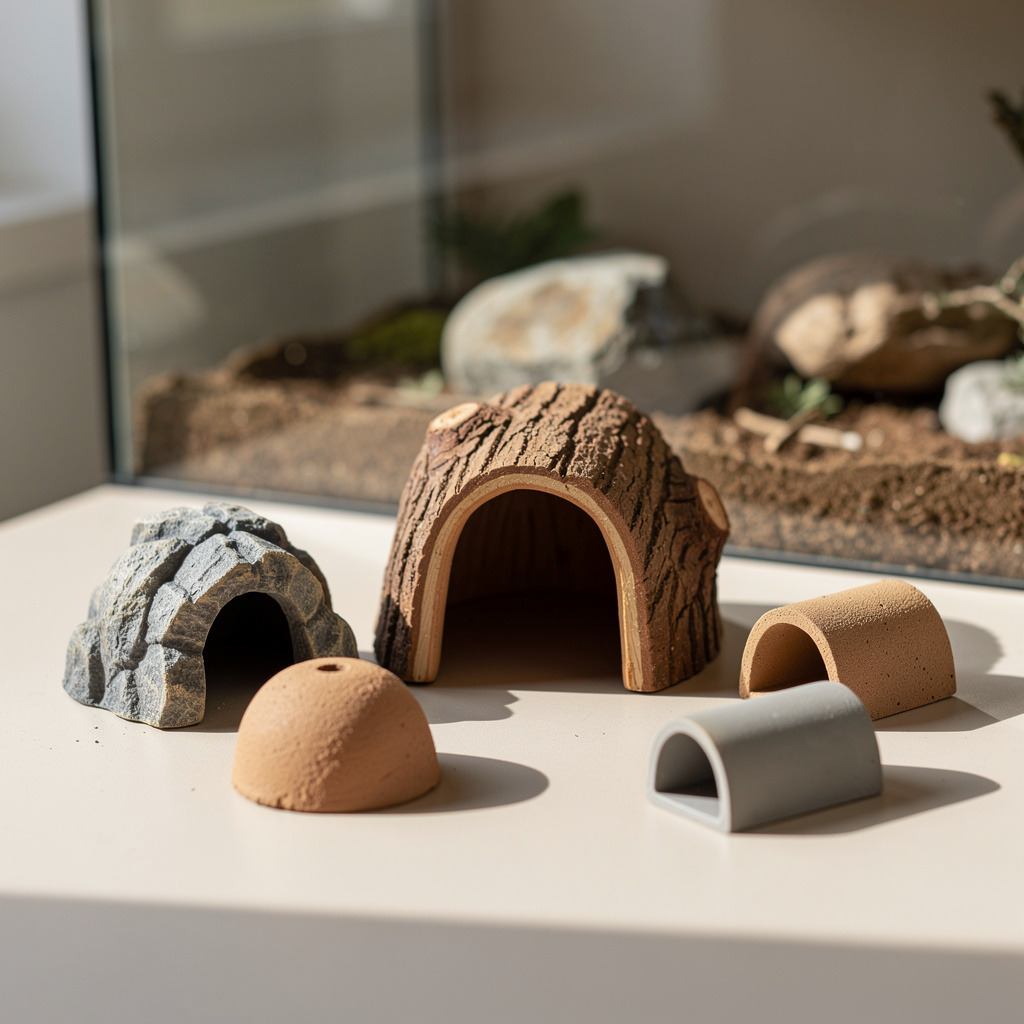
Not every hide works the same way. Some are low and open, while others are closed with one doorway. Some are made from wood, resin, cork, ceramic, or plastic. A good choice should be sturdy, easy to wipe or rinse, and shaped so your pet can enter without squeezing. It should also fit with the rest of the terrarium layout, including bedding depth, heat sources, and any climbing or digging areas.
This sub-hub helps you compare small animal terrarium hides in plain language. You can look at size, shape, material, airflow, and cleaning needs without sorting through product jargon. That makes it easier to pick a hide that works for daily use, stays in place, and suits your pet's habits as well as your setup.
Key highlights
- Fits snugly without crowding the enclosure
- Supports nesting and quiet rest
- Easy to clean and move
- Made from pet-safe materials
- Matches different species and setups
How to choose (and common mistakes)
Start with your pet's size and behavior. A hide should be wide enough for the animal to turn around, but not so large that it feels exposed. For burrowers, look for a low entrance and a shape that stays stable over bedding. For climbers or reptiles, check that the top is flat and the inside stays cool and shaded.
Material matters too. Ceramic and resin are easy to wipe clean and often stay put. Wood and cork can feel more natural, but they may need more care and can wear faster if they stay damp. Plastic is light and simple to rinse, but it may slide unless it has a secure base.
Common mistakes include choosing a hide that is too tall, too small, or hard to reach after the terrarium is set up. Another mistake is ignoring the entrance size. If the doorway is tight, a pet may avoid the hide. Also watch the footprint. A hide that looks fine online may take up too much floor space once bedding, dishes, and decor are in place.
⚡ Quick Picks: Small Animal Terrarium Hides
Three strong options to start with. Pick one that matches your goal, then jump to the guides below.

IMIKEYA Cork Bark Reptile Hides
Set of 4 natural wood cork bark pieces suitable for reptile hides and climbing. Ideal for terrariums, birdcages, and tanks, these pieces can be used for landscaping and water tube placement.

Betta Log Resin Hollow Tree Trunk Ornament
Set of two resin hollow tree trunk ornaments designed as hideouts for aquariums, terrariums, or reptile tanks. Suitable for fish, shrimp, small reptiles, scorpions, spiders, and hermit crabs to explore or rest.
Carefully selected Small Animal Terrarium Hides tested for quality and value by PetGearAdvisor experts.

Latest Guides
New guides are on the way — check back soon.
How We Choose & Recommend
Short, practical guidance first—then product picks when you are ready.
- We compare features and real-world use cases for Small Animal Terrarium Hides.
- We scan user feedback for patterns (not one-off opinions).
- We call out trade-offs so you can pick confidently.
FAQ
What size hide should I choose?
Pick a hide that lets your pet enter, turn, and rest without squeezing. Measure body width and length first, then compare that to the doorway and inner floor space. A hamster may need a smaller, snug chamber, while a larger gerbil or gecko may need a wider opening. If the hide looks tight once bedding is added, size up one step.
Which materials are easiest to clean?
Ceramic and resin are usually the easiest because you can wipe them down and remove dried debris fast. Plastic also rinses well, but it may shift if the base is light. Wood and cork can look natural, yet they may hold odor or wear if they stay damp. Check surface texture, wash access, and drying time before you buy.
How many hides should a terrarium have?
Many setups work better with more than one hide, especially if the pet uses different parts of the enclosure for resting and nesting. One hide can sit in a cooler area, and another can go near the main bedding zone. If you add more than one, make sure each still has open floor space around it. Avoid packing the tank so full that movement gets cramped.
Should the hide have one opening or more?
One opening can help some pets feel secure, while two openings can make it easier to move in and out without getting trapped. For species that like tunnels or burrows, dual-entry hides often work well. For shy pets, a single doorway may feel calmer. Look at your pet's habits and the enclosure layout, then choose the style that matches both.
Where should I place the hide?
Place it where your pet already spends time, but not where traffic, draft, or bright light will bother it. Many owners set one hide over the deeper bedding area and another near a quieter corner. Keep it away from water spill zones if the material can soak up moisture. After setup, watch where your pet goes and move it if needed.
How do I know if the hide fits the setup?
Check three things: the hide should not block the door or view, it should leave space for food and water items, and it should sit flat on the base. If you use deep bedding, the entrance still needs to stay open. If the hide shifts when your pet climbs on it, switch to a heavier model or add a flatter base.
Related in this hub
🐾 Our Top 2 Small Animal Terrarium Hides
IMIKEYA Cork Bark Reptile Hides
Set of 4 natural wood cork bark pieces suitable for reptile hides and climbing. Ideal for terrariums, birdcages, and tanks, these pieces can be used for landscaping and water tube placement.
Betta Log Resin Hollow Tree Trunk Ornament
Set of two resin hollow tree trunk ornaments designed as hideouts for aquariums, terrariums, or reptile tanks. Suitable for fish, shrimp, small reptiles, scorpions, spiders, and hermit crabs to explore or rest.
Carefully selected Small Animal Terrarium Hides tested for quality and value by PetGearAdvisor experts.