
Cat De-shedding Tools That Fit Your Cat
Compare brushes, rakes, and gloves by coat type, comfort, and cleanup.
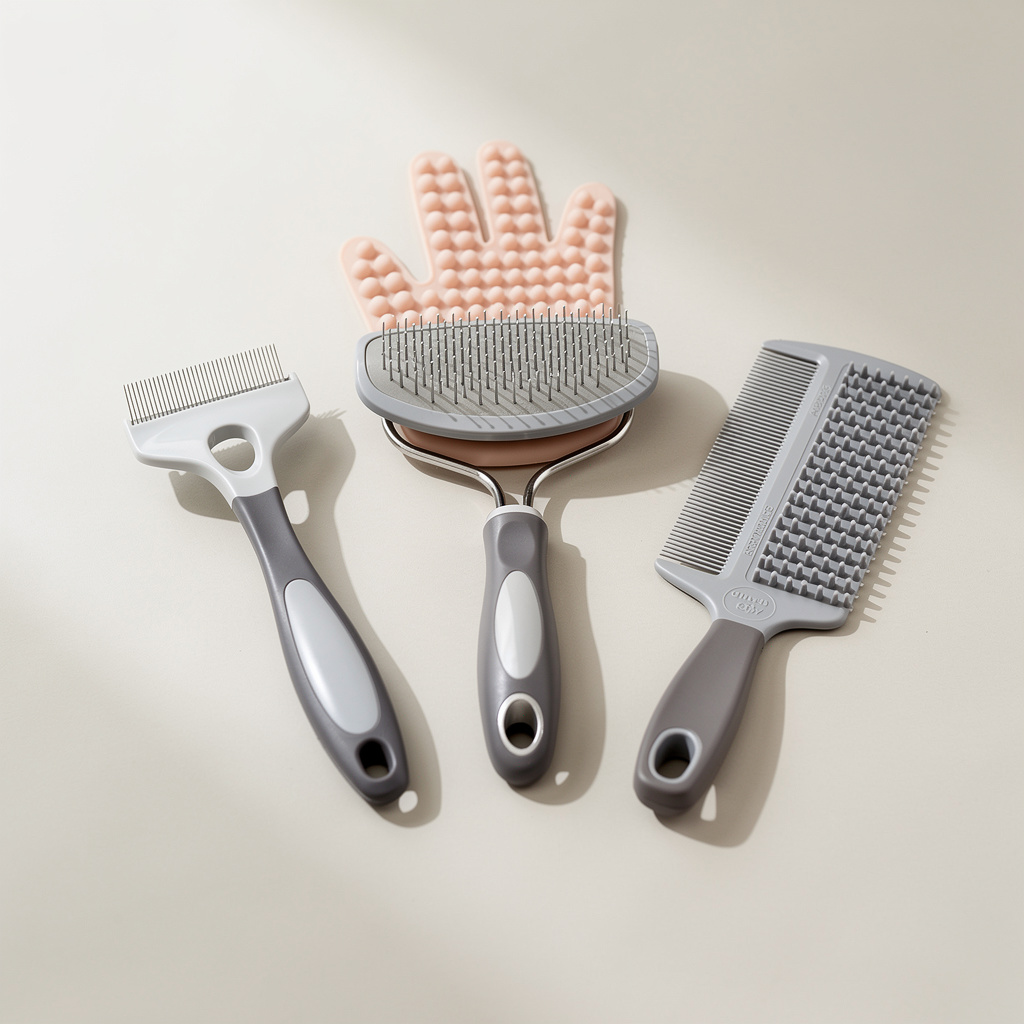
Last updated:
Quick answer
Cat de-shedding tools are not one-size-fits-all.
- Updated for 2026
- Source-backed comparisons
- Reader-first buying guides
- Transparent affiliate disclosure
Cat de-shedding tools are not one-size-fits-all. A short-haired cat with light seasonal shedding may do fine with a soft brush or grooming glove, while a long-haired cat or one with a dense undercoat may need a comb or rake-style tool that reaches deeper into the coat. The best tool is the one that removes loose fur without tugging, scraping, or turning grooming into a fight.
This sub-hub helps you sort out the main tool types, what each one does, and which features matter most in real use. That means looking at tooth length, edge shape, handle grip, and how easy the tool is to clean after each session. A good fit can make grooming quicker and calmer for both you and your cat.
We also focus on practical comparison points that show up in owner feedback and manufacturer details. Some tools are built for quick surface cleanup, while others are better for thicker coats, mats near the tail, or regular maintenance during heavy shedding. If you choose based on coat type and grooming tolerance first, you are less likely to buy a tool that is too rough, too small, or too hard to use.
Key highlights
- Match tool type to coat length
- Look for gentle tooth edges
- Check cleanup and fur release
- Choose a grip that feels steady
How to choose (and common mistakes)
Start with your cat’s coat. Short coats usually need a softer brush or glove, while medium and long coats often do better with a comb or rake that can reach loose fur deeper down. If your cat has a dense undercoat, look for spaced teeth that pull out shed fur without digging too hard.
Next, think about handling and comfort. A tool with a non-slip grip, rounded edges, and a head size that fits your cat’s body shape is easier to control. Small tools can be better for faces, legs, and the chest; wider heads work faster on the back and sides.
Common mistakes include buying the strongest-looking tool, ignoring tooth spacing, and choosing a design that is hard to clean. Another frequent miss is skipping your cat’s grooming tolerance. If your cat hates rough contact, start with a softer option and test a few strokes before you commit to a full session.
⚡ Quick Picks: Cat De-shedding Tools
Three strong options to start with. Pick one that matches your goal, then jump to the guides below.

SleekEZ Cat Deshedding Brush
This grooming tool is made in the USA and features a patented design for removing loose fur and undercoat from cats with short, medium, or long coats. It can also be used to clean hair from carpets, pet bedding, and cat trees.

FURminator Medium to Large Cat deShedding Tool
This grooming tool is designed for medium to large long-haired cats and features a blade that reaches through the topcoat to remove loose undercoat hair. It is intended to be used as directed to avoid cutting the skin or damaging the topcoat.

Pat Your Pet Double-Sided Deshedding Brush
This double-sided brush features rounded teeth intended to be gentle on your pet's skin. It is suitable for both long-haired and short-haired dogs and indoor cats.
Carefully selected Cat De-shedding Tools tested for quality and value by PetGearAdvisor experts.
Related Topics
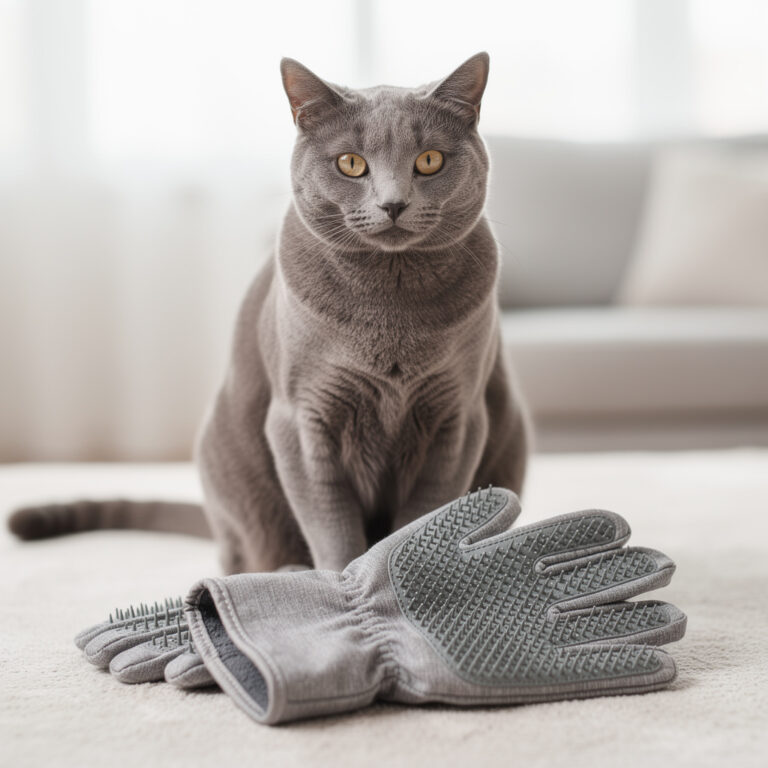
Cat Grooming Gloves
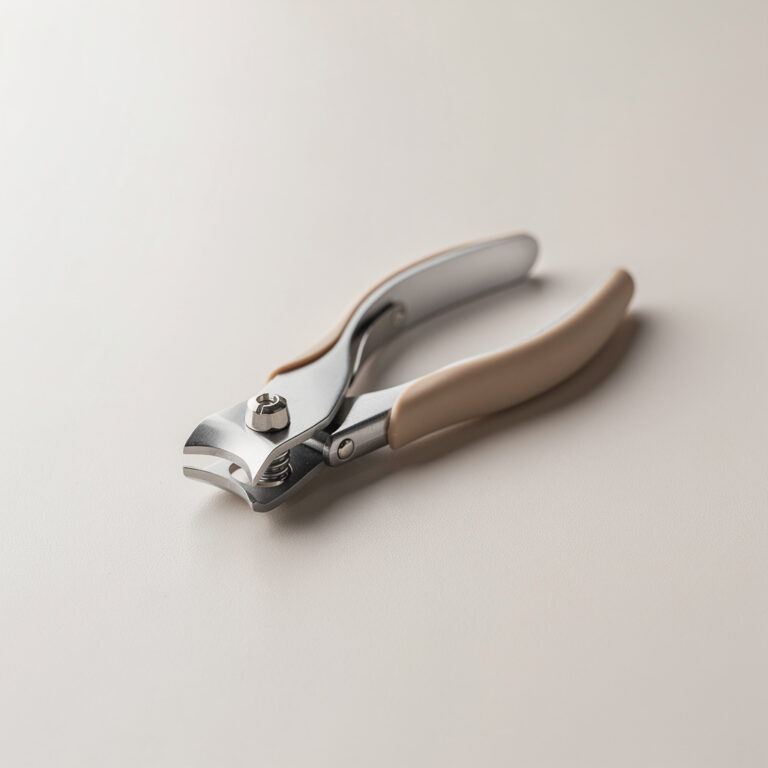
Cat Nail Clippers
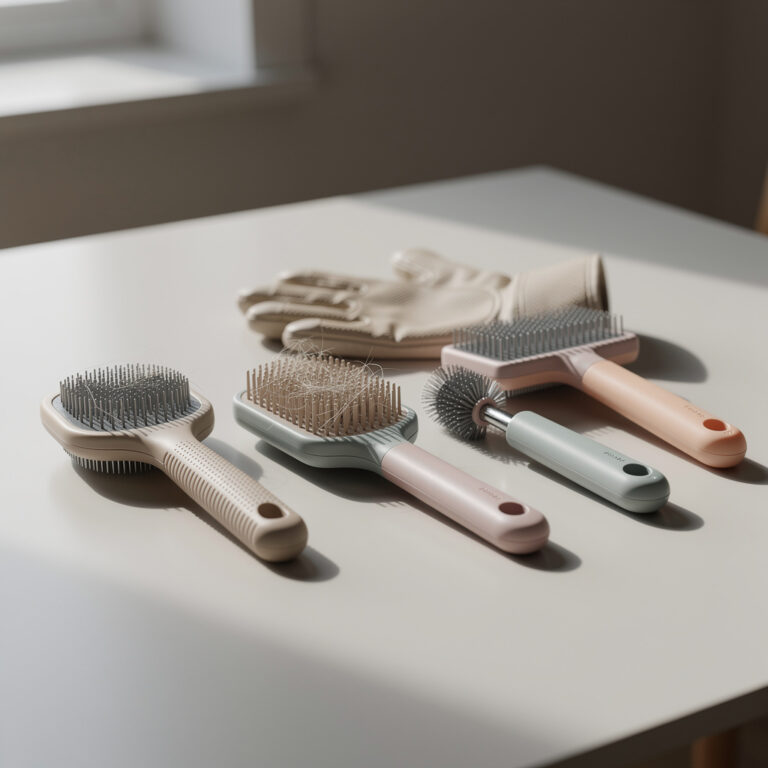
Cat Brushes
Latest Guides
New guides are on the way — check back soon.
How We Choose & Recommend
Short, practical guidance first—then product picks when you are ready.
- We compare features and real-world use cases for Cat De-shedding Tools.
- We scan user feedback for patterns (not one-off opinions).
- We call out trade-offs so you can pick confidently.
FAQ
Which cat de-shedding tool works for short-haired cats?
For short-haired cats, a soft brush or a gentle grooming glove often works best because it lifts loose topcoat fur without reaching too deep. Look for rounded contact points, a comfortable handle, and a head size that lets you cover the back and sides quickly. Avoid stiff teeth if your cat starts leaning away or tensing up. Start with a few strokes on the shoulders and see how the coat responds.
Do long-haired cats need a different tool?
Yes. Long-haired cats usually need a comb or rake-style tool that can move through longer strands and catch loose fur before it tangles. A wider brush can still help on the outer coat, but it may miss shed fur near the undercoat. Check tooth length, spacing, and whether the tool can reach through dense fur without snagging. Try it on one small section first.
How do I know if the tool is too rough?
Watch for pulling, sudden head turns, skin redness, or a cat that tries to leave after a few passes. A rough tool often has stiff teeth, sharp edges, or a head that is too dense for the coat. Gentle tools should glide without scratching. If your cat reacts fast on the first test area, switch to a softer option and avoid pressing harder.
What cleanup features matter most?
A good cleanup design saves time after each grooming session. Self-cleaning buttons, open teeth, and smooth fur-release channels are helpful because loose hair does not stay packed inside the head. Removable heads can also make washing easier if the tool collects dander and fine fluff. Check how fast the fur drops out before you buy, then pick the style that fits your routine.
Can I use one tool for multiple cats?
You can, but only when the coats are similar and both cats tolerate the same level of grooming. A tool that works on a sleek short coat may feel too strong on a fluffy cat with a dense undercoat. Clean the tool between cats so fur does not build up and dull the teeth. Compare coat type, hair length, and grooming comfort before sharing.
How often should I use a de-shedding tool?
Most cats do well with short grooming sessions a few times a week, while heavy shedders may need more regular use during seasonal coat changes. Keep the first sessions brief so your cat can adjust to the feel of the tool. Focus on high-shed areas like the back, sides, and tail base. Build a routine that stays calm instead of forcing long sessions.
Related in this hub
🐾 Our Top 3 Cat De-shedding Tools
SleekEZ Cat Deshedding Brush
This grooming tool is made in the USA and features a patented design for removing loose fur and undercoat from cats with short, medium, or long coats. It can also be used to clean hair from carpets, pet bedding, and cat trees.
FURminator Medium to Large Cat deShedding Tool
This grooming tool is designed for medium to large long-haired cats and features a blade that reaches through the topcoat to remove loose undercoat hair. It is intended to be used as directed to avoid cutting the skin or damaging the topcoat.
Pat Your Pet Double-Sided Deshedding Brush
This double-sided brush features rounded teeth intended to be gentle on your pet's skin. It is suitable for both long-haired and short-haired dogs and indoor cats.
Carefully selected Cat De-shedding Tools tested for quality and value by PetGearAdvisor experts.