
Small Animal Brushes Guide
Find a brush that fits your pet’s coat and grooming routine.
Last updated:
Quick answer
Small animal brushes are built for pets with smaller bodies, softer coats, and more delicate skin than most dogs.
- Updated for 2026
- Source-backed comparisons
- Reader-first buying guides
- Transparent affiliate disclosure
Small animal brushes are built for pets with smaller bodies, softer coats, and more delicate skin than most dogs. That means the right tool should feel gentle, be easy to control, and match the coat you are grooming. A brush that works on a long-haired rabbit may not suit a short-haired guinea pig, and a stiff brush can be too harsh for sensitive areas like the belly, ears, and legs.
When you shop for this kind of brush, think about the coat first. Some small pets shed lightly and only need a soft bristle brush for surface fur and dust. Others need a slicker-style brush, a pin brush, or a comb for longer hair and light tangles. Handle shape matters too. A small grip can make it easier to reach around curves, while a larger handle may feel better during longer grooming sessions.
PetGearAdvisor focuses on practical choices, so this sub-hub is meant to help you compare brush types without guesswork. We look at bristle softness, head size, spacing, and how easy each brush is to clean after use. We also keep an eye on real product details, since grooming tools can change in shape, materials, and availability over time. The goal is simple: help you pick a brush that fits your pet’s coat, your hand, and your regular routine.
Key highlights
- Match brush type to coat length
- Choose gentle bristles for sensitive skin
- Look for small, easy-grip handles
- Check head size before buying
- Pick tools that clean out fast
How to choose (and common mistakes)
This section focuses on small animal brushes.
Start with your pet’s coat. Short, smooth coats usually do well with soft bristles or a gentle rubber brush, while longer coats may need a pin brush or small slicker brush to lift loose fur. If the coat mats easily, look for a brush that can reach deeper without snagging too hard. The brush should be sized for your pet, not for a person’s hand alone.
Next, check the feel of the teeth or bristles. Fine, flexible bristles are usually safer for delicate skin. Wider spacing can help with fluffier coats and light shedding. Also look at the handle: a non-slip grip helps when your pet moves, and a compact head can make it easier to brush around tight spots.
Common mistakes include choosing a brush that is too stiff, too large, or meant for a different coat type. Another mistake is ignoring how easy the brush is to clean. Fur that clings to the head can slow you down and make the tool harder to use next time.
⚡ Quick Picks: Small Animal Brushes
Three strong options to start with. Pick one that matches your goal, then jump to the guides below.

Depets Self Cleaning Slicker Brush
This slicker brush features stainless steel needles with rounded beads and a self-cleaning mechanism to remove loose undercoat. It is suitable for pets with long or short hair and includes a massaging tool.
Silicone Rabbit Grooming Brushes, 2-Pack
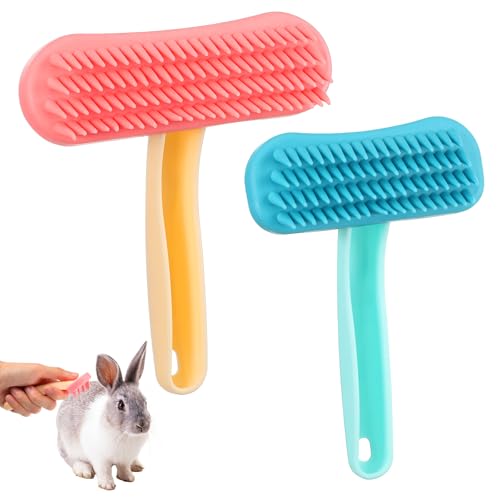
This set includes two small grooming brushes with soft silicone heads that glide through pet fur. The brushes are designed for easy use by pet owners.

Coastal Pet Li'l Pals Slicker Brush
A grooming brush with coated tips, sized at 3.25” x 7.25”, suitable for small dog breeds and puppies. It is designed to detangle fur and remove loose hair while smoothing the coat.
Carefully selected Small Animal Brushes tested for quality and value by PetGearAdvisor experts.
Latest Guides
New guides are on the way — check back soon.
How We Choose & Recommend
Short, practical guidance first—then product picks when you are ready.
- We compare features and real-world use cases for Small Animal Brushes.
- We scan user feedback for patterns (not one-off opinions).
- We call out trade-offs so you can pick confidently.
FAQ
What brush works best for a rabbit with long fur?
A small slicker brush or a pin brush often works best for long rabbit coats because it can lift loose fur and reach light tangles. Look for rounded tips, a compact head, and a handle that stays steady in your hand. Avoid wide brushes made for large dogs, since they can be hard to control around the face and legs. Check the coat near the rump and behind the ears first.
Are soft bristle brushes enough for guinea pigs?
For many guinea pigs with short, smooth coats, yes. A soft bristle brush can remove dust and loose surface hair without feeling rough. If the coat is thicker or sheds more than expected, a gentle rubber brush may help too. Keep the brush head small so it is easy to move around the shoulders and sides. Start with light strokes and watch how your pet reacts.
How do I brush a pet that hates grooming?
Use a brush with very soft bristles or flexible pins, then keep the first session short. Try brushing after your pet is calm and settled, and focus on one small area at a time, like the back or sides. A small head and non-slip handle help you stay gentle. If your pet squirms, stop before it becomes a struggle and try again later.
How often should small animal brushes be used?
That depends on coat type and shedding level. Short-haired pets may only need brushing once or twice a week, while long-haired pets often need more regular care to keep fur from tangling. A light daily check can help you catch knots early. Use the brush briefly, then inspect the coat for loose fur or debris.
What features matter most in a small animal brush?
The most useful features are a gentle bristle style, a small brush head, and a handle that feels secure in your hand. Rounded tips can help reduce scraping, and easy-clean heads save time after grooming. For fluffy or long coats, spacing between pins matters too. Pick the features that fit your pet’s coat, not just the brush shape.
How can I tell if a brush is too harsh?
Watch for flinching, skin redness, or hair pulling during use. A brush that feels scratchy on your fingertips is often too harsh for a small pet’s body. Try a softer tool with finer bristles or more flexible pins. Also check the belly, legs, and behind the ears, where skin is often more sensitive. Switch tools if the coat resists the brush.
🐾 Our Top 3 Small Animal Brushes
Depets Self Cleaning Slicker Brush
This slicker brush features stainless steel needles with rounded beads and a self-cleaning mechanism to remove loose undercoat. It is suitable for pets with long or short hair and includes a massaging tool.
Silicone Rabbit Grooming Brushes, 2-Pack
This set includes two small grooming brushes with soft silicone heads that glide through pet fur. The brushes are designed for easy use by pet owners.
Coastal Pet Li'l Pals Slicker Brush
A grooming brush with coated tips, sized at 3.25” x 7.25”, suitable for small dog breeds and puppies. It is designed to detangle fur and remove loose hair while smoothing the coat.
Carefully selected Small Animal Brushes tested for quality and value by PetGearAdvisor experts.