
Cat Brushes That Fit Your Cat
Compare brush types by coat, comfort, and daily grooming needs.
Last updated:
Quick answer
Cat brushes are not one-size-fits-all.
- Updated for 2026
- Source-backed comparisons
- Reader-first buying guides
- Transparent affiliate disclosure
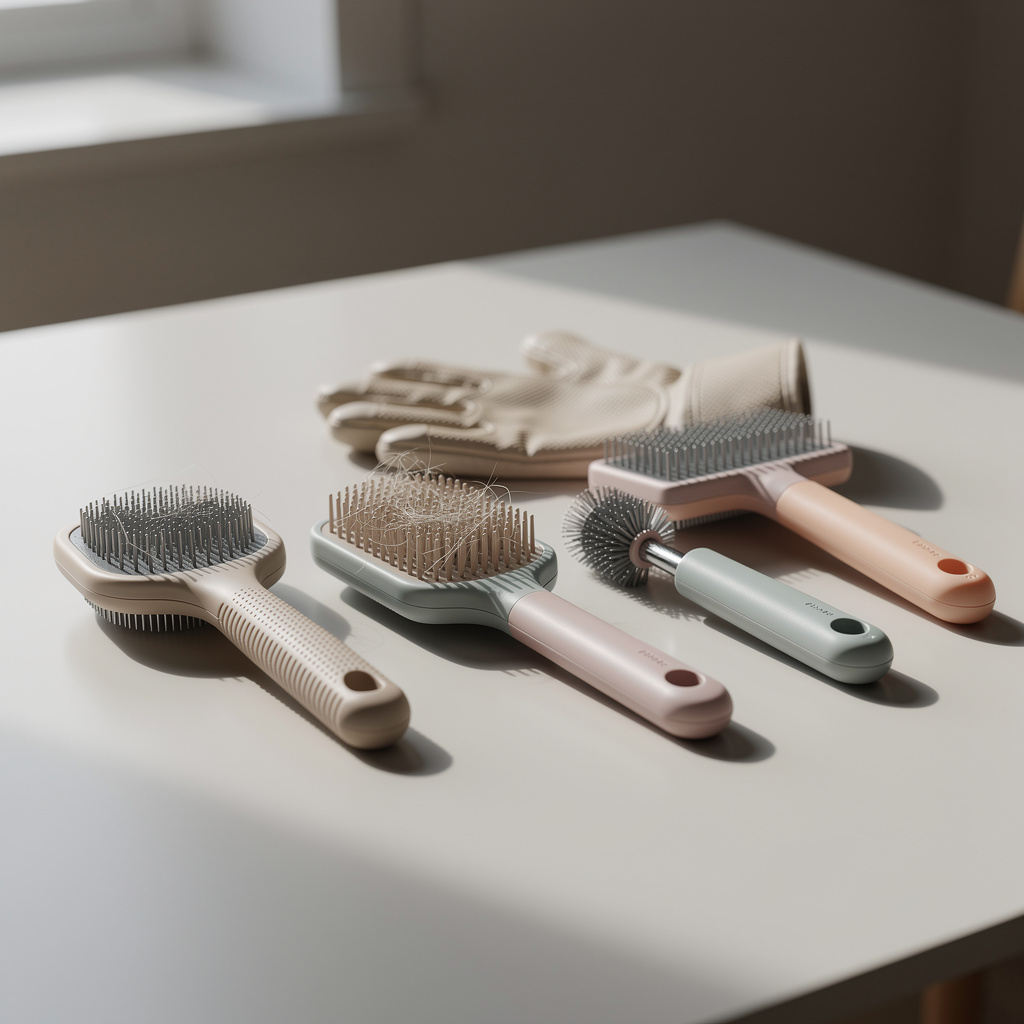
Cat brushes are not one-size-fits-all. A tool that works well on a short, smooth coat may barely reach a fluffy undercoat, while a strong de-shedding tool can feel too rough for a cat that prefers gentle contact. The best choice depends on your cat’s coat length, how much loose fur you see at home, and how calmly your cat lets you groom around the sides, belly, and tail.
This sub-hub helps you compare cat brushes in plain language, so you can match the tool to the job. Some brushes are made for light daily cleanup, some are better for knots and mats, and others are designed to grab extra fur during heavy shedding. The goal is not to buy the most aggressive brush. It is to find a brush your cat will tolerate and that you can use often enough to keep the coat in good shape.
You will also see how small details matter. Handle shape affects control. Pin length changes how deep the brush reaches. Easy-clean designs save time when fur fills up fast. If your cat dislikes grooming, the right brush can make a big difference because it feels smoother, lighter, and easier to finish in short sessions. PetGearAdvisor compares those details so you can choose with confidence and avoid tools that are too harsh, too large, or simply wrong for your cat’s coat.
Key highlights
- Match brush type to coat length
- Watch for easy-clean fur release
- Choose soft contact for sensitive cats
How to choose (and common mistakes)
Start with your cat’s coat. Short-haired cats usually need a gentler brush that gathers loose fur without scraping the skin, while long-haired cats often need a tool that can reach deeper and handle small tangles. If shedding is your biggest issue, look for a brush made to collect a lot of fur without clogging quickly.
Next, think about comfort and control. A handle that fits your hand helps you make short, steady passes, especially around the neck, belly, and back legs. Check the brush head size too; a large head can be awkward on a small cat, and a tiny head may take too long on a bigger coat.
Common mistakes include buying a brush only because it is popular, picking stiff teeth for a cat that hates grooming, and ignoring how hard the tool is to clean. Also avoid starting with long sessions. A better brush can still fail if the cat learns to dislike it. Test it on a calm day, use a few light strokes, and watch how your cat responds.
⚡ Quick Picks: Cat Brushes
Three strong options to start with. Pick one that matches your goal, then jump to the guides below.
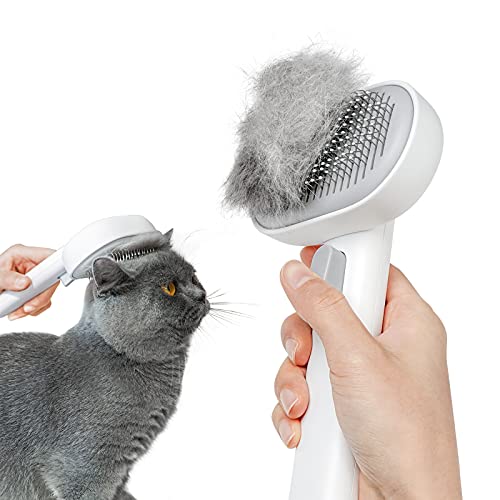
Aumuca Cat Grooming Brush
This cat brush features metal pins with round rubber tips and a release button. It is suitable for indoor cats with long or short hair and can also be used for kittens and rabbits.

Depets Self Cleaning Slicker Brush
This slicker brush features stainless steel needles with rounded beads and a self-cleaning mechanism to remove loose undercoat. It is suitable for pets with long or short hair and includes a massaging tool.

Cat Brush with Soft Tip Bristles
This cat brush features soft tip bristles that help break up tangles and mats. It is designed to provide a gentle massaging effect during grooming.
Carefully selected Cat Brushes tested for quality and value by PetGearAdvisor experts.
Related Topics
Cat De-shedding Tools
Cat Grooming Gloves
Cat Nail Clippers
Latest Guides
New guides are on the way — check back soon.
How We Choose & Recommend
Short, practical guidance first—then product picks when you are ready.
- We compare features and real-world use cases for Cat Brushes.
- We scan user feedback for patterns (not one-off opinions).
- We call out trade-offs so you can pick confidently.
FAQ
Which cat brush is best for a short coat?
A soft rubber brush or a gentle bristle brush usually fits a short coat best. Both can pick up loose surface fur without digging too deep, and they are easier to use on the back, sides, and neck. Look for rounded contact points and a grip that stays steady in your hand. Start with a few strokes and see how your cat reacts.
What should I use for a long-haired cat?
Long-haired cats often do better with two tools: a pin brush for everyday grooming and a comb or slicker brush for small knots. Focus on the chest, belly, behind the ears, and the back legs, where tangles often start. Check whether the teeth reach through the coat without snagging. Work in short sections and avoid pulling through a knot.
How do I compare brushes for heavy shedding?
Look for a brush that collects fur fast and clears out easily, since clogged teeth slow you down. De-shedding tools and some slicker brushes can help with thicker coats, while rubber brushes may be better for lighter cleanup. Check the amount of fur the brush holds after a few passes and how quickly you can empty it. Test cleanup before settling on one.
What handle features matter most on cat brushes?
A good handle should feel secure, even if your hand is damp or you are brushing a moving cat. Padded grips and curved shapes can help during longer sessions, while a slim handle may be easier for small hands. Also check the brush head size, because a large head can be hard to control near the face and legs. Hold it before you buy if possible.
How can I tell if a brush feels too rough?
If your cat leans away, twitches the skin, or stops staying relaxed after a few passes, the brush may be too stiff. Sharp wire ends, hard edges, or teeth that seem too long for the coat can all cause problems. Softer materials and shorter sessions often work better for sensitive cats. Stop early rather than forcing more strokes.
How often should I brush my cat?
Most cats do best with short, regular sessions instead of one long grooming event. Short-haired cats may need only occasional cleanup, while long-haired or heavy-shedding cats often need more frequent brushing. Watch for fur on furniture, loose hair near the collar area, or tiny tangles forming. Set a simple routine you can keep, then adjust if the coat changes.
Related in this hub
🐾 Our Top 3 Cat Brushes
Aumuca Cat Grooming Brush
This cat brush features metal pins with round rubber tips and a release button. It is suitable for indoor cats with long or short hair and can also be used for kittens and rabbits.
Depets Self Cleaning Slicker Brush
This slicker brush features stainless steel needles with rounded beads and a self-cleaning mechanism to remove loose undercoat. It is suitable for pets with long or short hair and includes a massaging tool.
Cat Brush with Soft Tip Bristles
This cat brush features soft tip bristles that help break up tangles and mats. It is designed to provide a gentle massaging effect during grooming.
Carefully selected Cat Brushes tested for quality and value by PetGearAdvisor experts.