
PetGearAdvisor
Choose grooming tools your dog can handle
Learn which brushes, clippers, and nail tools fit common coat types. Find a simple path that makes home grooming easier for both of you.
- Updated for 2026
- Source-backed comparisons
- Reader-first buying guides
- Transparent affiliate disclosure
Last updated:
Dog grooming tools are easier to choose when you start with the job you need to do, not the biggest kit on the shelf. Some dogs only need quick coat care and nail trims. Others need tools that can handle thick fur, face hair, paw pads, or regular shedding.
The best grooming setup is usually small and practical. A short-coated dog may do fine with a basic brush, a comb, and a nail tool. A curly-coated or long-coated dog may need a slicker brush, a metal comb, and clippers with guard combs for safe trimming around problem spots.
This hub helps you compare dog grooming tools in plain language. You will see what each tool is for, what details matter most, and where owners often go wrong when they buy too much or pick the wrong type. The goal is simple: choose gear that matches your dog’s coat, your hand comfort, and the kind of grooming you actually do at home.
Because dogs vary so much, no single tool set works for every coat. A good brush should move through the coat without snagging. Clippers should feel manageable for light touch-ups. Nail tools should fit your dog’s nail size and your own grip. When you know those basics, shopping becomes much less confusing.
What you’ll get here
- Tool picks by coat type
- Simple home grooming basics
- What features matter most
- Common buying mistakes to avoid
How to start (simple plan)
Start with the work your dog needs most. For many homes, that means a brush for loose hair, a comb for checking tangles, and a nail tool for regular trims. Add clippers only if you plan to trim paw hair, face hair, or sanitary areas. Pick one or two tools that solve real problems instead of buying a large set you may not use.
Match the brush to the coat. Slicker brushes suit many medium and long coats. Bristle brushes are often better for short coats and quick cleanup. A metal comb helps find hidden knots after brushing. For nails, choose trimmers or a grinder that feels steady in your hand and fits the nail thickness.
The most common mistakes are buying by looks, using the wrong tool on mats, and rushing through sensitive areas. If the coat is tangled, work in small sections. If a tool pulls, stop and switch. A calmer, simpler setup usually gives better results than a crowded grooming bag.
⚡ Quick Picks: Dog Grooming Tools
Three strong options to start with. Pick one that matches your goal, then jump to the guides below.

Maxpower Planet Dog Grooming Rake
This grooming rake features sharpened yet finely rounded teeth, designed for use on dogs and cats to help manage undercoat and shedding.

4-in-1 Dog & Cat Grooming Scissors Kit
This grooming kit includes straight, curved, and thinning scissors, all featuring rounded safety tips to reduce the risk of poking your pet's skin. The set also comes with a comb and a silencer between the handles for quieter use.

Docrok Pet Grooming Combo Brush and Comb
This grooming set includes a blue deshedding brush with soft, protective edges and a metal comb for detangling and dematting long fur on cats and dogs. The design aims to provide comfort while grooming.
Carefully selected Dog Grooming Tools tested for quality and value by PetGearAdvisor experts.
Choose Your Next Step
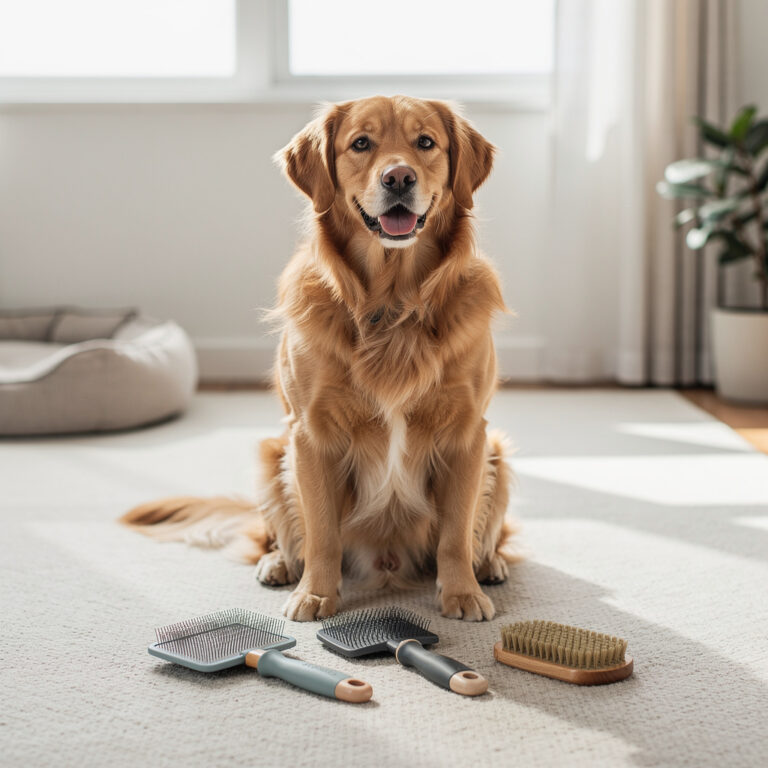
Brushes for daily coat care
Compare slicker, bristle, pin, and deshedding styles for different coats.
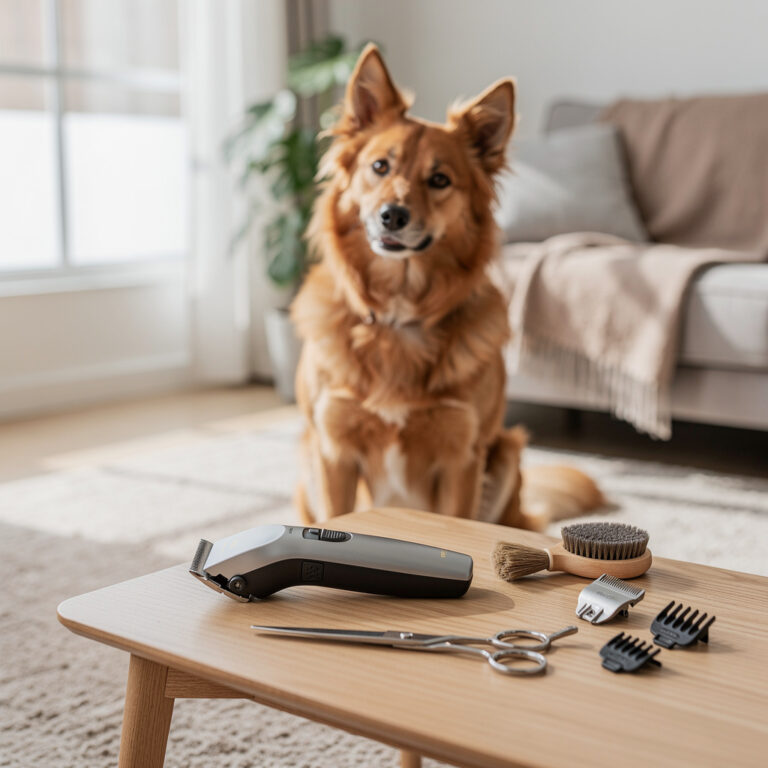
Dog clippers for small trims
Review clipper blade sizes, noise levels, and guard comb options.
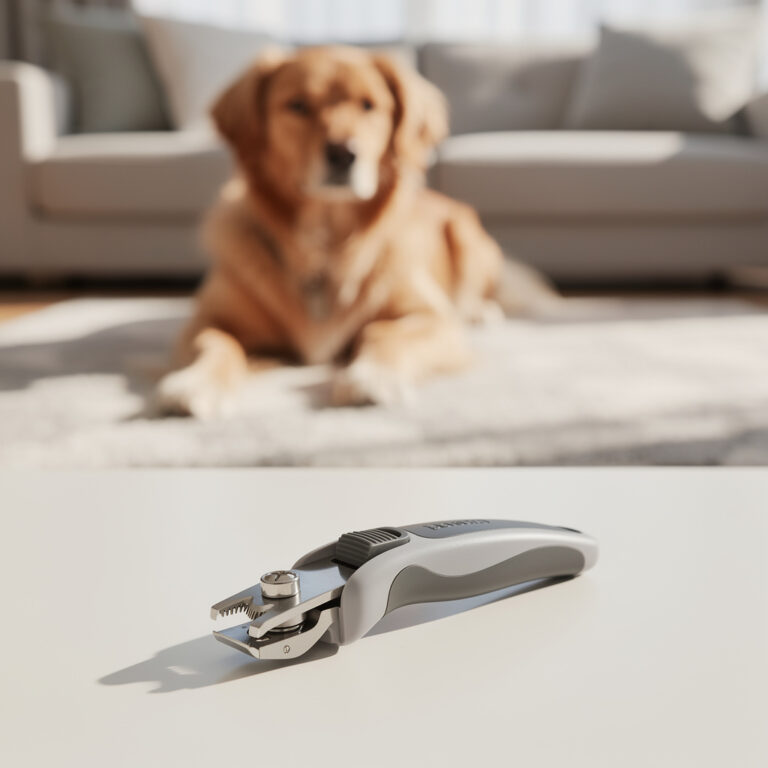
Nail trimmers and grinders
Choose a nail tool that fits your dog’s nail size and handling comfort.
Pick the Right Path Fast
- If you want: Compare slicker, bristle, pin, and deshedding styles for different coats. Start with: Brushes for daily coat care →
- If you want: Review clipper blade sizes, noise levels, and guard comb options. Start with: Dog clippers for small trims →
- If you want: Choose a nail tool that fits your dog’s nail size and handling comfort. Start with: Nail trimmers and grinders →
Latest Guides
New guides are on the way — check back soon.
How We Choose & Recommend
Short, practical guidance first—then product picks when you are ready.
- We compare features and real-world use cases for Dog Grooming Tools.
- We scan user feedback for patterns (not one-off opinions).
- We call out trade-offs so you can pick confidently.
FAQ
What grooming tools do most dogs need at home?
Most dogs do well with a simple starter set: one brush, one comb, and one nail tool. A short-coated dog may only need a bristle brush and nail trimmers, while a thick or long coat often calls for a slicker brush plus a metal comb. Add clippers only if you plan to tidy paw hair or small trim areas.
How do I choose the right brush for my dog’s coat?
Begin with coat length, shedding level, and how easily the coat tangles. Slicker brushes are a common fit for many medium and long coats, while bristle brushes are useful for short coats and quick cleanups. For dense undercoats, look for a tool that can reach deeper hair without scraping the skin.
What should I look for when comparing dog clippers?
Focus on blade size, noise, and how steady the clipper feels in your hand. Smaller blades and guard combs help around paw pads, face hair, and sanitary areas. If your dog startles at sound or vibration, a quieter model with a smoother feel can make trim time less stressful.
When is a nail grinder better than trimmers?
A grinder can be a good choice if your dog has thick nails, sharp edges after clipping, or dislikes the snap of a clipper cut. It lets you take off tiny amounts and smooth the edge as you go. Many owners keep trimmers for the first cut and a grinder for finishing.
Which tools help most during heavy shedding seasons?
A deshedding tool, a slicker brush, and a comb make a strong set for many shedding dogs. The brush loosens surface hair, the deshedding tool reaches more of the undercoat, and the comb helps find hidden spots near the ears and legs. Use gentle passes so the tools glide instead of tug.
How can I avoid common home-grooming mistakes?
Do not force a brush through mats or use clippers too close near ears, paws, or the tail. Pick tools that fit the coat instead of buying the biggest kit. Clean hair from blades often, check the comb for missed knots, and keep each session short enough that your dog stays calm.
How do I build a simple starter grooming kit?
Start with one brush, one comb, and one nail tool that fit your dog’s coat and nail size. Add clippers later if you need small trims on paw hair, face hair, or clean-up areas. A compact kit usually gets used more often than a drawer full of extras, and that keeps grooming easier to manage.
🐾 Our Top 3 Dog Grooming Tools
Maxpower Planet Dog Grooming Rake
This grooming rake features sharpened yet finely rounded teeth, designed for use on dogs and cats to help manage undercoat and shedding.
4-in-1 Dog & Cat Grooming Scissors Kit
This grooming kit includes straight, curved, and thinning scissors, all featuring rounded safety tips to reduce the risk of poking your pet's skin. The set also comes with a comb and a silencer between the handles for quieter use.
Docrok Pet Grooming Combo Brush and Comb
This grooming set includes a blue deshedding brush with soft, protective edges and a metal comb for detangling and dematting long fur on cats and dogs. The design aims to provide comfort while grooming.
Carefully selected Dog Grooming Tools tested for quality and value by PetGearAdvisor experts.