
Small Animal Combs
Simple comb guides for fine coats, face areas, and hard-to-reach spots.
Last updated:
Quick answer
Small animal combs are useful when you need more control than a brush gives.
- Updated for 2026
- Source-backed comparisons
- Reader-first buying guides
- Transparent affiliate disclosure
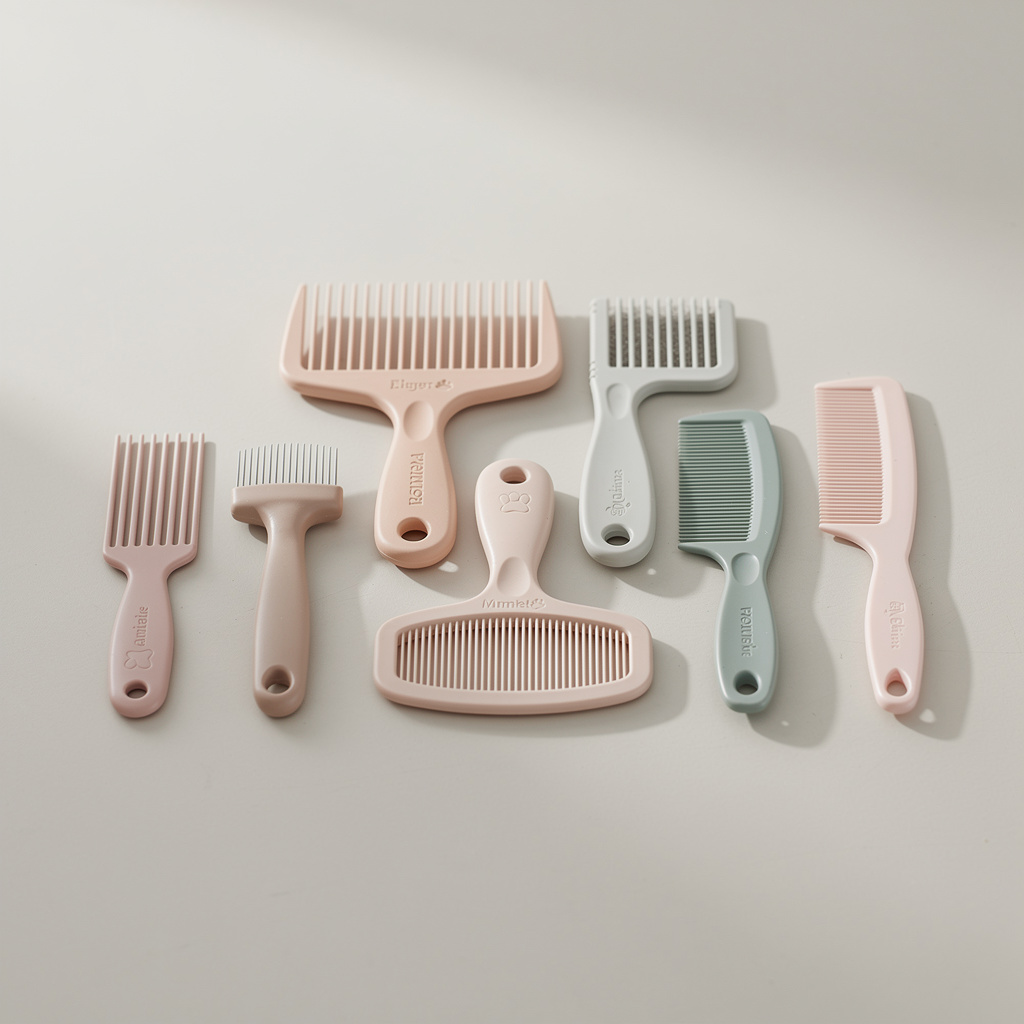
Small animal combs are useful when you need more control than a brush gives. They help you work through small sections, check for tangles, and lift out loose hair near the face, ears, legs, and tail. For dog owners, that makes them handy for toy breeds, puppies, and dogs with fine or silky coats where detail grooming matters.
The best comb is not always the one with the most teeth or the longest handle. What matters is how the teeth are spaced, how smooth the tips feel, and whether the comb can move through your dog’s coat without snagging. A good comb should glide through clean fur, catch small knots early, and give you a clear view of the coat as you groom.
At PetGearAdvisor, we look at comb details in plain language so you can compare options without guesswork. We focus on real product specs, buyer feedback, and practical use cases, since a comb that works for a short-faced puppy may not fit a long, silky coat or a dense double coat. This sub-hub helps you sort small animal combs by tooth spacing, material, handle style, and coat use so you can choose a tool that fits your dog’s routine and your grooming habits.
Key highlights
- Good for face and feet
- Helps find small tangles
- Best for fine coats
- Check tooth spacing first
How to choose (and common mistakes)
This section focuses on small animal combs.
Start with your dog’s coat. Fine, silky, or lightly wavy coats usually need closer teeth, while thicker sections and small mats need wider spacing. If the comb snags often, the teeth may be too tight for that area. Look for smooth, rounded tips so the comb does not scrape the skin or pull at loose hair.
Next, think about size and grip. A small comb is easier around the face, ears, paws, and tail, but it should still feel steady in your hand. A handle with a non-slip grip can help if you groom after a bath or on a squirmy dog. Avoid buying only by length or looks. A common mistake is choosing a comb that is too short for your hand or too fine for the coat. Another mistake is using the same comb on every coat area. Many dogs need one comb for detail work and another tool for fuller coat sections.
⚡ Quick Picks: Small Animal Combs
Three strong options to start with. Pick one that matches your goal, then jump to the guides below.

Stainless Steel Pet Grooming Comb Set
This set includes five stainless steel combs with rounded teeth, featuring two tooth combs, a double-sided lice comb, and both long-needle and short-needle combs. The combs are designed for grooming small pets and may assist with tear stain removal and dematting.

Yumflan Stainless Steel Flea Comb
This comb features fine, dense stainless steel teeth designed for use on dogs and cats. It is intended for regular grooming to remove small debris and dandruff flakes from your pet's coat.

GUBCUB Pets 2-in-1 Grooming Comb
This grooming comb features a double head design with a steel comb on one side for removing tear stains and a brush on the other side to smooth hair around the eyes. It is suitable for small dogs and puppies.
Carefully selected Small Animal Combs tested for quality and value by PetGearAdvisor experts.
Latest Guides
New guides are on the way — check back soon.
How We Choose & Recommend
Short, practical guidance first—then product picks when you are ready.
- We compare features and real-world use cases for Small Animal Combs.
- We scan user feedback for patterns (not one-off opinions).
- We call out trade-offs so you can pick confidently.
FAQ
What makes a small animal comb useful for dogs?
A small animal comb is helpful when you need control in tight spots like the face, ears, paws, and tail. Its smaller size and closer tooth work can lift loose hair and show tiny knots before they grow. It is often a better fit for toy breeds, puppies, and silky coats than a big brush. Try it on one small section first.
How do I choose the right tooth spacing?
Use closer teeth for fine coats, light debris, and detail work near the face. Choose wider spacing for thicker coat sections or small knots that need more room to pass through. If the comb pulls or stops often, the spacing may be wrong for that area. Match the spacing to one coat section, then adjust if needed.
Can one comb work for every coat area?
Sometimes, but not always. A close-tooth comb can work well around eyes, ears, and feet, while a wider-tooth comb may handle body fur better. Dogs with mixed coat lengths often need two tools for smooth results. Check the coat in three places: face, body, and tail, then choose by the toughest area.
What handle features should I look for?
A good handle should feel steady, not slick. Look for a textured grip, a shape that fits your hand, and a size that lets you move around small spots without strain. This matters most when grooming a wiggly dog or working after a bath. Hold the comb for a few seconds before buying, if possible.
How do I keep a comb from snagging?
Use the comb on clean, dry fur and start at the coat ends, not the roots. Short, gentle strokes help you find tangles without yanking. Rounded tooth tips and proper spacing also reduce snagging. If you hit a knot, separate it with your fingers first. Avoid forcing the comb through a tight mat.
How often should I use a comb on my dog?
That depends on coat type and shedding. Fine coats may need quick checks several times a week, while longer or tanglier coats may need daily detail grooming. Focus on areas that trap hair, such as behind the ears and under the legs. Keep a simple routine and check the same spots each time.
Related in this hub
🐾 Our Top 3 Small Animal Combs
Stainless Steel Pet Grooming Comb Set
This set includes five stainless steel combs with rounded teeth, featuring two tooth combs, a double-sided lice comb, and both long-needle and short-needle combs. The combs are designed for grooming small pets and may assist with tear stain removal and dematting.
Yumflan Stainless Steel Flea Comb
This comb features fine, dense stainless steel teeth designed for use on dogs and cats. It is intended for regular grooming to remove small debris and dandruff flakes from your pet's coat.
GUBCUB Pets 2-in-1 Grooming Comb
This grooming comb features a double head design with a steel comb on one side for removing tear stains and a brush on the other side to smooth hair around the eyes. It is suitable for small dogs and puppies.
Carefully selected Small Animal Combs tested for quality and value by PetGearAdvisor experts.