
Small Animal Pellet Bedding Guide
Simple help for choosing pellet bedding that fits your pet and cage.
Last updated:
Quick answer
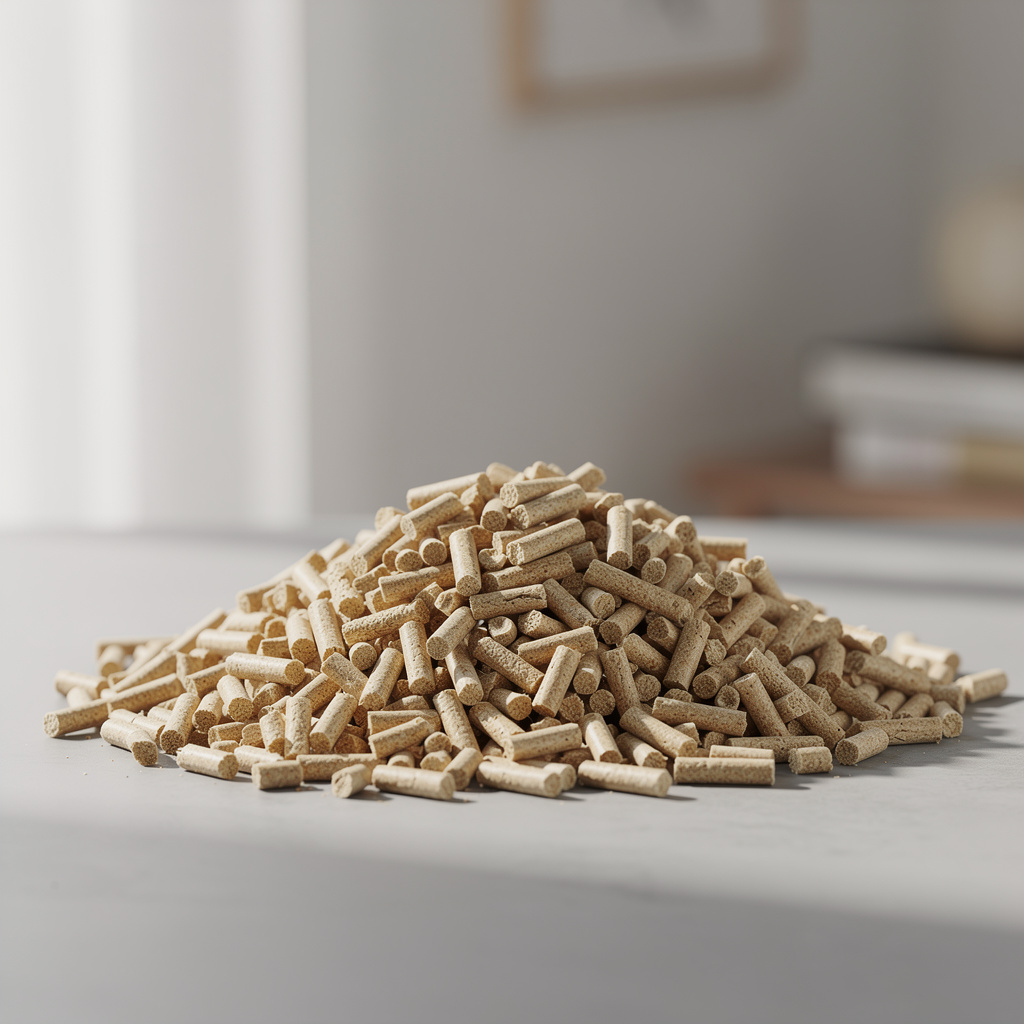
Small animal pellet bedding is used in cages, litter pans, and some hide areas for pets like rabbits, guinea pigs, hamsters, and ferrets.
- Updated for 2026
- Source-backed comparisons
- Reader-first buying guides
- Transparent affiliate disclosure
Small animal pellet bedding is used in cages, litter pans, and some hide areas for pets like rabbits, guinea pigs, hamsters, and ferrets. It is made in small pellets that can help soak up moisture and keep the enclosure cleaner between full changes. Because pellet bedding comes in different materials and sizes, the best choice depends on how your pet uses the space and how often you clean it.
This sub-hub helps you compare pellet bedding in plain language. Some pellets are made from paper, wood, or plant fiber. Some hold shape better, while others break down faster when wet. That matters because a bedding that works well in a litter corner may not be the best pick for a full cage floor. It also matters if your pet likes to burrow, nest, or rest on top of the bedding.
PetGearAdvisor focuses on practical details that are easy to miss, like dust level, pellet size, bag weight, scent, and how fast the bedding clumps or spreads. We turn product specs, review notes, and buyer feedback into clear guidance so you can compare options with less guesswork. The goal is simple: help you choose pellet bedding that fits your pet’s routine, your cleaning style, and the setup you already have.
Key highlights
- Absorbs moisture in cage areas
- Works well in litter zones
- Some types are low-dust
- Pellet size changes comfort
- Material affects cleanup time
How to choose (and common mistakes)
Start with your pet’s cage use. If you need bedding for a litter pan, look for pellets that hold shape after wetting and are easy to scoop. If you want full-floor coverage, choose a softer option or mix pellets with a top layer your pet can rest on. Check the material first: paper pellets are often lighter, while wood pellets may feel firmer and dry faster. Avoid assuming all pellets work the same.
Look at dust, size, and odor control next. Too much dust can make cleaning messy, and very large pellets may not suit smaller pets or nesting areas. Read the package for intended use, since some pellets are made for litter only, not full bedding. A common mistake is buying one product for every enclosure task without checking how your pet behaves. Match the bedding to the job, then test a small amount before switching fully.
⚡ Quick Picks: Small Animal Pellet Bedding
Three strong options to start with. Pick one that matches your goal, then jump to the guides below.

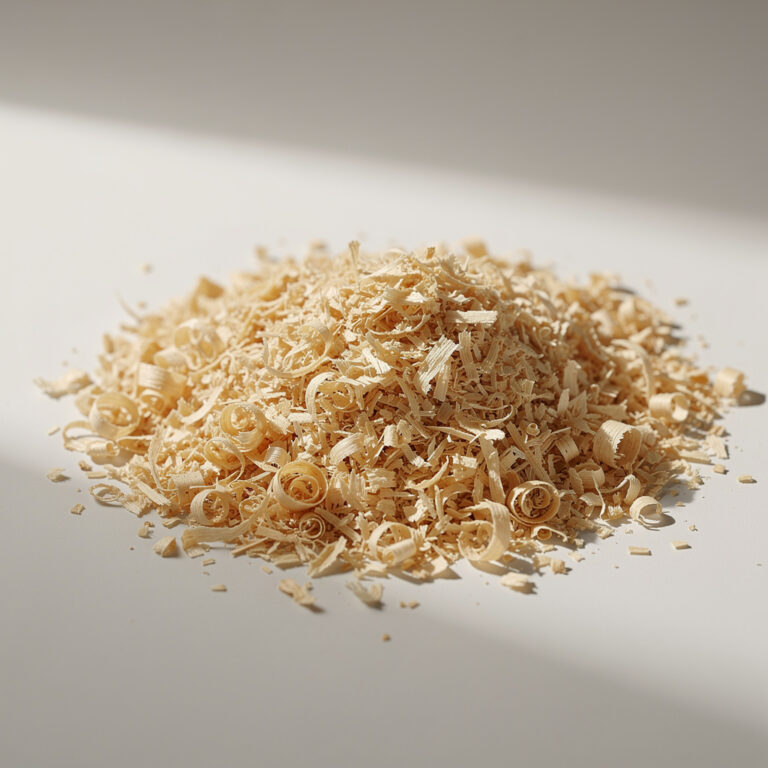
Kaytee Wood Pellets Small Animal Litter
Wood pellet litter suitable for various small pets including ferrets, guinea pigs, rats, and rabbits. Comes in an 8-pound (4.9 liter) bag and is designed not to stick or cling.

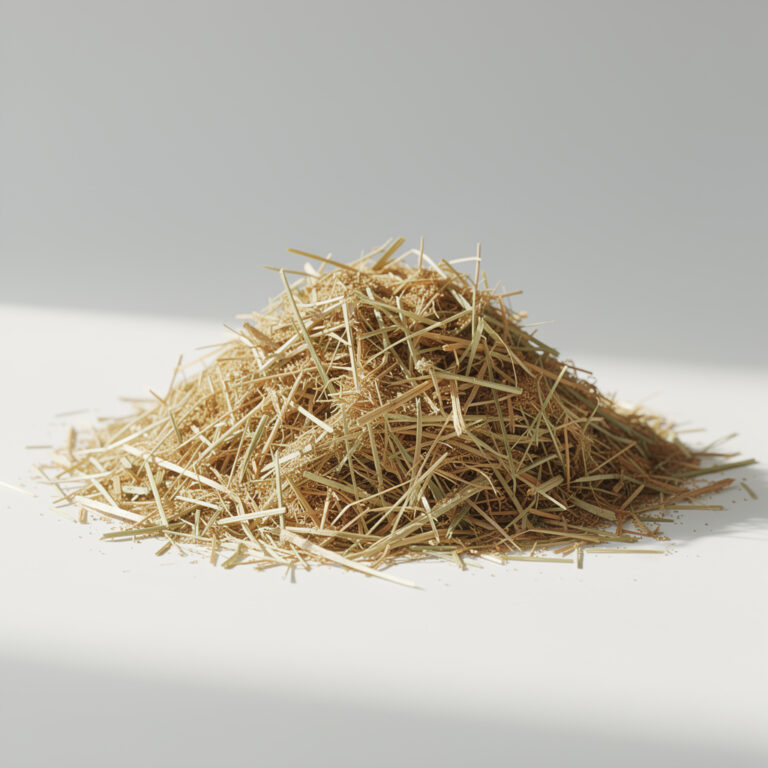
Oxbow Eco Straw Rabbit Litter Pellets
Made in the USA, these litter pellets are clumpable and scoopable for easy disposal. Suitable for rabbits and ferrets, the product comes in a 20 lb size.

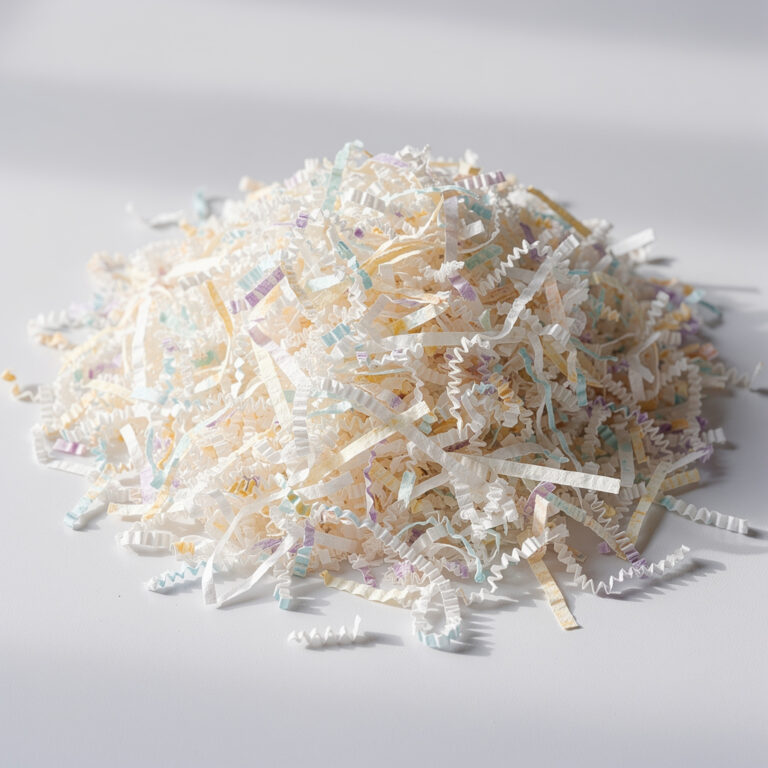
Small Pet Select Paper Pellet Bedding
Made from recycled paper pellets, this bedding features a low dust formula with 99% dust-free content to reduce airborne particles.
Carefully selected Small Animal Pellet Bedding tested for quality and value by PetGearAdvisor experts.
Latest Guides
New guides are on the way — check back soon.
How We Choose & Recommend
Short, practical guidance first—then product picks when you are ready.
- We compare features and real-world use cases for Small Animal Pellet Bedding.
- We scan user feedback for patterns (not one-off opinions).
- We call out trade-offs so you can pick confidently.
FAQ
What pets can use pellet bedding?
Pellet bedding is commonly used for rabbits, guinea pigs, hamsters, and other small pets, but the right fit depends on the pet and the setup. Some animals do better with pellets in a litter pan, while others need a softer top layer in rest areas. Check cage habits, nesting needs, and pellet size before you fill the whole space. Start with one section and watch how your pet uses it.
Is pellet bedding better for litter areas or full cages?
Pellet bedding often works best in litter areas because it absorbs wet spots and is easier to scoop out. In full cages, the firmer feel can be less comfortable unless you add a soft layer on top. Many owners use pellets only in corners or trays, then keep a separate resting area. Try a small zone first and compare cleanup after a few days.
How do I compare paper, wood, and plant-based pellets?
Paper pellets are usually lighter and may feel softer, while wood pellets often feel firmer and can dry faster. Plant-based pellets may break down in a different way and can vary a lot by brand. Look at dust, odor control, and how the pellets hold together when wet. Read the package for material details, then choose based on your pet’s cage use.
What should I look for on the product label?
Check the material, pellet size, intended use, and whether the bedding is meant for litter boxes or full enclosure use. Bag weight matters too, since it affects how much coverage you get. Some labels also note dust level or scent-free design. Compare those details before buying, and avoid assuming a product made for one pet will suit another.
How often should pellet bedding be changed?
Change pellet bedding based on how fast it becomes wet or broken down, not just the calendar. Litter zones may need faster spot cleaning, while larger enclosure areas can last a bit longer if they stay dry. Remove wet clumps, stir dry spots, and replace bedding before odor builds up. Keep a simple schedule and check the corners daily.
What problems mean I should switch products?
Switch if the bedding makes too much dust, turns mushy too fast, or feels rough in the areas your pet uses most. If cleanup takes longer because the pellets spread, clump badly, or track out of the cage, it may not fit your setup. Watch for poor absorbency in wet corners and compare that with a different material or pellet size next.
Related in this hub
🐾 Our Top 3 Small Animal Pellet Bedding
Kaytee Wood Pellets Small Animal Litter
Wood pellet litter suitable for various small pets including ferrets, guinea pigs, rats, and rabbits. Comes in an 8-pound (4.9 liter) bag and is designed not to stick or cling.
Oxbow Eco Straw Rabbit Litter Pellets
Made in the USA, these litter pellets are clumpable and scoopable for easy disposal. Suitable for rabbits and ferrets, the product comes in a 20 lb size.
Small Pet Select Paper Pellet Bedding
Made from recycled paper pellets, this bedding features a low dust formula with 99% dust-free content to reduce airborne particles.
Carefully selected Small Animal Pellet Bedding tested for quality and value by PetGearAdvisor experts.