
PetGearAdvisor
Pick Perches Birds Can Use With Ease
See which perch types fit your bird, cage, and routine. This guide keeps the choice simple with plain advice you can use right away.
- Updated for 2026
- Source-backed comparisons
- Reader-first buying guides
- Transparent affiliate disclosure
Last updated:
A perch does more than give a bird a place to stand. It shapes how your bird moves, rests, grips, and uses the rest of the cage. The right perch should fit the bird’s feet, match the cage size, and feel safe for daily use. The wrong one can be too smooth, too narrow, too wide, or placed in a spot that makes the cage awkward to use.
Avian perches come in many forms, including wood, rope, natural branches, plastic, ceramic, and sand-coated styles. Each type has a different feel and purpose. Some are best for everyday standing. Others add texture, variety, or a spot for short rests. In a good setup, perches work together rather than repeating the same shape and surface.
This hub helps you compare perch choices in clear language. You can look at what each style is for, what features matter most, and where people often go wrong. That makes it easier to choose a perch that fits your bird’s size, your cage layout, and the way you clean and reset the cage over time.
PetGearAdvisor focuses on practical comparisons, so the goal here is not to overcomplicate things. It is to help you spot the useful details quickly: diameter, material, grip, mounting style, and how the perch fits beside feeders, toys, and doors. With those basics in place, you can build a setup that feels more natural for your bird and easier for you to manage.
What you’ll get here
- Clear perch types and uses
- Fit tips for bird size
- Simple checks for safer choices
- Plain advice on cage layout
How to start (simple plan)
Start with one main perch that fits your bird’s feet and cage width. Then add one or two extra perches with different textures or thicknesses. This gives your bird more ways to stand and move without crowding the cage.
A common mistake is picking the same size and surface for every perch. That can make the cage feel flat and less useful. Another mistake is placing perches too close to food bowls, water cups, or the door. Leave room for movement, droppings, and easy cleaning. If you are unsure, choose sturdy materials, simple mounting hardware, and a shape that is easy to wipe or replace.
⚡ Quick Picks: Avian Perches
Three strong options to start with. Pick one that matches your goal, then jump to the guides below.
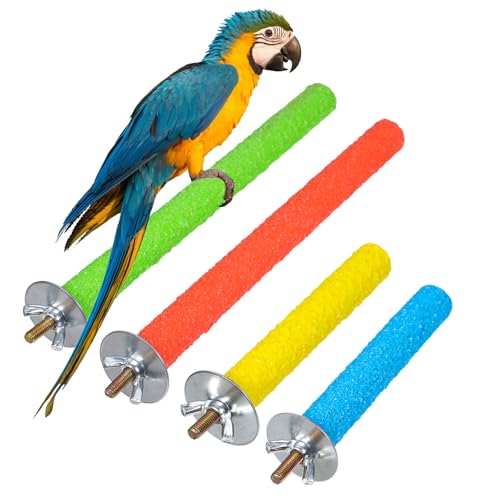
Wooden Bird Perch Stand Set
Set of four colorful wooden perch stands made from wood and metal, suitable for various small bird species. These accessories include paw grinding sticks and are designed for use in bird cages.

StyEdEk Natural Wood Bird Perches
Set of eight untreated hardwood perches made for bird cages, suitable for parrots. Each perch offers a sturdy and durable surface for birds to perch on.

Natural Wood Bird Perch Set
This 8-piece set includes wooden perches, fork toys, a hanging multi-branch platform, and a hammock swing made from natural wood. The set is suitable for small birds like parakeets and budgies and features durable pet bird accessories.
Carefully selected Avian Perches tested for quality and value by PetGearAdvisor experts.
Choose Your Next Step
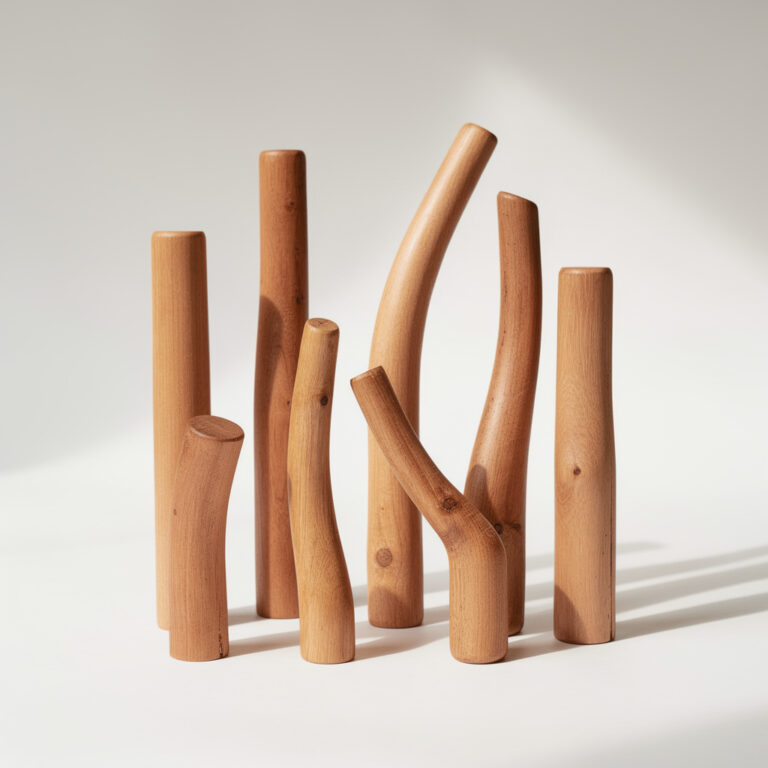
Wooden Perches
Good for daily standing and simple cage layouts.
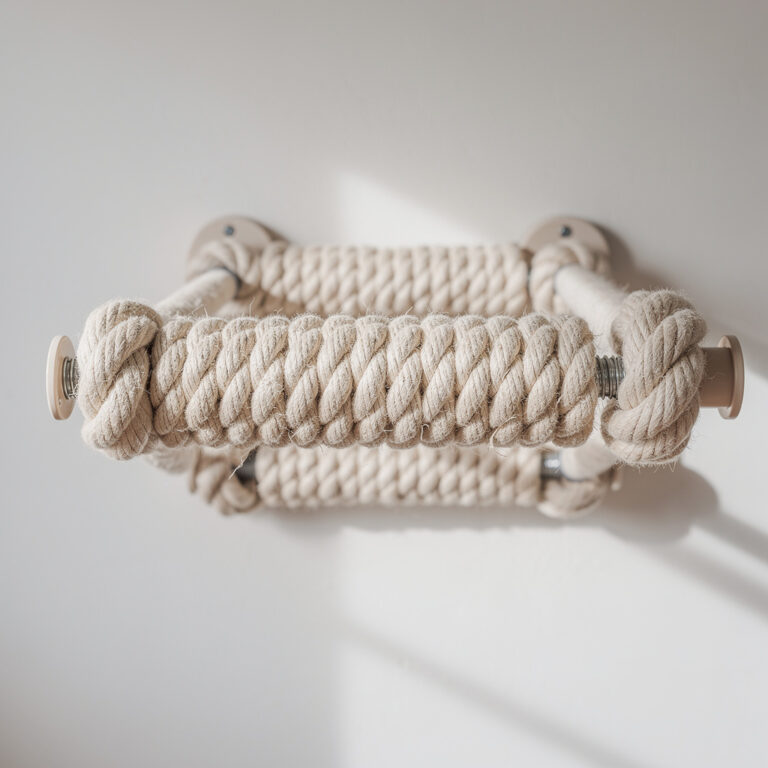
Rope Perches
Soft, bendable options for varied footing and shape.
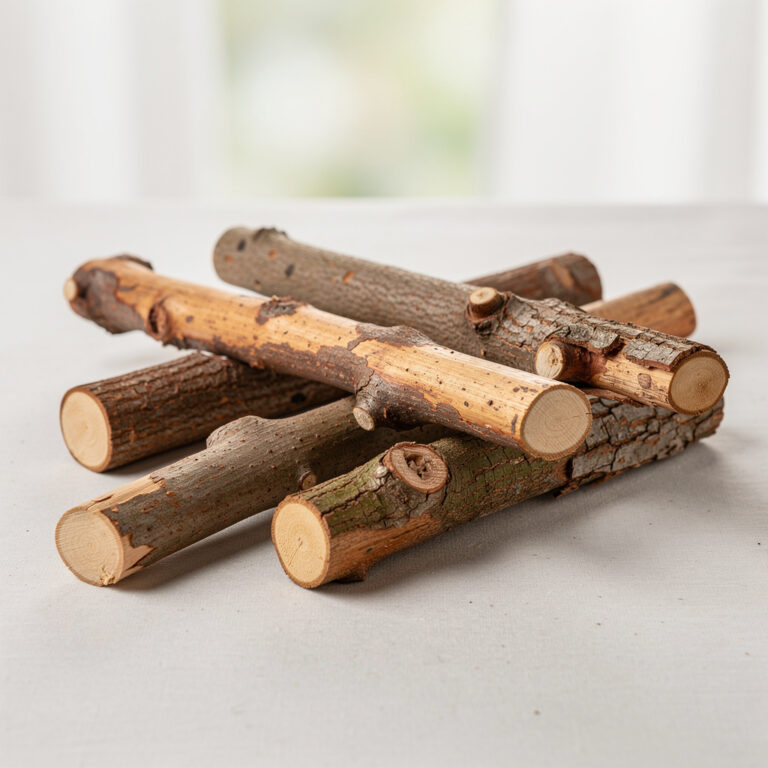
Natural Perches
Branch-style choices with uneven texture and shape.
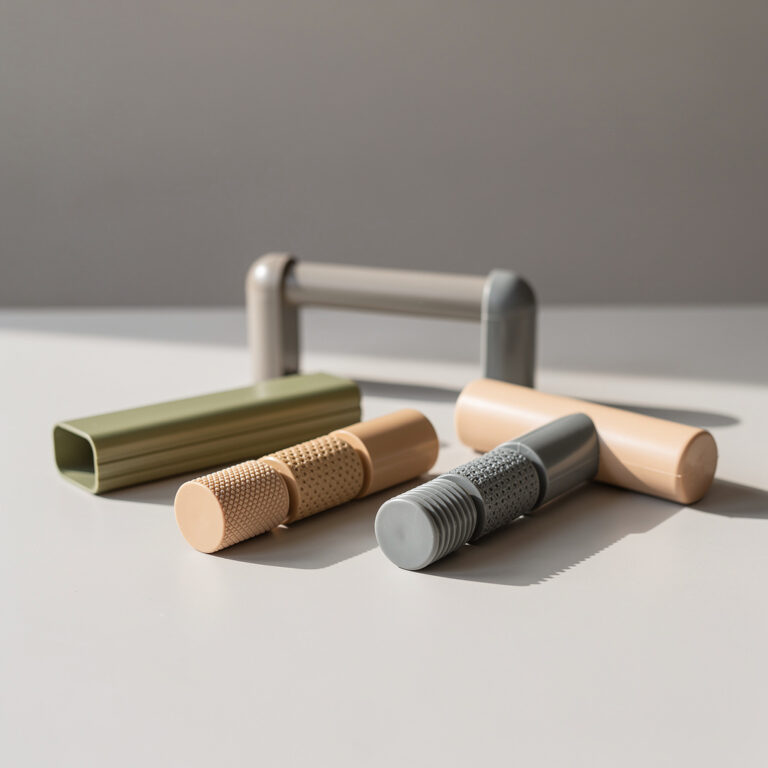
Plastic Perches
Easy-to-clean perches with a firm, smooth feel.
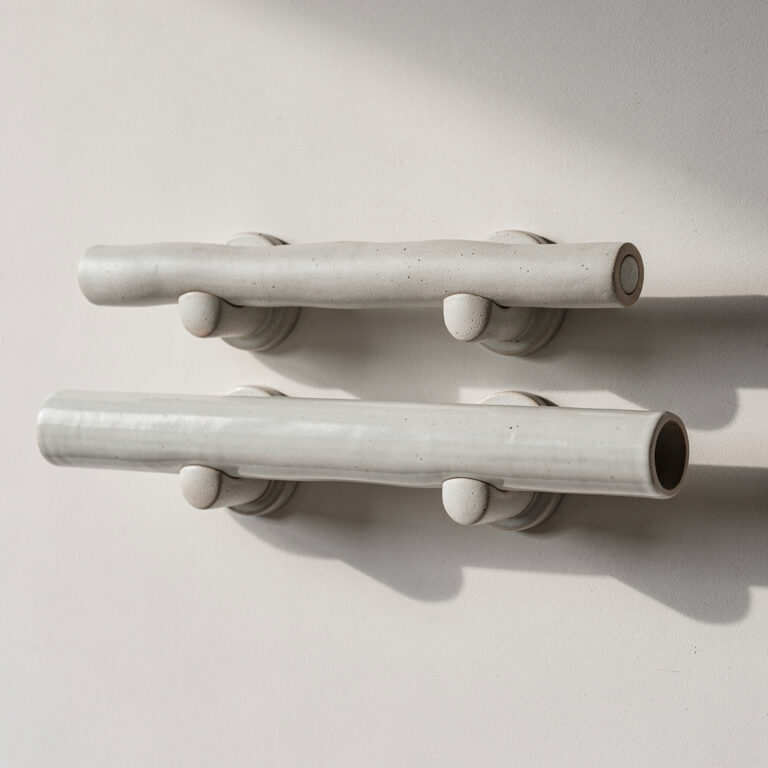
Ceramic Perches
Hard-surface perches that add a different standing texture.
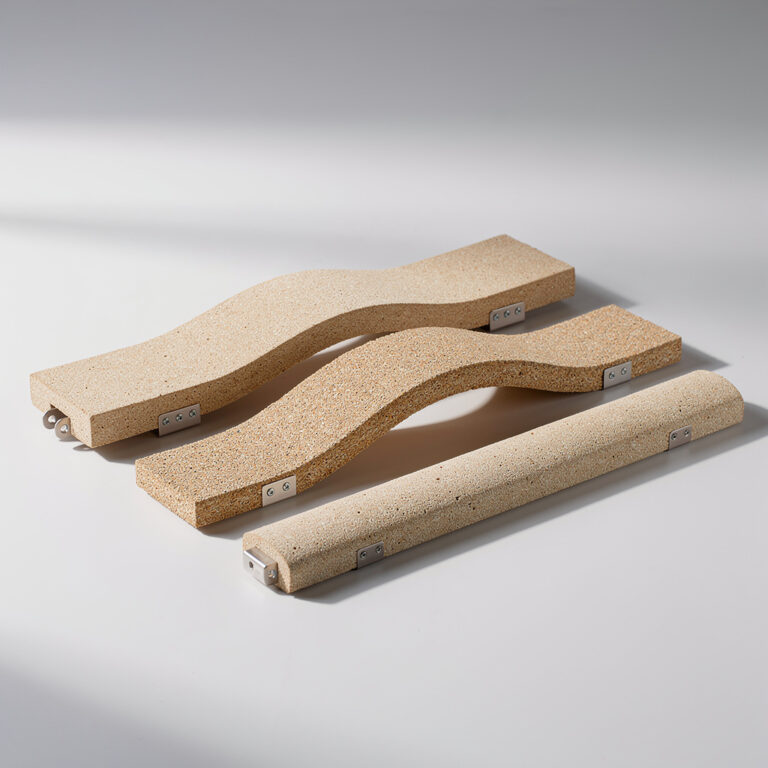
Sand Perches
Textured perches used for extra grip in some setups.
Pick the Right Path Fast
- If you want: Good for daily standing and simple cage layouts. Start with: Wooden Perches →
- If you want: Soft, bendable options for varied footing and shape. Start with: Rope Perches →
- If you want: Branch-style choices with uneven texture and shape. Start with: Natural Perches →
Latest Guides
New guides are on the way — check back soon.
How We Choose & Recommend
Short, practical guidance first—then product picks when you are ready.
- We compare features and real-world use cases for Avian Perches.
- We scan user feedback for patterns (not one-off opinions).
- We call out trade-offs so you can pick confidently.
FAQ
What is an avian perch used for?
An avian perch gives a bird a place to stand, rest, and move inside a cage or play area. It can also affect how the bird grips, balances, and reaches feeders or toys. Good perch placement leaves space near doors and bowls, while the surface can range from smooth wood to rough natural branch styles.
How do I choose the right perch size?
Start with your bird’s feet and the cage width. The toes should wrap around the perch without meeting all the way under it, and the perch should not crowd the cage sides. A thick perch can feel awkward for small feet, while a very thin one may not feel stable enough for larger birds.
What perch materials are most common?
Wood, rope, natural branches, plastic, ceramic, and sand-coated styles are common choices. Wood and natural branches often give better grip, while plastic and ceramic are easier to wipe down. Rope can add softness, but it should be checked often for fraying and trapped debris.
How many perches should be in one cage?
Most cages work best with a few useful perches instead of many crowded ones. One main perch, one different-texture perch, and one resting perch are often enough for a small setup. Leave open space for wing movement, bowl access, and a clean path from one side of the cage to the other.
What should I avoid when placing perches?
Do not place perches directly over food or water bowls, because droppings can fall into them. Also avoid blocking the main door or crowding toys so the bird has no clear path. A perch that sits too close to the cage wall can make turning and climbing harder.
How do I get the most from natural or rope perches?
Use natural perches to add shape changes and branch-like footing, and place them where the bird can rest without getting boxed in. Rope perches work well when they are securely tied or clipped and kept dry. Check for worn ends, loose threads, or spots that have become dirty and hard to clean.
What makes one perch a better value than another?
A better value perch fits the bird well, stays secure, and matches how often you clean and rearrange the cage. A simple wood perch with sturdy hardware may last longer than a fancy shape that slips or crowds the cage. Look for useful size, durable material, and a design that supports daily use without fuss.
🐾 Our Top 3 Avian Perches
Wooden Bird Perch Stand Set
Set of four colorful wooden perch stands made from wood and metal, suitable for various small bird species. These accessories include paw grinding sticks and are designed for use in bird cages.
StyEdEk Natural Wood Bird Perches
Set of eight untreated hardwood perches made for bird cages, suitable for parrots. Each perch offers a sturdy and durable surface for birds to perch on.
Natural Wood Bird Perch Set
This 8-piece set includes wooden perches, fork toys, a hanging multi-branch platform, and a hammock swing made from natural wood. The set is suitable for small birds like parakeets and budgies and features durable pet bird accessories.
Carefully selected Avian Perches tested for quality and value by PetGearAdvisor experts.