
Aquarium Canister Filters Made Simple
Compare canister filters by fit, flow, and upkeep.
Last updated:
Quick answer
Aquarium canister filters are built for hobbyists who want strong, flexible filtration without crowding the tank.
- Updated for 2026
- Source-backed comparisons
- Reader-first buying guides
- Transparent affiliate disclosure
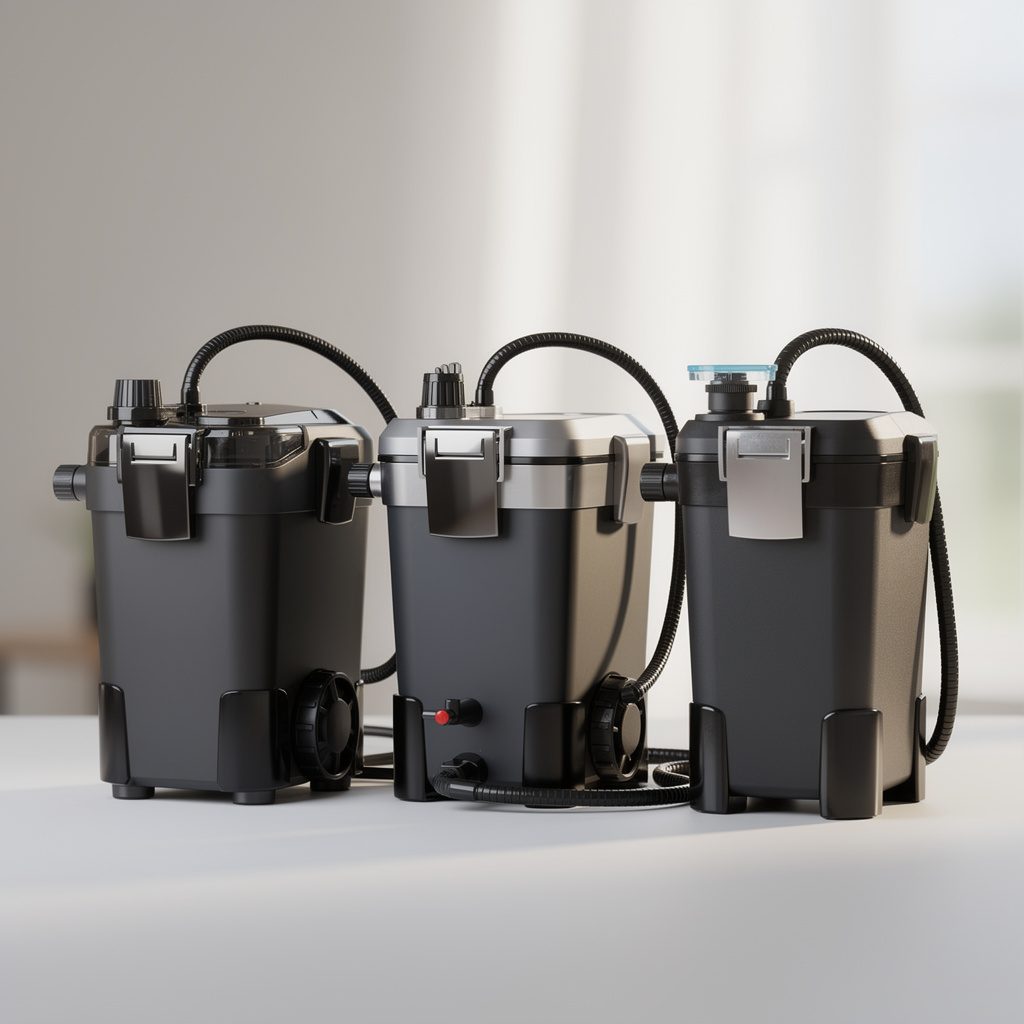
Aquarium canister filters are built for hobbyists who want strong, flexible filtration without crowding the tank. They sit outside the aquarium, pull water through a canister, and send it back after it passes through mechanical, biological, and sometimes chemical media. That gives you room to handle waste, support helpful bacteria, and fine-tune water clarity with less clutter inside the tank.
The right canister filter depends on more than the tank size on the box. You also need to think about stocking level, fish type, plant layout, and how much maintenance you are willing to do. A filter that looks powerful on paper may be awkward to prime, noisy on startup, or short on media space. Another may be easy to service but too small for a tank with heavy waste load.
PetGearAdvisor breaks these choices into plain language so you can compare real features instead of guessing. We focus on the details that matter in daily use: hose length, basket layout, flow control, seal quality, and how easy it is to clean without making a mess. If you are choosing a canister filter for a new tank or replacing one that is not keeping up, the goal is the same: find a model that fits your aquarium, your routine, and the way you actually care for it.
Key highlights
- Strong filtration in a small footprint
- Useful for medium and large tanks
- Media baskets change performance
- Upkeep matters as much as flow
- Easy access helps long-term use
How to choose (and common mistakes)
This section focuses on aquarium canister filters.
Start with your tank size, stocking level, and the kind of waste your fish create. A lightly stocked planted tank needs different support than a busy community tank or a messy cichlid setup. Look for enough media capacity, a flow rate you can adjust, and hose length that reaches the cabinet or stand without strain. Also check basket design, because easy-to-load trays make routine service much simpler.
Common mistakes include buying only by flow number, ignoring media space, and forgetting about cleaning access. A powerful filter is not helpful if the hoses are too short, the primer is hard to use, or the lid seal is fussy. Compare how the filter starts, how often it needs service, and whether replacement parts are easy to find. If two models seem close, choose the one with the simpler setup and the easier maintenance path.
⚡ Quick Picks: Aquarium Canister Filters
Three strong options to start with. Pick one that matches your goal, then jump to the guides below.

PONDFORSE Canister Aquarium Filter
This external canister filter features an adjustable flow rate control valve, making it compatible with various aquarium sizes and types. It operates quietly and includes filtration media.

Fluval 107 Canister Filter
This canister filter features a motor that provides consistent pumping power and pressure, suitable for aquariums up to 30 gallons.

Fluval FX2 Canister Aquarium Filter
This canister filter features multi-stage filtration and a built-in powered water change system. It includes a basket-in-basket tray design and Smart Pump technology that auto-evacuates trapped air every 12 hours.
Carefully selected Aquarium Canister Filters tested for quality and value by PetGearAdvisor experts.
Related Topics
Aquarium Undergravel Filters
Aquarium Sponge Filters
Aquarium Power Filters
Latest Guides
New guides are on the way — check back soon.
How We Choose & Recommend
Short, practical guidance first—then product picks when you are ready.
- We compare features and real-world use cases for Aquarium Canister Filters.
- We scan user feedback for patterns (not one-off opinions).
- We call out trade-offs so you can pick confidently.
FAQ
How do I size an aquarium canister filter for my tank?
Start with the tank’s volume, then adjust for stocking and waste load. A 55-gallon tank with active fish usually needs more support than a lightly stocked 55-gallon planted setup. Check the rated flow, but also look at media capacity and hose length. If the filter seems borderline, move up one step and avoid undersizing.
What media should I use in a canister filter?
Use a simple stack: coarse sponge first, then finer pads, then biological media like ceramic rings or sintered glass. Add carbon only when you have a clear reason, such as odor control or after medication use. Leave room for water to move through each layer. Try one media change at a time so you can track results.
How often should I clean a canister filter?
Most filters need service every few weeks to a few months, depending on fish load and how fast flow drops. Watch for slower output, trapped debris, or a louder motor sound. Clean the intake sponge, rinse media gently, and inspect the impeller. Do not wait until flow is nearly stopped; set a reminder and check it early.
Why does my canister filter lose flow?
Common causes include clogged intake tubes, dirty media, trapped air, or a blocked impeller. Start by checking the intake strainer and hose bends, then open the unit and inspect the impeller chamber. A weak seal can also let air in and break the flow. Clean one section at a time so you find the real cause.
Is a canister filter better than a hang-on-back filter?
A canister filter usually offers more media space, better hose routing, and a cleaner look outside the tank. A hang-on-back filter can be simpler for smaller aquariums and faster to service. The better choice depends on tank size, cabinet space, and how much maintenance you want to handle. Compare access, noise, and media capacity before deciding.
What should I check before first startup?
Confirm the seals are seated, the hoses are tight, and the baskets are packed in the right order. Fill the canister with water, follow the priming steps, and watch for leaks around the lid and hose connections. Make sure the return flow is aimed safely into the tank. Before walking away, check for three things: steady output, dry fittings, and no trapped air.
Related in this hub
🐾 Our Top 3 Aquarium Canister Filters
PONDFORSE Canister Aquarium Filter
This external canister filter features an adjustable flow rate control valve, making it compatible with various aquarium sizes and types. It operates quietly and includes filtration media.
Fluval 107 Canister Filter
This canister filter features a motor that provides consistent pumping power and pressure, suitable for aquariums up to 30 gallons.
Fluval FX2 Canister Aquarium Filter
This canister filter features multi-stage filtration and a built-in powered water change system. It includes a basket-in-basket tray design and Smart Pump technology that auto-evacuates trapped air every 12 hours.
Carefully selected Aquarium Canister Filters tested for quality and value by PetGearAdvisor experts.