
Glass Aquarium Tanks Buying Guide
Compare glass tank shapes, build details, and fit before you choose.
Last updated:
Quick answer
Glass aquarium tanks come in many shapes, but the best choice starts with the same basics: size, support, and access.
- Updated for 2026
- Source-backed comparisons
- Reader-first buying guides
- Transparent affiliate disclosure
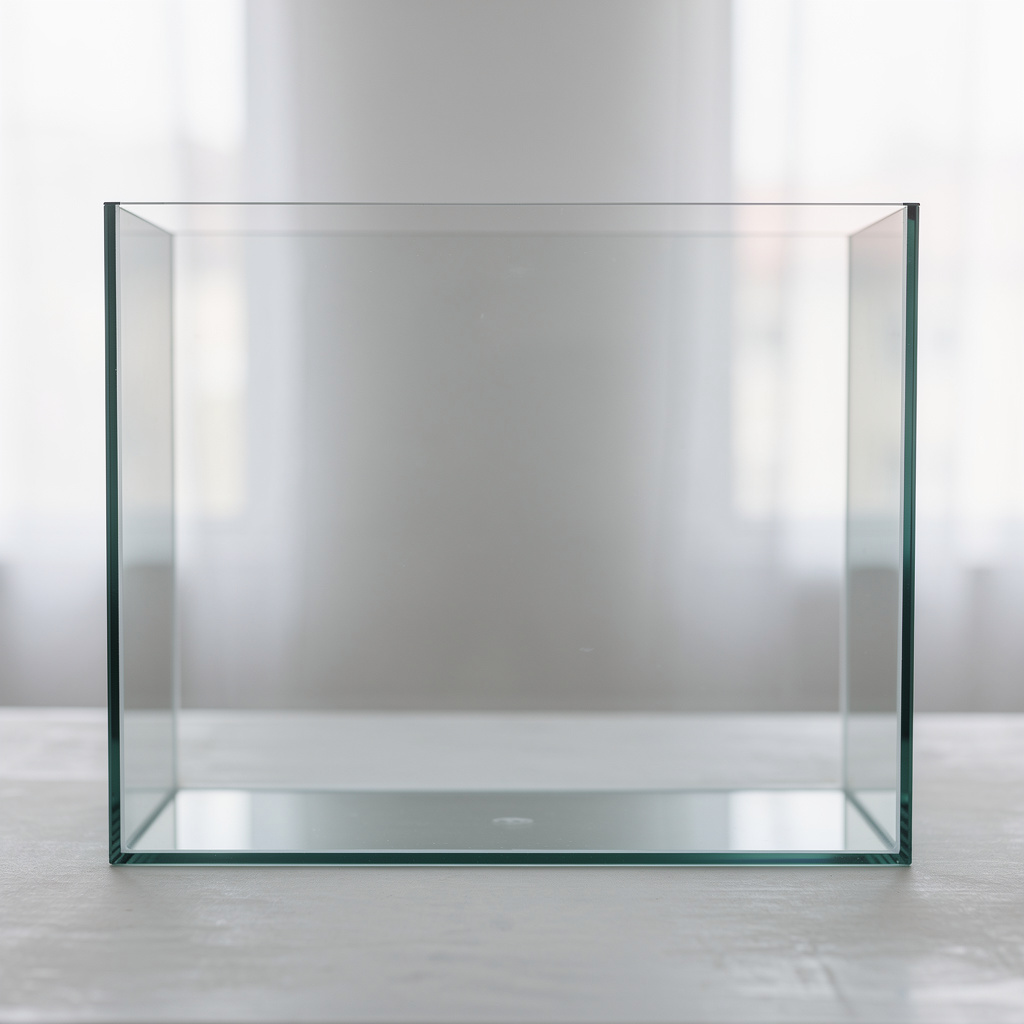
Glass aquarium tanks come in many shapes, but the best choice starts with the same basics: size, support, and access. A tank that looks right in photos can still be awkward if the footprint does not fit your stand, the top opening does not suit your light, or the glass is thinner than you expected. That is why clear specs matter more than the product name on the box.
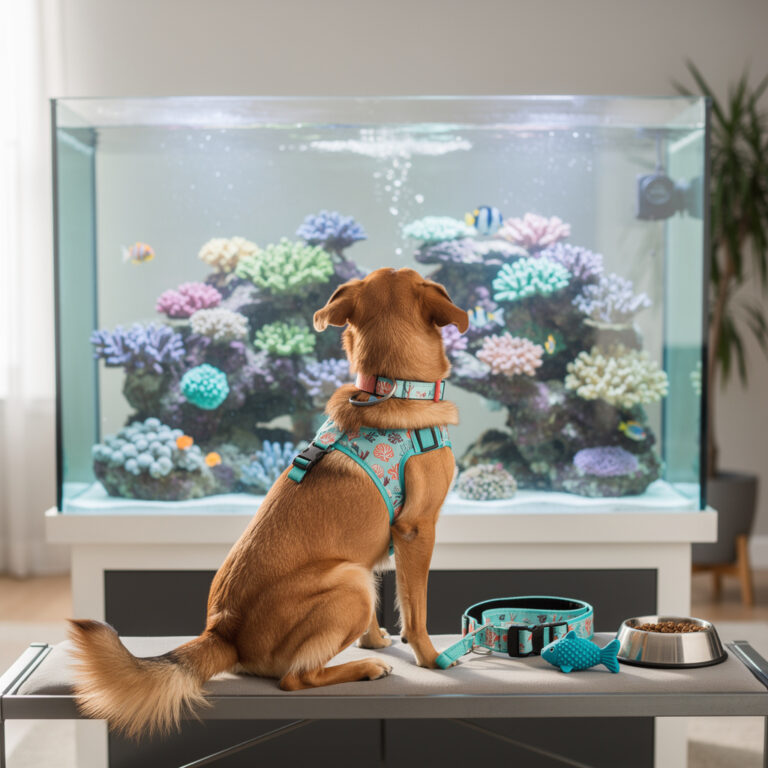
For dog owners who also keep fish or other aquatic setups in the home, glass is often appealing because it feels sturdy, shows clear lines, and works with many common stands and lids. It can be a smart pick for a display tank, a quarantine setup, or a simple room centerpiece. But the details still decide the experience. Rimmed and rimless tanks behave differently. Long tanks and tall tanks serve different uses. Thick glass helps on larger builds, while a center brace can limit how you place covers and lights.
PetGearAdvisor focuses on the small choices that affect daily use: panel thickness, frame style, seam layout, and true outside dimensions. We also pay attention to what buyer photos and product specs do not always show, like how much room a lid needs, whether the top opening is blocked, and how easy the tank is to clean around the edges. If you compare those details first, you can avoid fit problems and pick a glass tank that works with your space from day one.
Key highlights
- Check outside dimensions first
- Match lid style to top frame
- Compare brace layout before buying
- Look for thicker glass on larger tanks
How to choose (and common mistakes)
Start with the space where the tank will sit. Measure the stand or cabinet, then compare the tank’s outside length, width, and height, not just the gallon rating. A tank with the right volume can still overhang the stand or crowd a nearby wall. Next, check the top style. Rimmed tanks, rimless tanks, and tanks with center braces all affect lid fit, lighting, and feeding access.
Look at glass thickness and panel support together. Bigger tanks usually need stronger glass or extra bracing, especially across long front and back panels. Also review the seam finish, since clean seams and even silicone lines help you judge build quality. Common mistakes include choosing by gallons alone, forgetting cord and filter space, and buying a lid before confirming the opening shape. If you clean often, plan for easy reach to the bottom and corners. If you want a neat display, choose a style that suits the room and your maintenance routine.
⚡ Quick Picks: Glass Aquarium Tanks
Three strong options to start with. Pick one that matches your goal, then jump to the guides below.

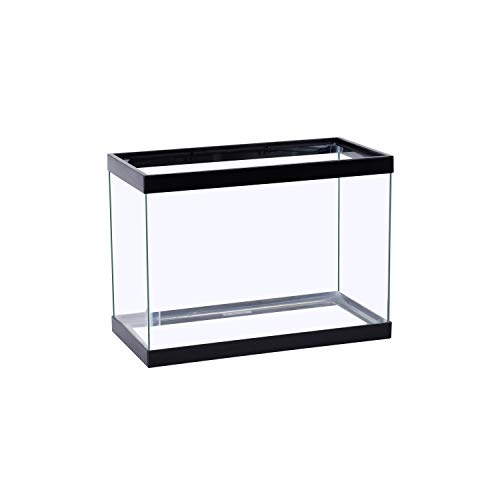
Tetra 29 Gallon Glass Aquarium
A rectangular glass fish tank with a 29-gallon capacity. Compatible with Tetra filtration, lighting, and water care accessories sold separately.
Tetra 5.5 Gallon Glass Aquarium
A rectangular glass fish tank with a 5.5 gallon capacity. Compatible with Tetra filtration, lighting, and water care accessories sold separately.
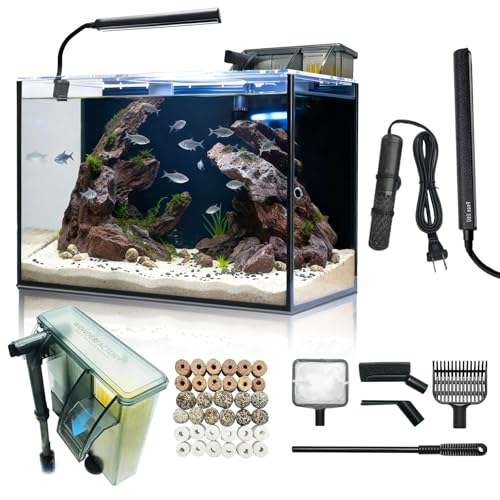
10 Gallon Glass Aquarium Set
This 10 gallon glass aquarium features a clear, rimless design and includes a heater, self-cleaning filter system with media, bright light, and a cleaning tool. The tank is leak-proof and suitable for betta, tropical, and freshwater fish.
Carefully selected Glass Aquarium Tanks tested for quality and value by PetGearAdvisor experts.
Related Topics
Aquarium Reef Tanks
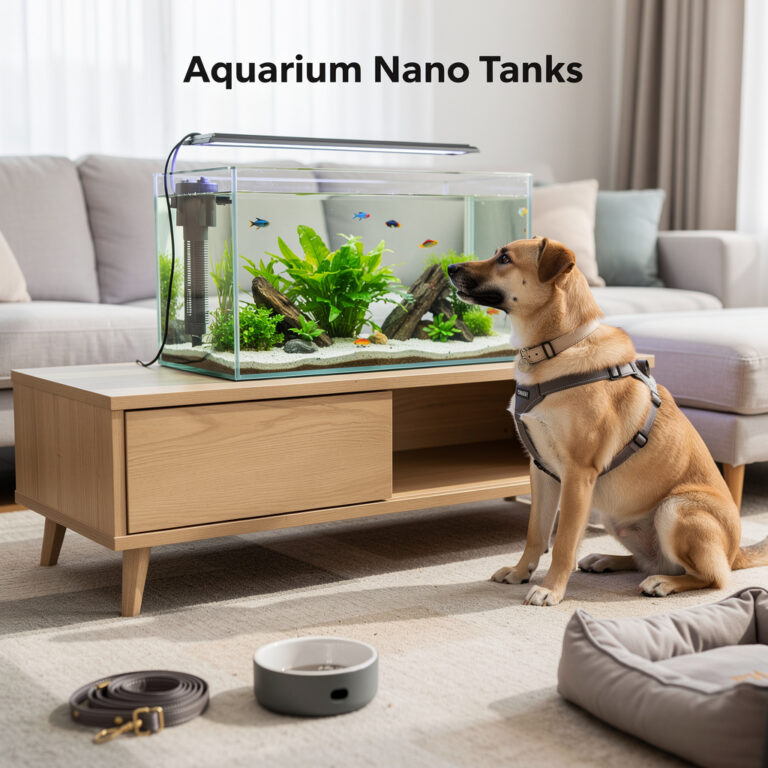
Aquarium Nano Tanks

Acrylic Aquarium Tanks
Latest Guides
New guides are on the way — check back soon.
How We Choose & Recommend
Short, practical guidance first—then product picks when you are ready.
- We compare features and real-world use cases for Glass Aquarium Tanks.
- We scan user feedback for patterns (not one-off opinions).
- We call out trade-offs so you can pick confidently.
FAQ
How do I tell if a glass tank will fit my stand?
Measure the stand’s full top surface, then compare it with the tank’s outside length and width. Do not stop at gallon size, because two tanks can hold similar water but have very different footprints. Leave a little room for trim, cords, and any raised edge. If the tank barely fits, look for another size or a wider stand.
What makes rimmed and rimless glass tanks different?
A rimmed tank has a top frame that can add support and help with cover placement. A rimless tank has a clean open edge and often makes the tank look lighter in the room. Rimmed styles may be easier for basic lids, while rimless models can need more careful support and a level surface. Check the stand, the light, and the top opening before deciding.
Why does glass thickness matter on larger tanks?
Thicker glass helps a tank better handle water pressure, especially on longer front and back panels. Small tanks may use thinner panels, but larger builds usually need more strength or extra bracing. Look at the listed thickness along with the tank’s length and height, because a tall or wide tank may need more support than you expect. Compare those specs before you set up the stand.
Can I use any lid with a glass aquarium tank?
No, lid fit depends on the tank’s rim, brace style, and exact opening size. A one-piece cover may not work if a center brace runs across the top. Even when the tank length matches, trim and corner shapes can change the fit. Check the opening, the frame, and any light mounts together so you do not end up with gaps or blocked access.
What should I look for in product photos?
Use photos to confirm the top frame, seam layout, and any center brace location. Side shots help you judge height, while top views show the opening and support bars. Clear images should also show the corners and silicone lines. If the photos hide the top edge or only show one angle, compare them with the written dimensions before you trust the listing.
How do I choose between a long tank and a tall tank?
A long tank gives more horizontal space and usually makes cleaning easier, since you can reach across the front and back more easily. A tall tank uses less floor length but can make lighting and access harder. Think about your room, your stand, and how often you will clean or feed through the top. Match the shape to the task, then confirm the exact measurements.
Related in this hub
🐾 Our Top 3 Glass Aquarium Tanks
Tetra 29 Gallon Glass Aquarium
A rectangular glass fish tank with a 29-gallon capacity. Compatible with Tetra filtration, lighting, and water care accessories sold separately.
Tetra 5.5 Gallon Glass Aquarium
A rectangular glass fish tank with a 5.5 gallon capacity. Compatible with Tetra filtration, lighting, and water care accessories sold separately.
10 Gallon Glass Aquarium Set
This 10 gallon glass aquarium features a clear, rimless design and includes a heater, self-cleaning filter system with media, bright light, and a cleaning tool. The tank is leak-proof and suitable for betta, tropical, and freshwater fish.
Carefully selected Glass Aquarium Tanks tested for quality and value by PetGearAdvisor experts.