
Aquarium Rocks & Stones
Pick stones that look good, stay stable, and suit your tank.
Last updated:
Quick answer
Aquarium rocks and stones do more than fill space.
- Updated for 2026
- Source-backed comparisons
- Reader-first buying guides
- Transparent affiliate disclosure
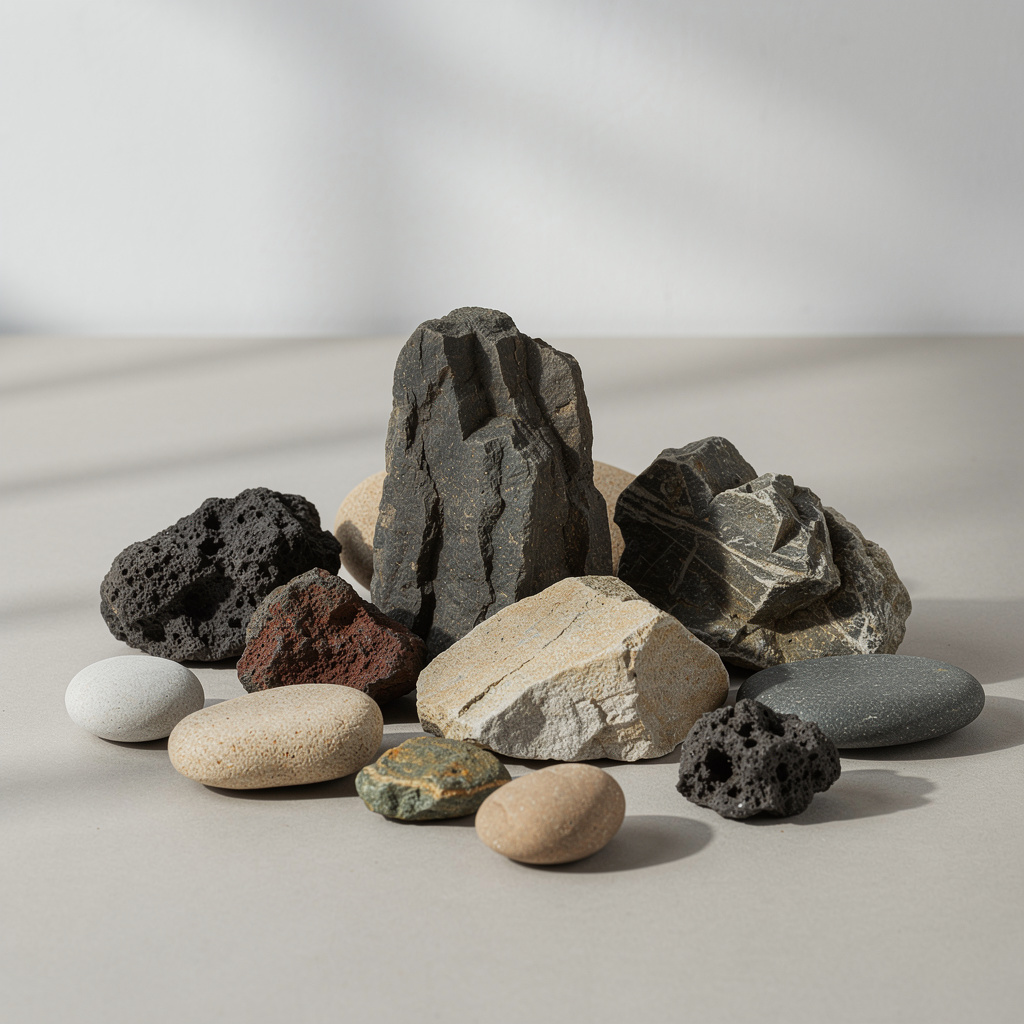
Aquarium rocks and stones do more than fill space. They shape the look of a tank, help build caves and ledges, and can create a safer, more natural layout for fish that like cover. Some pieces are smooth and rounded, while others are jagged or layered. Some stay neutral in water, and some can change hardness or pH. That means the right pick is not only about color or style. It is also about how the stone behaves once it is in the tank.
For dog gear shoppers, the same careful buying habits apply here: you want a product that fits the job, is easy to maintain, and works with the rest of the setup. With aquarium rocks and stones, that means checking size, weight, surface texture, and any effect on water conditions. A stone that looks great in a photo may be too sharp for a small tank, too heavy for a thin glass floor, or too active for soft-water species.
This sub-hub helps you compare common aquarium rocks and stones in plain language. We focus on shape, stability, and care needs so you can build a layout that looks natural and stays practical. Whether you want a simple accent piece or a full hardscape, the best choice is the one that fits your tank size, your cleaning habits, and the animals that live there.
Key highlights
- Match stone to tank size
- Check for sharp edges
- Know water effect first
- Look for stable placement
How to choose (and common mistakes)
Start with the tank and the fish. Small tanks need smaller, lighter stones that will not crowd the glass or block flow. Bigger tanks can handle larger pieces, but they still need a steady base so nothing shifts when you clean. Check the surface too. Smooth stones are easier to place, while rough stone may snag nets or resting fish. Then look at the water effect. Some rocks are inert, so they stay mostly neutral. Others can raise hardness or change pH, which matters if your fish need stable water.
Common mistakes include buying by color only, choosing pieces that are too heavy, and skipping the rinse test. Another big one is stacking stones without a solid base. If the layout can tip, it can scare fish and stress the tank. Choose pieces that fit together well, and leave space for water flow and easy cleaning.
⚡ Quick Picks: Aquarium Rocks & Stones
Three strong options to start with. Pick one that matches your goal, then jump to the guides below.

ChaoLeHo Seiryu Aquarium Stones
Natural Seiryu stones ranging from 2 to 7 inches, weighing 10 pounds total. Suitable for use in aquariums, terrariums, vivariums, reptile enclosures, paludariums, and gardens.

Korvuli Dragon Stone Aquarium Rocks
Set of natural aquarium stones weighing 3 lb, with sizes ranging from 2 to 6 inches. Features a porous texture and organic contours suitable for aquascaping.

ChaoLeHo Seiryu Aquarium Stones
Natural hardscape stones ranging from 2 to 6 inches, weighing 5 pounds. Suitable for aquariums, fish tanks, bonsai, terrariums, wargaming dioramas, and indoor or outdoor gardens.
Carefully selected Aquarium Rocks & Stones tested for quality and value by PetGearAdvisor experts.
Related Topics

Aquarium Backgrounds

Aquarium Caves & Hiding Spots
Artificial Aquarium Plants
Latest Guides
New guides are on the way — check back soon.
How We Choose & Recommend
Short, practical guidance first—then product picks when you are ready.
- We compare features and real-world use cases for Aquarium Rocks & Stones.
- We scan user feedback for patterns (not one-off opinions).
- We call out trade-offs so you can pick confidently.
FAQ
What makes a stone safe for an aquarium?
A safe stone has stable shape, clean surfaces, and no obvious crumbling edges. It should fit your tank size and sit flat so it does not roll. Many keepers also look for rocks that do not change pH or hardness unless that is the goal. Rinse it well, inspect sharp spots, and avoid pieces with loose layers.
How do I know if a rock will change water conditions?
Look for product notes about calcium, limestone, or mineral content. Those materials can raise hardness and push pH upward, which affects many freshwater setups. If the label is unclear, use a small test first in a bucket of tank water. Check the water after a day, then compare before and after readings.
What size stones work best in small tanks?
Small tanks usually do best with compact stones that leave open swimming space. Choose pieces that do not crowd the filter intake or touch the glass walls. A few medium accents often look better than one oversized rock. Keep the layout low and stable, and avoid tall stacks that can tip during maintenance.
Should aquarium rocks be smooth or rough?
Both can work, but the best choice depends on the tank use. Smooth stones are easier to clean and safer near active fish. Rough stones can add texture and natural hiding spots, but they may trap debris or catch fins if the edges are sharp. Run a finger over the surface and reject any piece that feels risky.
How should I clean aquarium stones before use?
Start with a plain-water rinse to remove dust and loose grit. Use a soft brush on crevices, but skip soap and household cleaners, since they can leave residue. If the stone is porous, rinse until the water runs clear. Then place it in the tank and watch for clouding, floating bits, or unwanted color bleed.
How do I build a stable rock layout?
Set the biggest pieces on the bottom and press them into a flat base. Do not balance heavy stones on top of small ones. Leave a little space around each piece for water movement and cleaning tools. If the rock stack feels shaky, rebuild it before adding fish. Try a gentle nudge test and fix any wobble.
Related in this hub
🐾 Our Top 3 Aquarium Rocks & Stones
ChaoLeHo Seiryu Aquarium Stones
Natural Seiryu stones ranging from 2 to 7 inches, weighing 10 pounds total. Suitable for use in aquariums, terrariums, vivariums, reptile enclosures, paludariums, and gardens.
Korvuli Dragon Stone Aquarium Rocks
Set of natural aquarium stones weighing 3 lb, with sizes ranging from 2 to 6 inches. Features a porous texture and organic contours suitable for aquascaping.
ChaoLeHo Seiryu Aquarium Stones
Natural hardscape stones ranging from 2 to 6 inches, weighing 5 pounds. Suitable for aquariums, fish tanks, bonsai, terrariums, wargaming dioramas, and indoor or outdoor gardens.
Carefully selected Aquarium Rocks & Stones tested for quality and value by PetGearAdvisor experts.