
PetGearAdvisor
Choose a Carrier That Fits Your Pet
Learn what makes a small animal carrier safe, comfy, and easy to use. This guide keeps the choices simple so you can match the right carrier to your pet's size and routine.
- Updated for 2026
- Source-backed comparisons
- Reader-first buying guides
- Transparent affiliate disclosure
Last updated:
Small animal carriers do more than move a pet from one place to another. They shape how secure, calm, and supported your pet feels on the way to the vet, around the house, or during a short trip. A good carrier should fit the animal well, allow fresh air in, and close in a way that feels solid in your hands.
Because "small animal" can mean many pets, the best carrier depends on the species and the trip. A rabbit may need a wider floor and steady base. A guinea pig may need more room to sit low and turn. A hamster or similar tiny pet may need close control, smooth surfaces, and strong latches. The right pick is less about looks and more about fit, airflow, cleaning, and how easy it is to carry.
This hub helps you compare common carrier styles in plain language. You will see what each type is best for, which features matter most, and where shoppers often go wrong. That makes it easier to choose a carrier that works for daily use, quick visits, and the budget you already have in mind.
What you’ll get here
- Clear carrier type comparisons
- Fit tips by small pet
- Feature checks that matter
- Common mistakes to avoid
How to start (simple plan)
This section focuses on small animal carriers.
Start with your pet's size and the trip length. For a short vet ride, a simple soft-sided or hard-sided carrier may work well if it gives enough floor space and secure vents. For a pet that shifts around a lot, a carrier with a firm base and strong door latch can feel steadier.
Then look at the details that affect daily use. Check the opening style, handle comfort, ventilation holes or mesh panels, and how easy the inside is to wipe clean. If you plan to use the carrier often, test whether the door opens wide enough for quick loading and whether the latch closes without forcing.
A common mistake is buying by outer size only. Some carriers look roomy but waste space with thick walls or a curved shape that cuts into the usable floor. Another mistake is skipping airflow and closure checks. A carrier should feel secure, stay closed, and give your pet enough fresh air for the whole trip.
⚡ Quick Picks: Small Animal Carriers
Three strong options to start with. Pick one that matches your goal, then jump to the guides below.
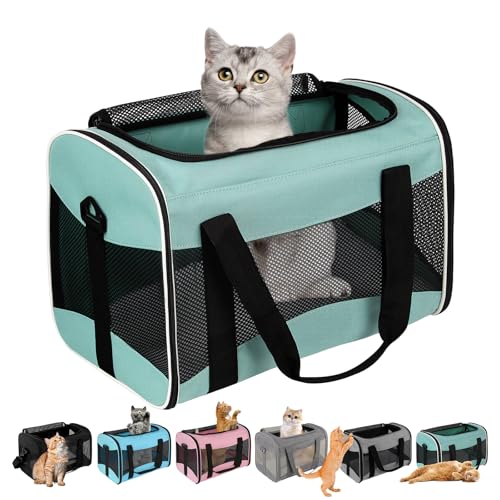
Cat Dog Soft-Sided Carrier
This soft-sided pet carrier measures 17x11x11 inches and is suitable for cats and small dogs up to 16 lbs. It is collapsible and designed to fit under most airline seats, meeting TSA requirements for travel.
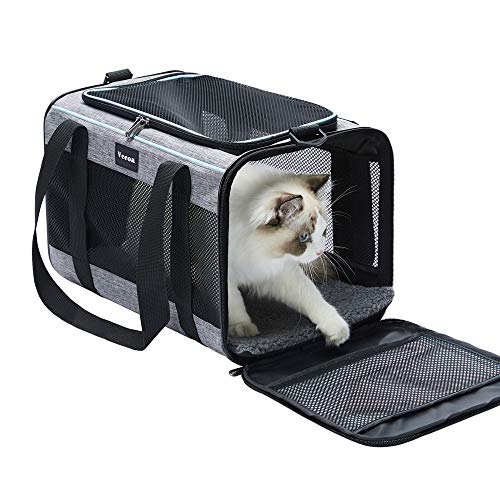
Vceoa 17.5x11x11 Pet Carrier
A pet carrier measuring 17.5 by 11 by 11 inches, suitable for fitting under most airline seats. Users should check specific airline regulations before travel.

MuchL Soft-Sided Cat Carrier
This lightweight cat carrier features waterproof polyester fabric and four-sided mesh panels for ventilation. It includes a wooden padding board and is airline approved, suitable for small pets.
Carefully selected Small Animal Carriers tested for quality and value by PetGearAdvisor experts.
Choose Your Next Step
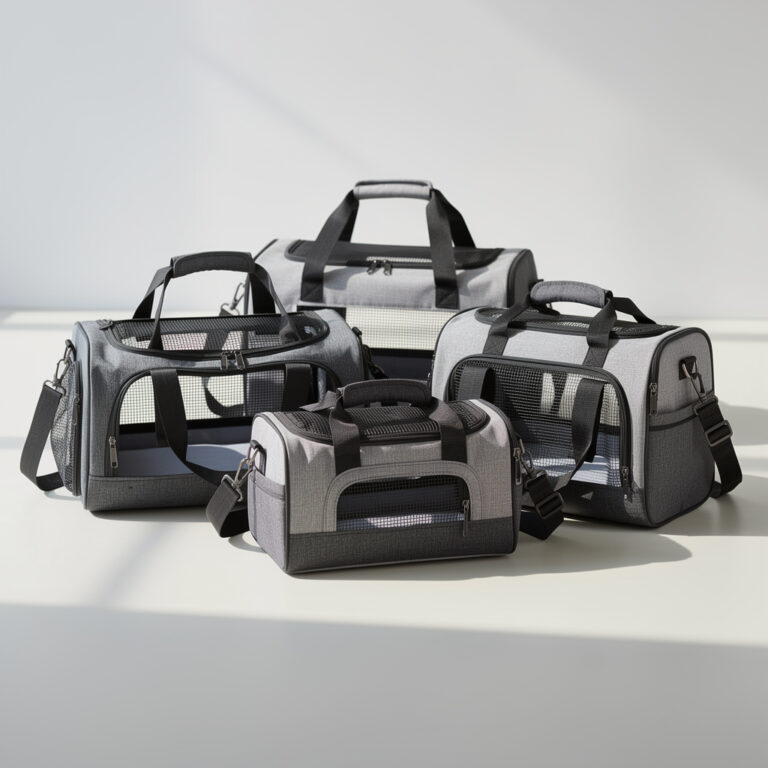
Soft carriers for lighter trips
Best when packability and easy storage matter most.
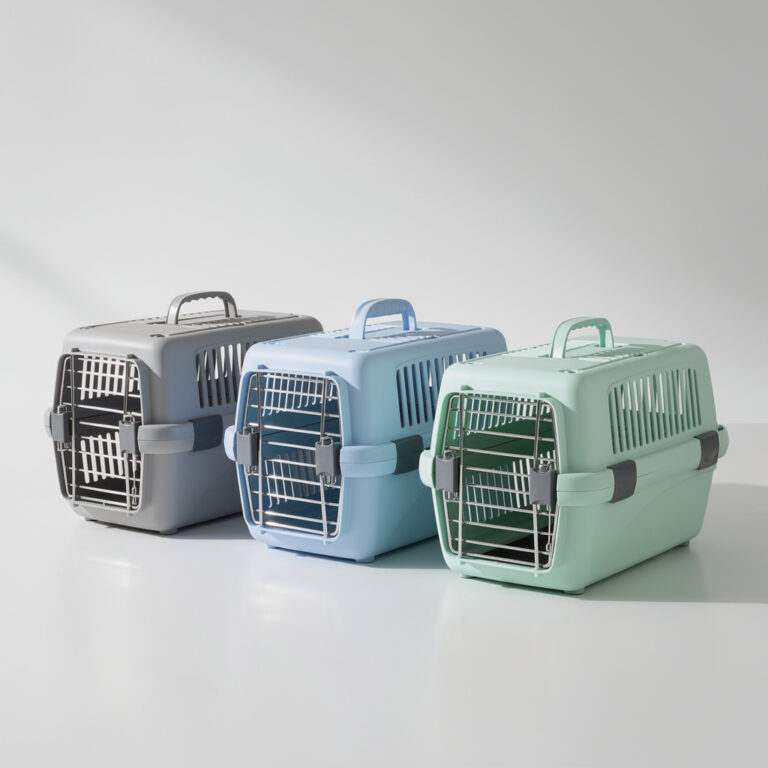
Hard carriers for firmer support
Helpful for pets that need a solid base and secure shell.
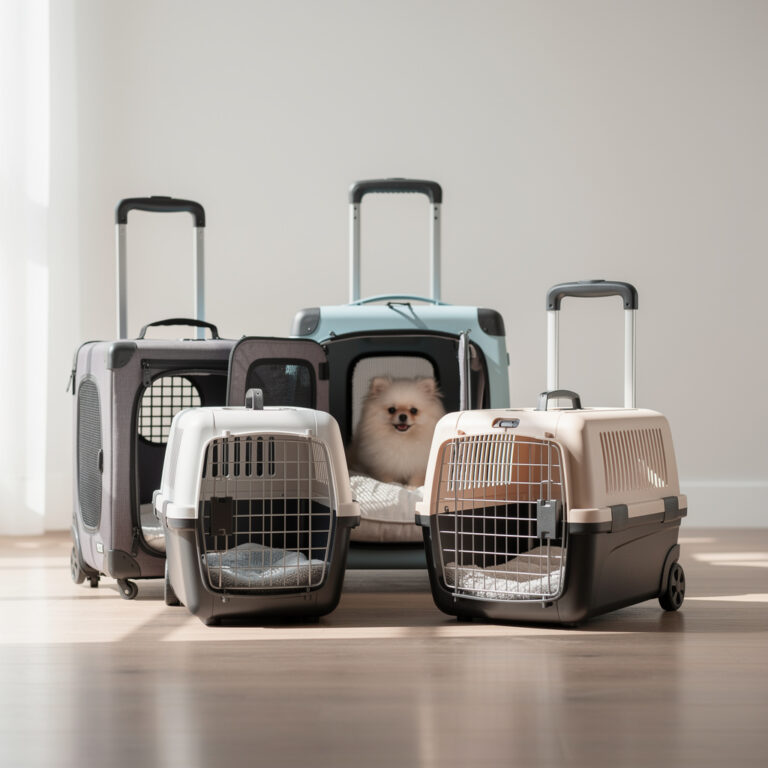
Rolling carriers for easier carrying
Useful when the carrier feels heavy over longer walks.
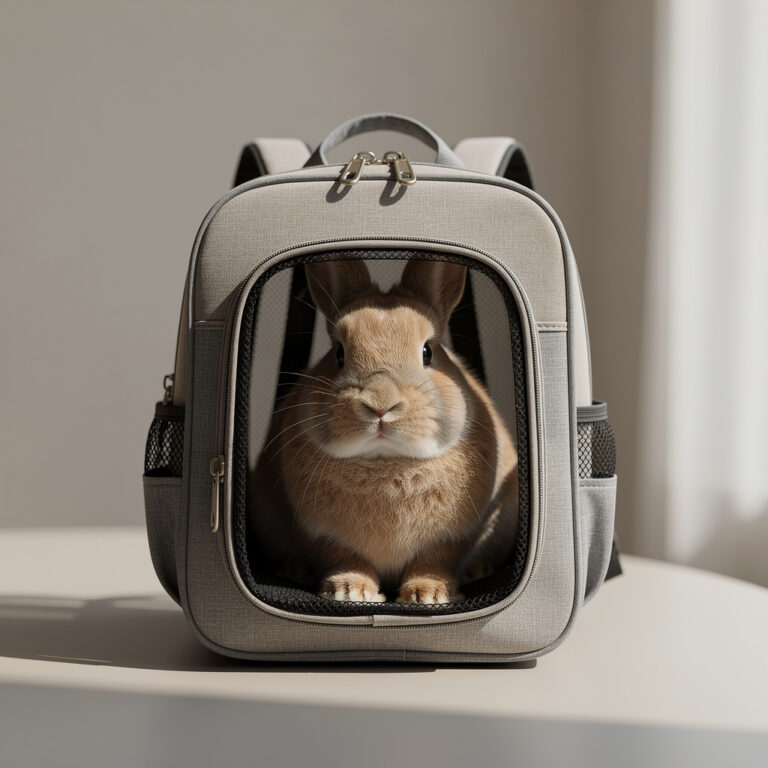
Backpack carriers for hands-free travel
A fit option for short, controlled trips with smaller pets.
Pick the Right Path Fast
- If you want: Best when packability and easy storage matter most. Start with: Soft carriers for lighter trips →
- If you want: Helpful for pets that need a solid base and secure shell. Start with: Hard carriers for firmer support →
- If you want: Useful when the carrier feels heavy over longer walks. Start with: Rolling carriers for easier carrying →
Latest Guides
New guides are on the way — check back soon.
How We Choose & Recommend
Short, practical guidance first—then product picks when you are ready.
- We compare features and real-world use cases for Small Animal Carriers.
- We scan user feedback for patterns (not one-off opinions).
- We call out trade-offs so you can pick confidently.
FAQ
What is a small animal carrier for?
A small animal carrier is a portable container for moving pets like rabbits, guinea pigs, hamsters, and other small animals. It should give enough floor space, a secure door or top opening, and steady airflow. Use it for vet visits, short car rides, or temporary housing during cleaning.
How do I choose the right size?
Measure your pet from nose to the base of the tail, then compare that to the carrier's usable floor length. Add room for turning and a low resting posture, especially for rabbits or guinea pigs. A carrier with thick walls may look large outside but still feel tight inside.
Which features matter most for everyday use?
Focus on a firm bottom, secure latches, and clear ventilation openings. A wide door or top opening makes loading easier, while a wipeable liner helps after accidents or spilled hay. If you use a car seat or stroller, check the handle placement and overall shape too.
What are common mistakes shoppers make?
One common mistake is choosing style over fit, especially when a carrier has curved sides that reduce the floor area. Another is ignoring closure quality, like weak snaps or zippers that can gap. Some buyers also miss how hard the inside is to clean after bedding, droppings, or fur.
How can I help my pet feel better inside the carrier?
Start with a familiar towel, fleece pad, or a bit of bedding from home so the floor feels less strange. Keep the carrier low, stable, and out of direct sun. For longer trips, a top-opening design can make loading calmer than forcing your pet through a narrow front door.
What is the best carrier type for short trips?
For short trips, a soft carrier can work well if it has firm sides, a strong zipper, and mesh panels that hold their shape. A hard plastic carrier is also a good choice when you want a washable shell and a more rigid base. Pick the one that fits your pet's size and your carrying style.
How do I get the most value from a carrier?
Choose a carrier that fits more than one task, such as vet trips, temporary housing, and easy storage. Look for removable liners, smooth corners, and a door that opens wide enough for quick loading. A well-sized carrier that cleans easily usually stays useful far longer than a flashy one.
🐾 Our Top 3 Small Animal Carriers
Cat Dog Soft-Sided Carrier
This soft-sided pet carrier measures 17x11x11 inches and is suitable for cats and small dogs up to 16 lbs. It is collapsible and designed to fit under most airline seats, meeting TSA requirements for travel.
Vceoa 17.5x11x11 Pet Carrier
A pet carrier measuring 17.5 by 11 by 11 inches, suitable for fitting under most airline seats. Users should check specific airline regulations before travel.
MuchL Soft-Sided Cat Carrier
This lightweight cat carrier features waterproof polyester fabric and four-sided mesh panels for ventilation. It includes a wooden padding board and is airline approved, suitable for small pets.
Carefully selected Small Animal Carriers tested for quality and value by PetGearAdvisor experts.