
PetGearAdvisor
Smarter feeding tools for small pets, made simple
Learn which feeding tools fit your pet’s routine and bowl setup. This guide makes it easy to compare options without guesswork.
- Updated for 2026
- Source-backed comparisons
- Reader-first buying guides
- Transparent affiliate disclosure
Last updated:
Small animal feeding tools may look simple, but the right choice can make daily care much easier. Whether you feed pellets, hay, fresh food, or a mix of all three, the best tools help you portion food cleanly, reduce waste, and keep mealtime neat.
For pet owners, the main challenge is not finding a feeding tool. It is finding one that matches the animal, the enclosure, and the way food is offered. A spoon that works for a rabbit may feel clumsy for a hamster. A scoop that fits a wide bowl may spill in a narrow feeder. Small details like shape, depth, handle length, and material matter more than they first seem.
PetGearAdvisor focuses on plain-language comparisons, so you can sort through feeders, bowls, scoops, and water dishes with less second-guessing. We look at real product specs, documented reviews, and buyer feedback to explain what each item does well, where it may fall short, and which pets it suits best. That makes it easier to choose feeding tools that fit your routine, your space, and your budget.
This hub is built for quick comparison and practical planning. You will find the key features to watch, common mistakes to avoid, and simple ways to get more from the feeding tools you already own. The goal is not fancy gear. It is dependable, easy feeding day after day.
What you’ll get here
- Clear picks by feeding style
- Simple feature comparison points
- Tips for cleaner mealtimes
How to start (simple plan)
Start by matching the tool to the food and the pet. A small spoon or scoop works well for pellets and seeds. A wider bowl may suit fresh food or mixed rations. If you feed hay, look for a feeder that keeps it dry and easy to reach.
Next, check size and shape. The tool should fit inside the enclosure or sit safely beside it. Smooth edges are easier to clean, and a stable base helps stop tipping. For water dishes, low sides and a heavy build can reduce spills.
A common mistake is buying a tool that looks neat but does not match the animal’s mouth, paws, or cage space. Another is choosing a material that stains, cracks, or holds odor. The best starting plan is simple: pick one feeding setup, test it for a week, and notice how much mess, waste, and refilling it creates.
⚡ Quick Picks: Small Animal Feeding Tools
Three strong options to start with. Pick one that matches your goal, then jump to the guides below.

Stainless Steel Reptile Feeding Tongs, 2-Pack
This set includes two 10.6-inch stainless steel feeding tongs with rubber tips, featuring one straight and one curved tweezer. They are designed for feeding reptiles such as beard dragons, lizards, and snakes.

Mini Dustpan, Brush, and Tweezers Set
This set includes a mini dustpan and brush along with stainless steel straight and curved tweezers. Made from durable materials, the tools are suitable for handling small animals like reptiles, hamsters, and guinea pigs.

Lanjiesh Silicone Feeding Syringes and Nipples
This set includes silicone nipples and feeding syringes with a precise scale for measuring intake. The tools are suitable for feeding newborn kittens, puppies, rabbits, and other small animals.
Carefully selected Small Animal Feeding Tools tested for quality and value by PetGearAdvisor experts.
Choose Your Next Step
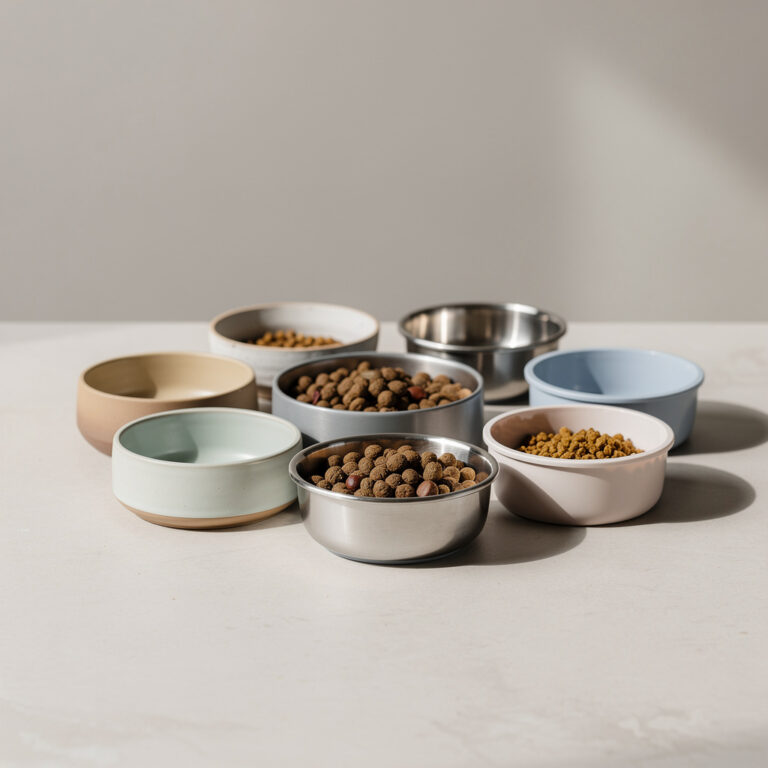
Food bowls for daily meals
Compare bowl shapes, materials, and stability for pellets, fresh food, and mixed feeding.
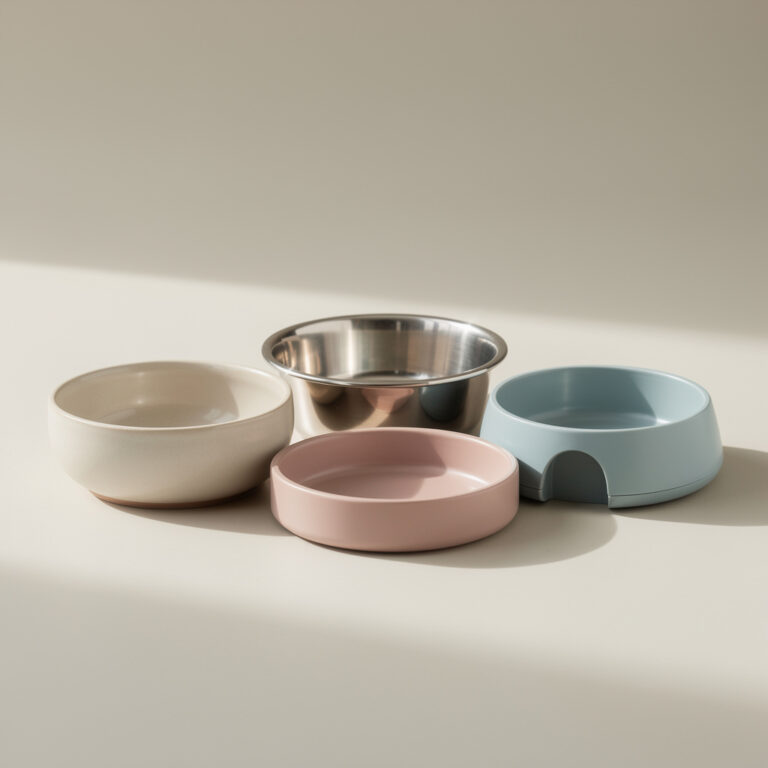
Water dishes that stay steady
See which water dishes help reduce spills and are easy to refill and clean.
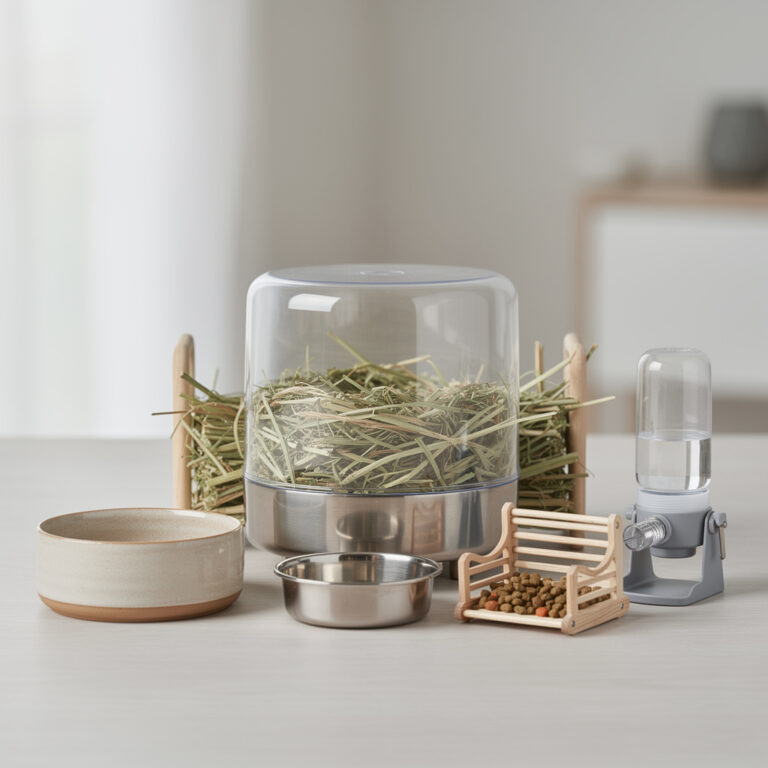
Feeders for controlled portions
Review feeder styles that help portion food and keep feeding areas tidy.
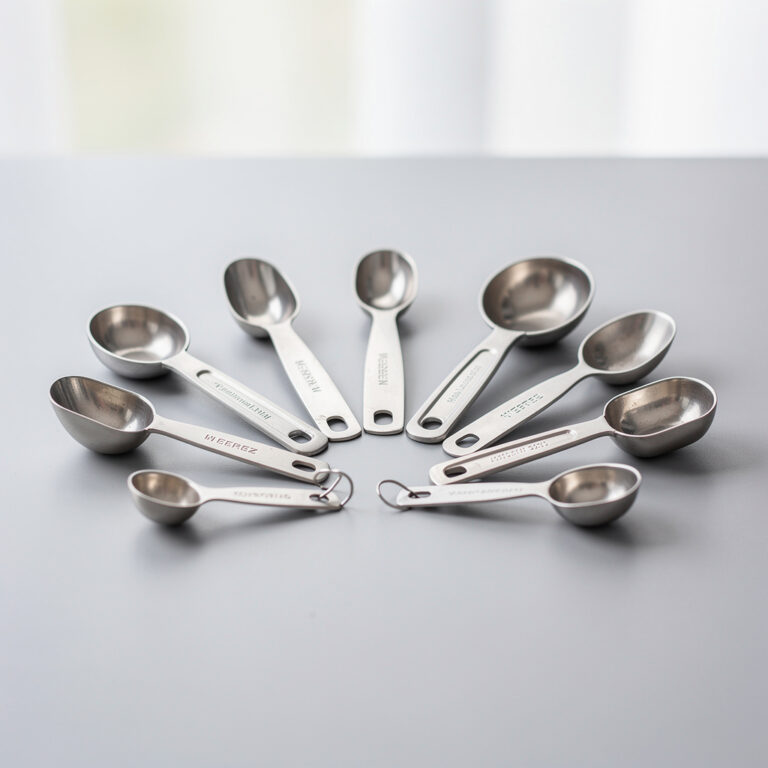
Spoons and scoops for mess-free serving
Find feeding spoons and scoops sized for quick, clean daily portioning.
Pick the Right Path Fast
- If you want: Compare bowl shapes, materials, and stability for pellets, fresh food, and mixed feeding. Start with: Food bowls for daily meals →
- If you want: See which water dishes help reduce spills and are easy to refill and clean. Start with: Water dishes that stay steady →
- If you want: Review feeder styles that help portion food and keep feeding areas tidy. Start with: Feeders for controlled portions →
Latest Guides
New guides are on the way — check back soon.
How We Choose & Recommend
Short, practical guidance first—then product picks when you are ready.
- We compare features and real-world use cases for Small Animal Feeding Tools.
- We scan user feedback for patterns (not one-off opinions).
- We call out trade-offs so you can pick confidently.
FAQ
What makes a small animal feeding tool worth choosing?
The best feeding tool fits the food and the pet. A shallow spoon works well for pellets, while a wider bowl may suit chopped vegetables or mixed meals. Look for smooth edges, a stable base, and a shape that fits the cage, tank, or feeding station without crowding it.
How do I choose the right size bowl or scoop?
Start with your pet’s meal size and the space around it. A dwarf rabbit may need a wider, low bowl, while a hamster may do better with a smaller scoop and a compact dish. Check the rim height, handle length, and whether the tool fits inside the habitat opening or feeder slot.
Which features matter most for easy cleaning?
Smooth plastic, glazed ceramic, and simple stainless steel are usually easier to rinse than textured surfaces. Look for rounded corners, no deep grooves, and parts that dry quickly. If you feed wet food or fresh produce, a dish with fewer seams will usually save time at cleanup.
What are the most common feeding tool mistakes?
A common mistake is choosing a bowl that is too deep or too light. Another is using a water dish that tips when the pet leans on it or a scoop that spills pellets over the edge. Also watch for rough surfaces, since they can trap crumbs and make daily cleaning slower.
How can I get the most from feeding spoons and scoops?
Use one scoop for dry food and another for wet food if you feed both. Keep the scoop near the storage bin so portions stay quick and even. A short handle works for small containers, while a longer handle helps reach deep bags or tubs without dumping food on the floor.
What should I look for in value for money?
Value comes from fit, durability, and how often you will replace the item. A sturdy dish that handles daily washing and does not crack easily is usually better than a flimsy one that needs replacing soon. Compare material quality, base stability, and whether one tool can handle more than one feeding task.
🐾 Our Top 3 Small Animal Feeding Tools
Stainless Steel Reptile Feeding Tongs, 2-Pack
This set includes two 10.6-inch stainless steel feeding tongs with rubber tips, featuring one straight and one curved tweezer. They are designed for feeding reptiles such as beard dragons, lizards, and snakes.
Mini Dustpan, Brush, and Tweezers Set
This set includes a mini dustpan and brush along with stainless steel straight and curved tweezers. Made from durable materials, the tools are suitable for handling small animals like reptiles, hamsters, and guinea pigs.
Lanjiesh Silicone Feeding Syringes and Nipples
This set includes silicone nipples and feeding syringes with a precise scale for measuring intake. The tools are suitable for feeding newborn kittens, puppies, rabbits, and other small animals.
Carefully selected Small Animal Feeding Tools tested for quality and value by PetGearAdvisor experts.