
Aquarium Air Stones & Diffusers
Simple picks for better bubbles, less noise, and the right tank fit.
Last updated:
Quick answer
Aquarium air stones and diffusers may look small, but they can change how air moves through a tank.
- Updated for 2026
- Source-backed comparisons
- Reader-first buying guides
- Transparent affiliate disclosure
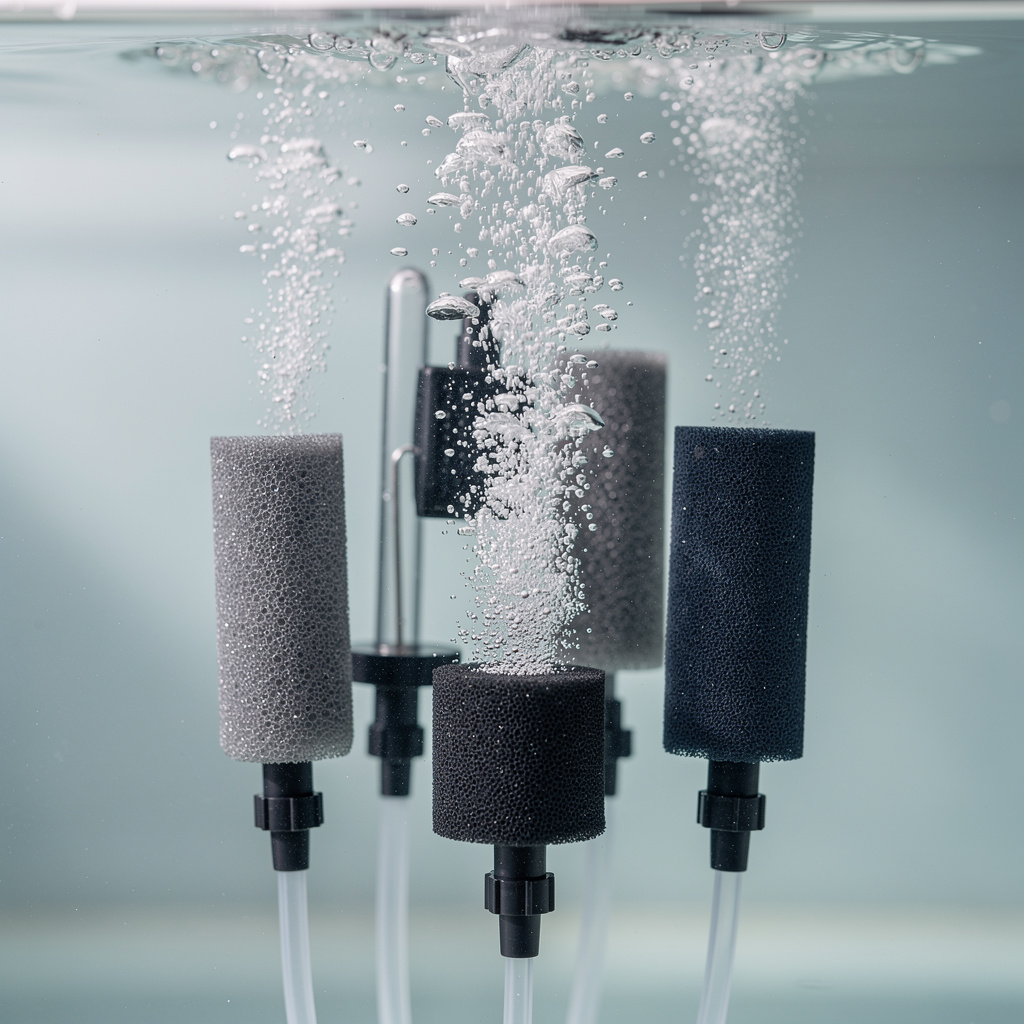
Aquarium air stones and diffusers may look small, but they can change how air moves through a tank. They break one strong stream of air into many tiny bubbles, which helps spread circulation more evenly. That can make the setup look cleaner, sound softer, and work better with the rest of your gear. The best choice depends on your tank size, pump strength, tubing, and where you plan to place the stone or diffuser.
Pet owners often compare these parts when they want smoother bubbling, better water movement, or a more hidden look. Some models are made for small bowls or nano tanks. Others are built for larger aquariums with stronger pumps and longer run times. The shape matters too. A round stone, a long wand, or a disk-style diffuser can all release air in different patterns. If the bubbles are too large or the airflow is too weak, the part may not do much. If the airflow is too strong, it can be noisy or splash water around.
This sub-hub helps you sort the common options in plain language. You can compare how air stones and diffusers perform, what kind of pump they need, and which features are worth paying attention to. It also points out the usual mistakes, like using a diffuser that is too fine for the pump or choosing a size that does not match the tank. The goal is simple: help you pick aquarium air gear that fits the setup you already have and works the way you expect.
Key highlights
- Matches bubble size to pump power
- Helps improve tank circulation
- Useful for small and large tanks
How to choose (and common mistakes)
Start with tank size, pump output, and where the air part will sit. A small nano tank needs less airflow than a long or deep aquarium. Check the pump rating and make sure it can push air through the stone or diffuser.
Fine-pore diffusers usually need stronger pumps, while coarser stones work with lighter airflow. Also think about placement. A long wand can spread bubbles across more space, while a small disk may fit better in tight corners.
Common mistakes include buying a diffuser that clogs too fast, choosing a part that is too big for the tank, or using tubing that does not seal well. If you want a quiet setup, look for models that make smaller bubbles and stay firmly in place.
⚡ Quick Picks: Aquarium Air Stones & Diffusers
Three strong options to start with. Pick one that matches your goal, then jump to the guides below.
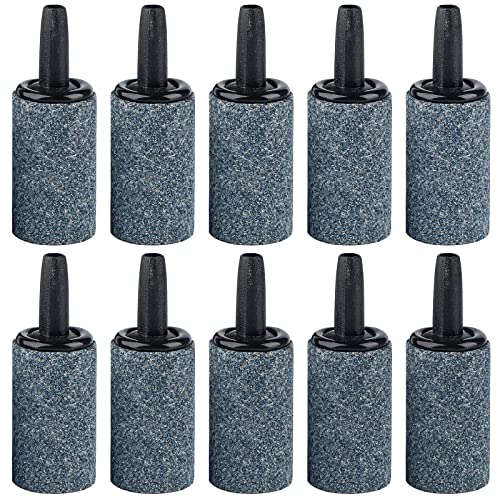
Pawfly Aquarium Air Stone 1 Inch
This pack includes ten 1-inch cylindrical air stones that produce medium-sized bubbles. They are compatible with nano air pumps and suitable for small buckets and fish tanks.

Pawfly Aquarium Air Stone Disc 4 Inch
This 4-inch air stone disc comes in a 2-pack and is compatible with air pumps over 4 W. It features a jetting volume of 12 L/min and fits tubing with an inner diameter of 3/16" or 3/8".

AQUANEAT 1-Inch Air Stones 12-Pack
Set of twelve 1-inch cylindrical air stones that produce steady, medium-sized bubbles. Suitable as accessories for aquariums, fish tanks, and hydroponic systems.
Carefully selected Aquarium Air Stones & Diffusers tested for quality and value by PetGearAdvisor experts.
Related Topics
Aquarium Water Pumps
Aquarium Air Pumps
Latest Guides
New guides are on the way — check back soon.
How We Choose & Recommend
Short, practical guidance first—then product picks when you are ready.
- We compare features and real-world use cases for Aquarium Air Stones & Diffusers.
- We scan user feedback for patterns (not one-off opinions).
- We call out trade-offs so you can pick confidently.
FAQ
What is the difference between an air stone and a diffuser?
An air stone usually spreads air through porous material that makes many small bubbles. A diffuser does the same job, but it may use a different shape, like a disk, wand, or plate, to spread air more evenly. Air stones are often simple and compact. Diffusers can cover more space and look neater in some tanks. Check your tank shape and pump strength before choosing.
How do I know what size air stone I need?
Match the air stone to the tank’s footprint and the amount of air your pump can move. A small tank can use a short stone or disk, while a larger aquarium may need a longer wand or wider diffuser. If the part is too large, airflow may be weak across the surface. Measure the space first, then compare it to the product dimensions.
Why are my bubbles large instead of fine?
Large bubbles often mean the pores are too open, the diffuser is clogged, or the pump is sending uneven air. Check the tubing for kinks, clean the stone, and make sure the pump is strong enough for that model. Some fine-pore diffusers need more pressure than basic pumps can provide. If bubbles stay large after cleaning, choose a less restrictive design.
How often should I clean an air stone or diffuser?
Clean it when airflow drops, bubbles get uneven, or the surface looks crusted. Many owners rinse the part in aquarium-safe water and use a soft brush for buildup. Some clog faster if the water has more minerals or debris. Do not scrub too hard or use harsh cleaners. Watch the bubble pattern, check the flow, and clean before the output falls off too much.
Can I use one air pump for more than one diffuser?
Yes, if the pump has enough output for both lines. Use a splitter and make sure each branch gets steady air. Long tubing runs and fine-pore diffusers reduce airflow, so the pump must be able to handle the load. If one side bubbles well and the other does not, the setup is too demanding. Compare total airflow needs before adding more outlets.
Where should I place the air stone in the tank?
Place it where the bubbles can move water without blasting fish or decorations. Many people put it low in the tank so bubbles rise through more water, but it should still be easy to reach for cleaning. Keep it away from gravel that can clog the pores. Before you finish, check the bubble path, the cord route, and the stability of the base.
Related in this hub
🐾 Our Top 3 Aquarium Air Stones & Diffusers
Pawfly Aquarium Air Stone 1 Inch
This pack includes ten 1-inch cylindrical air stones that produce medium-sized bubbles. They are compatible with nano air pumps and suitable for small buckets and fish tanks.
Pawfly Aquarium Air Stone Disc 4 Inch
This 4-inch air stone disc comes in a 2-pack and is compatible with air pumps over 4 W. It features a jetting volume of 12 L/min and fits tubing with an inner diameter of 3/16" or 3/8".
AQUANEAT 1-Inch Air Stones 12-Pack
Set of twelve 1-inch cylindrical air stones that produce steady, medium-sized bubbles. Suitable as accessories for aquariums, fish tanks, and hydroponic systems.
Carefully selected Aquarium Air Stones & Diffusers tested for quality and value by PetGearAdvisor experts.