
PetGearAdvisor
Find the cage that fits your pet best
Learn what matters most in small animal cages, from size to cleaning. This guide keeps the choices simple and practical.
- Updated for 2026
- Source-backed comparisons
- Reader-first buying guides
- Transparent affiliate disclosure
Last updated:
Small animal cages do a lot of work. They shape daily comfort, help keep food and bedding in place, and make cleaning easier or harder every week. The best cage is not just the one that looks tidy in a photo. It is the one that fits the animal's size, species, habits, and the space you have at home.
For pet owners, the tricky part is sorting useful details from marketing claims. One cage may have good airflow but narrow doors. Another may look roomy but waste space with a deep base and low headroom. Wire, plastic, modular, and glass-style habitats each bring different strengths, and each comes with trade-offs. A good comparison starts with the animal itself: how big it is, how much it climbs, how much bedding it needs, and how often you want to spot-clean.
This hub helps you compare small animal cages in plain language. PetGearAdvisor turns product specs, buyer feedback, and documented reviews into simple buying guidance, so you can focus on the parts that really matter: safe bar spacing, practical access, solid latches, easy cleanup, and a layout that supports your pet's routine. Whether you are shopping for a hamster, guinea pig, rat, or other small pet, the right cage should make care simpler, not more complicated.
What you’ll get here
- Clear cage types and trade-offs
- Size, spacing, and access basics
- Cleanup and bedding fit tips
- Common mistakes to avoid
How to start (simple plan)
This section focuses on small animal cages.
Start with the animal, not the cage style. A hamster, guinea pig, rat, or chinchilla needs different space, ventilation, and floor design. Measure the pet's current size, then check the cage's interior length, width, and usable height. Look at door size too, because a wide opening makes feeding, cleaning, and handling much easier.
Next, compare the practical features. Bar spacing should match the pet's size. A deep base helps hold bedding, while a front door or top access can make daily care simpler. If you want a wire cage, check the tray depth and latch strength. If you want plastic or glass-style housing, pay close attention to airflow and how easy it is to wipe down.
A common mistake is buying for looks alone. Another is overlooking the space needed for bedding, hides, and food dishes. The best first pick is usually the cage that gives enough room, safe access, and easy cleaning without extra parts you will not use.
⚡ Quick Picks: Small Animal Cages
Three strong options to start with. Pick one that matches your goal, then jump to the guides below.

20 Planes Enclosed Guinea Pig Cage
This cage features a fully enclosed design with 0.6'' metal wire mesh and includes a door and a waterproof liner. It is expandable and can be used as a yard fence for rabbits or guinea pigs.
Deluxe Two-Tier Small Animal Cage
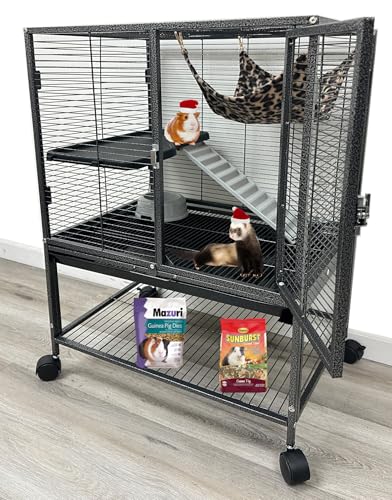
This cage measures 24 inches long, 17.5 inches wide, and 34 inches high on a rolling stand. It features 1/2-inch bar spacing, two tiers, a water bottle, food bowl, a hammock, and a pull-out grate tray for easy cleaning.

3-Level Collapsible Metal Travel Cage
This portable metal travel cage features three levels and narrow 3/8-inch wire spacing to help prevent escapes for small animals like ferrets, chinchillas, and rats. It is collapsible and easy to set up without tools.
Carefully selected Small Animal Cages tested for quality and value by PetGearAdvisor experts.
Choose Your Next Step
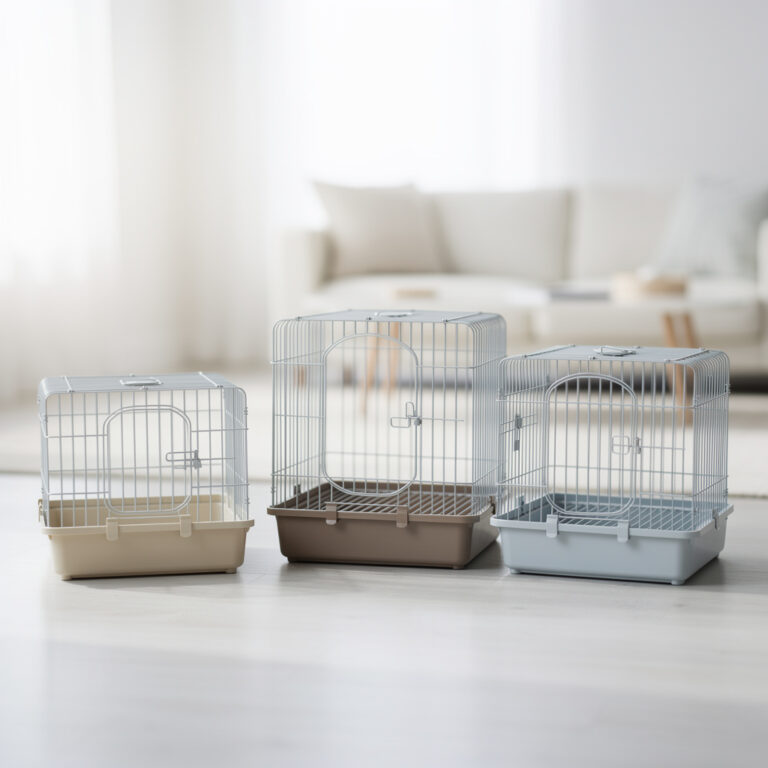
Wire Cage Basics
Best for airflow, visibility, and add-on accessories.
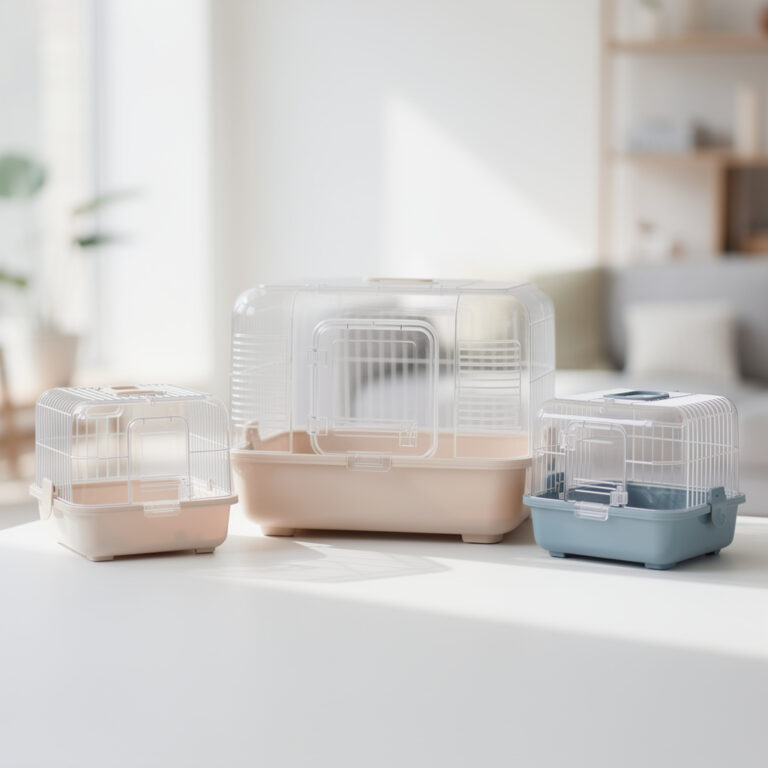
Plastic Cage Basics
Good for simple cleaning and solid walls.
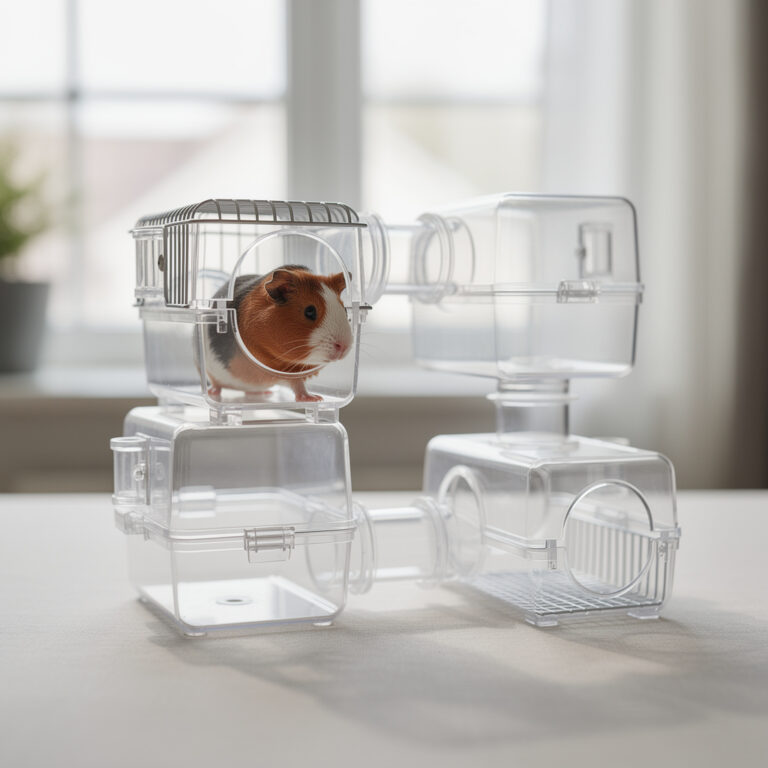
Modular Habitat Basics
Useful when you want a flexible layout.
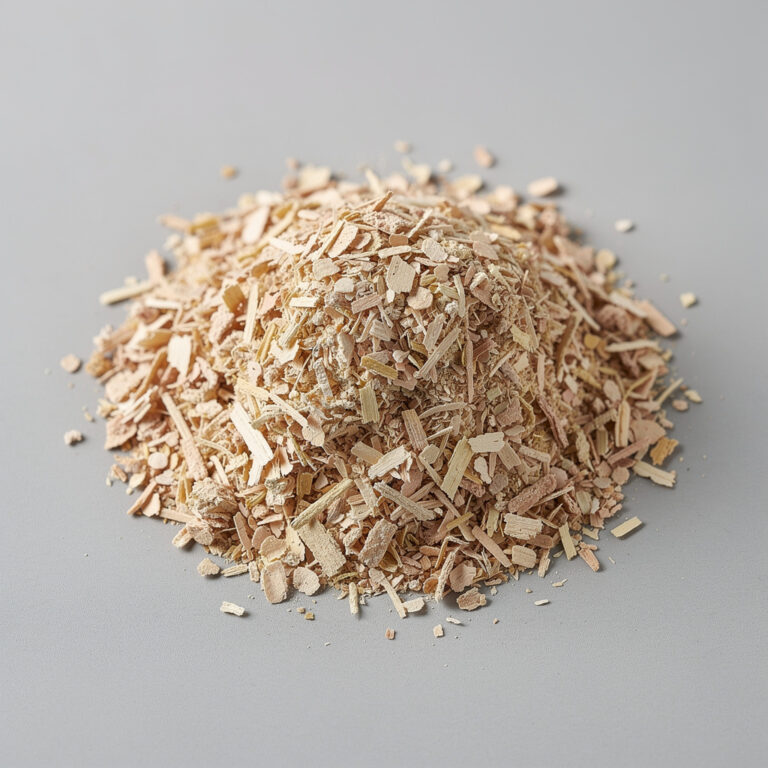
Bedding Choices That Fit Cages
Choose bedding that supports depth and cleanup.
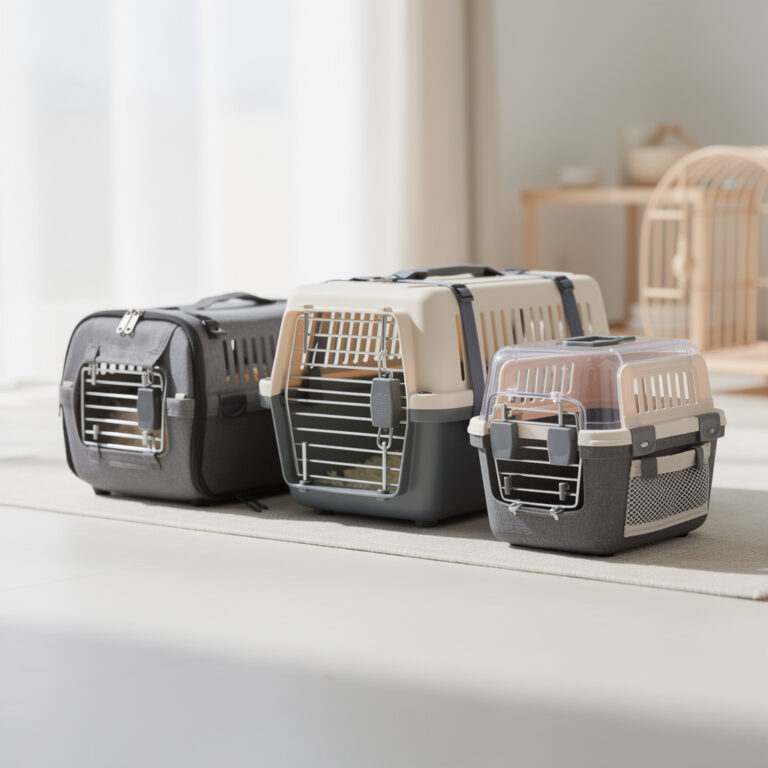
Carrier Options for Small Pets
Helpful for trips, checkups, and moving safely.
Pick the Right Path Fast
- If you want: Best for airflow, visibility, and add-on accessories. Start with: Wire Cage Basics →
- If you want: Good for simple cleaning and solid walls. Start with: Plastic Cage Basics →
- If you want: Useful when you want a flexible layout. Start with: Modular Habitat Basics →
Latest Guides
New guides are on the way — check back soon.
How We Choose & Recommend
Short, practical guidance first—then product picks when you are ready.
- We compare features and real-world use cases for Small Animal Cages.
- We scan user feedback for patterns (not one-off opinions).
- We call out trade-offs so you can pick confidently.
FAQ
What is a small animal cage for, and who needs one?
A small animal cage is the main living space for pets like hamsters, guinea pigs, rats, and similar companions. It should hold bedding, a food dish, a water dish, and hiding spots without feeling cramped. Look for enough floor space, safe openings, and a layout that matches the animal's size and activity level.
How do I choose the right cage size?
Start with the pet's adult size and the room you can spare at home. Compare interior length, width, and usable height, not just the box size. A guinea pig needs more floor room, while a climbing pet may need taller space and sturdy platforms. If the habitat cannot fit a water bottle, hide, and bowl with extra room, it is probably too tight.
What features matter most in small animal cages?
Focus on bar spacing, door size, tray depth, and airflow. Bar spacing needs to match the pet so it cannot squeeze through. A wide front door helps with bedding changes and dish refills, while a deep base keeps litter or bedding inside. Good airflow is especially helpful in wire or hybrid cages.
What are the common pitfalls when buying a cage?
A big mistake is choosing a cage that looks spacious but wastes usable floor space with bulky frames or steep ramps. Another is overlooking latch quality, which can make daily use frustrating. Also check whether the bottom tray is removable and whether the pet can reach food and water without awkward climbing.
How do I get the most from a small animal cage?
Set it up with the pet's routine in mind. Place the food dish where it will not tip, keep the water dish easy to reach, and use bedding deep enough for nesting or digging if the species needs it. Add one hideout and one clear open area so the pet can rest and move comfortably.
Is a wire, plastic, or modular cage better?
It depends on the pet and your cleaning style. Wire cages usually give strong airflow and easy add-on options, while plastic cages can be simpler to wipe down and better at holding mess inside. Modular habitats can work well when you want a flexible layout, but they may need more checking for tight connections and door access.
🐾 Our Top 3 Small Animal Cages
20 Planes Enclosed Guinea Pig Cage
This cage features a fully enclosed design with 0.6'' metal wire mesh and includes a door and a waterproof liner. It is expandable and can be used as a yard fence for rabbits or guinea pigs.
Deluxe Two-Tier Small Animal Cage
This cage measures 24 inches long, 17.5 inches wide, and 34 inches high on a rolling stand. It features 1/2-inch bar spacing, two tiers, a water bottle, food bowl, a hammock, and a pull-out grate tray for easy cleaning.
3-Level Collapsible Metal Travel Cage
This portable metal travel cage features three levels and narrow 3/8-inch wire spacing to help prevent escapes for small animals like ferrets, chinchillas, and rats. It is collapsible and easy to set up without tools.
Carefully selected Small Animal Cages tested for quality and value by PetGearAdvisor experts.