
Aquarium Power Filters Made Simple
Find a filter that fits your tank, fish, and upkeep.
Last updated:
Quick answer
Aquarium power filters do more than push water around.
- Updated for 2026
- Source-backed comparisons
- Reader-first buying guides
- Transparent affiliate disclosure
Aquarium power filters do more than push water around. They help pull waste from the tank, keep debris moving through the media, and give helpful bacteria a place to grow. For most aquarium owners, the real challenge is not finding a filter at all. It is finding one that matches the tank’s size, the fish inside it, and how much noise or cleaning you can handle.
A good power filter should fit the tank rim, move enough water for the stocking level, and leave room for the right media mix. A small, lightly stocked tank may only need gentle circulation, while a busy community tank often needs stronger turnover and more space for mechanical and biological media. Shape matters too. A wide tank, a tall tank, and a planted tank can all need different flow patterns even if the gallon count looks similar.
This sub-hub helps you compare aquarium power filters in plain language. You can scan for flow rating, media space, intake style, and setup details without digging through jargon. We also point out common problems like splashy returns, hard-to-reach cartridges, and filters that are too strong for delicate fish. The goal is simple: help you choose a filter that keeps water moving, stays easy to maintain, and fits the way your tank actually runs.
Key highlights
- Match flow to tank size
- Check media space and access
- Watch for noisy water return
- Fit matters as much as power
How to choose (and common mistakes)
Start with your tank’s gallon size, then check the filter’s rated flow and recommended range. That gives you a starting point, not the full answer. A crowded tank, messy eaters, or a long aquarium may need more movement than the box suggests. Delicate fish or shrimp tanks may need a gentler output. Also look at the filter’s shape, because some hang-on-back units sit poorly on rimmed tanks or lids.
Next, compare media design. A useful power filter usually makes room for mechanical media to catch debris and biological media to support bacteria. Some also allow chemical media when needed. Avoid choosing a model only because it has a big flow number. Common mistakes include ignoring splash noise, buying a cartridge that is hard to replace, and picking a filter with an intake that clogs too fast. A better choice is the one you can run, clean, and adjust without trouble.
⚡ Quick Picks: Aquarium Power Filters
Three strong options to start with. Pick one that matches your goal, then jump to the guides below.

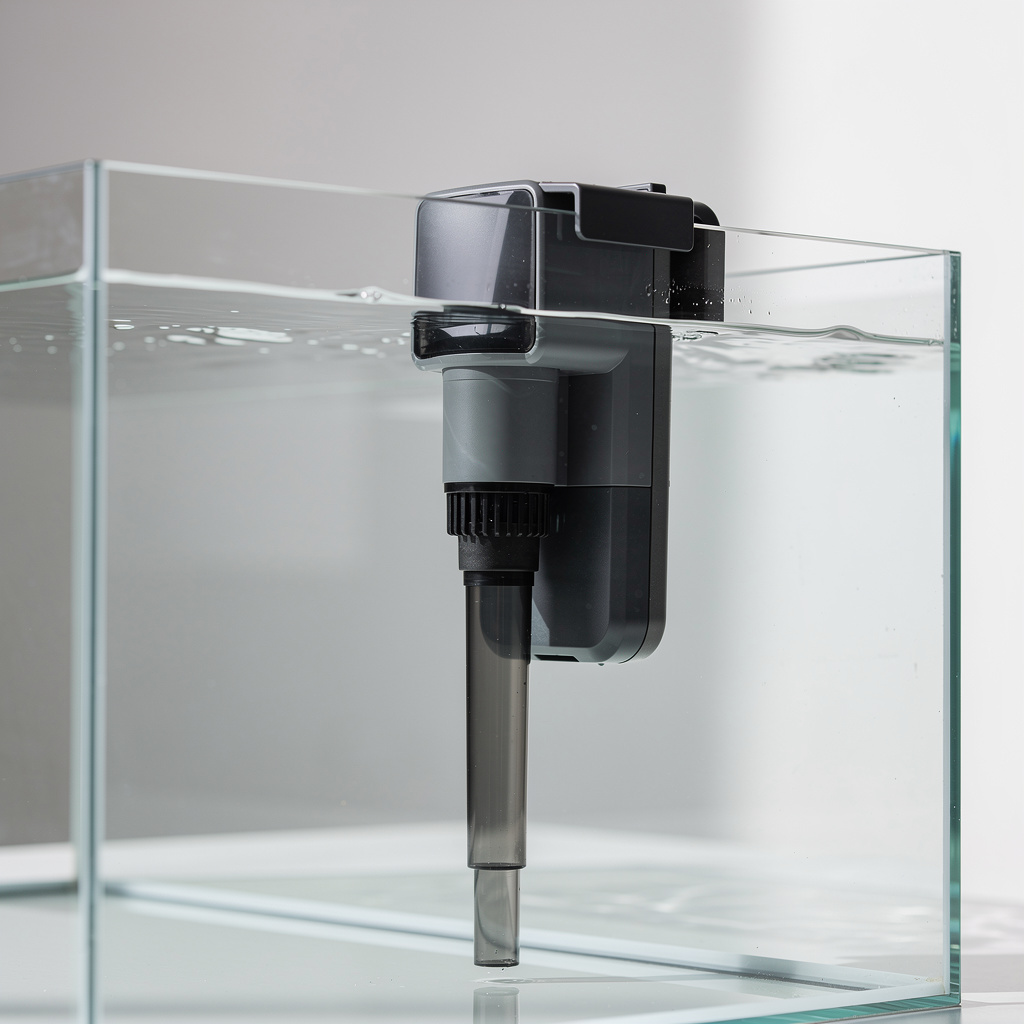
Tetra Whisper IQ 130 GPH Power Filter
This aquarium power filter features a submerged motor that starts without the need for priming.
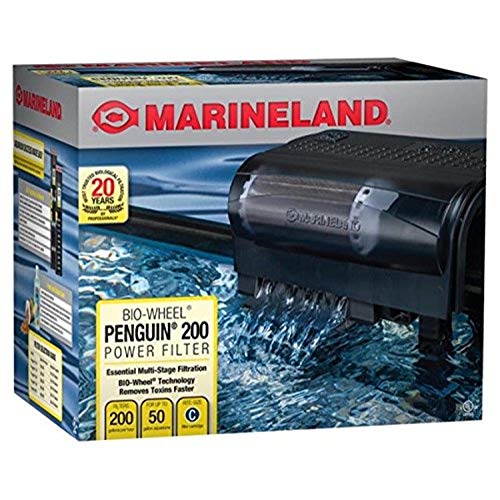
Marineland Penguin Bio-Wheel Power Filter 200 GPH
This power filter offers multi-stage filtration including mechanical, chemical, and biological processes to support aquarium water maintenance.
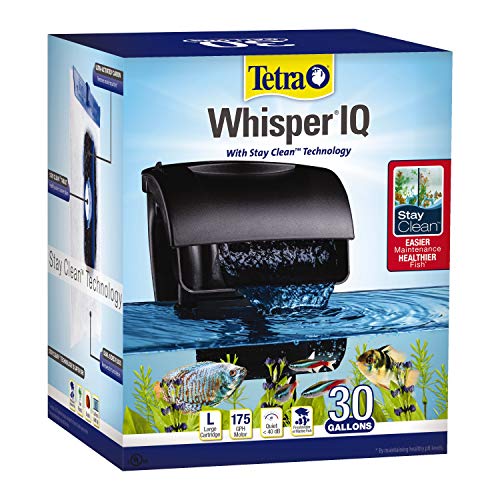
Tetra Whisper IQ Power Filter 175 GPH
This power filter features a submerged motor that starts without priming. It is designed for aquariums up to 30 gallons and includes Stay Clean Technology.
Carefully selected Aquarium Power Filters tested for quality and value by PetGearAdvisor experts.
Related Topics

Aquarium Undergravel Filters
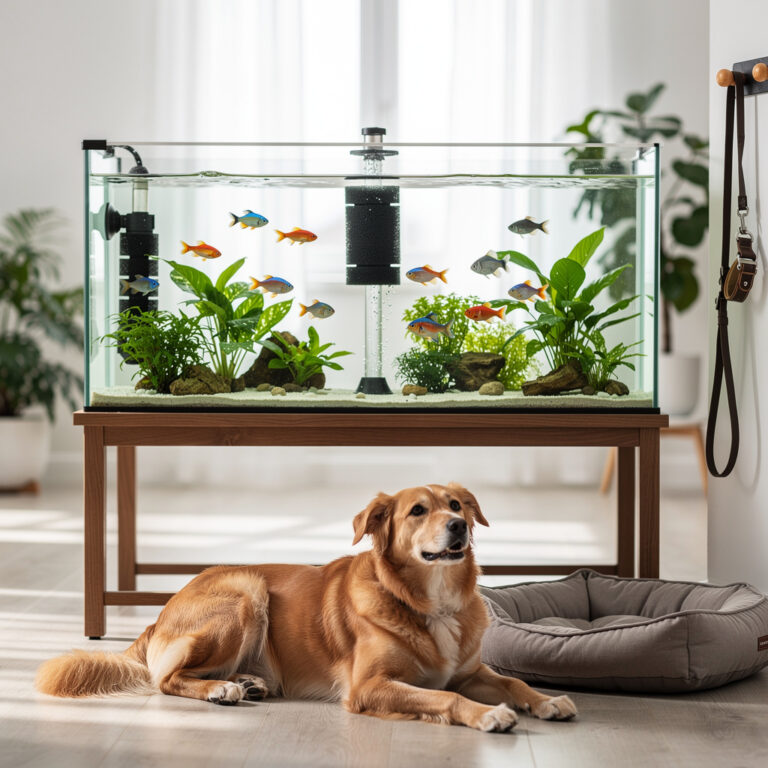
Aquarium Sponge Filters
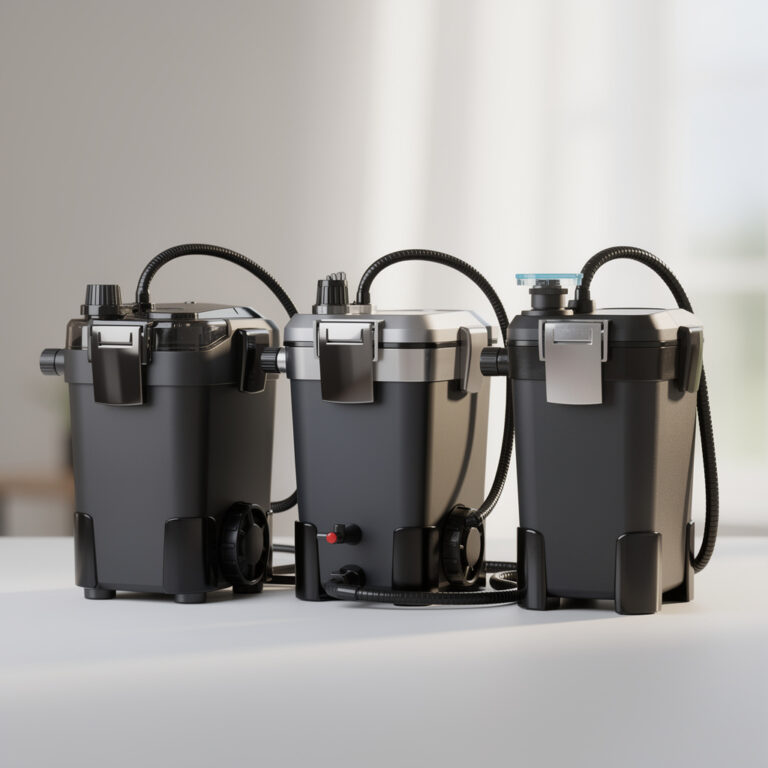
Aquarium Canister Filters
Latest Guides
New guides are on the way — check back soon.
How We Choose & Recommend
Short, practical guidance first—then product picks when you are ready.
- We compare features and real-world use cases for Aquarium Power Filters.
- We scan user feedback for patterns (not one-off opinions).
- We call out trade-offs so you can pick confidently.
FAQ
How do I size an aquarium power filter?
Start with the tank’s gallon rating, then compare it to the filter’s recommended range and gallons-per-hour number. A lightly stocked 10-gallon tank may do fine with modest circulation, while a fuller 30-gallon setup usually needs more movement and media space. Also check whether the unit hangs cleanly on your rim or fits under the lid. Measure first, then compare the box specs.
What flow is best for different fish?
The best flow depends on the fish and the tank layout. Active community fish often handle stronger water movement, while slow swimmers and fish from calm waters may need a softer return. Look for adjustable output, a wide outlet, or a spray bar if the current feels too sharp. Watch for fish that struggle to rest or stay in one area, then lower the flow.
What media should I look for in a power filter?
Look for space for mechanical and biological media at minimum. Mechanical pads or floss catch waste, while sponge or porous media gives bacteria a place to live. Some filters also allow carbon or other chemical media for specific water issues. The best setup is easy to open, easy to rinse, and not locked to one brand. Check media size, access, and replacement style.
How noisy are aquarium power filters?
Noise usually comes from the motor, splashing at the return, or a poor fit on the tank. A low hum is common, but rattling, dripping, or gurgling can be distracting near a desk or bedroom. Make sure the water level stays high enough for smooth return flow, and confirm the unit sits level on the rim. Listen for vibration, splash, and loose parts.
How often should I clean a power filter?
Most power filters need a quick check every few weeks, but the exact timing depends on feeding, stocking, and debris load. If the output slows or the intake looks fuzzy, it is time for a rinse. Use removed tank water for sponges and media so you do not shock the filter’s bacteria. Watch flow, inspect the intake, and clean before clogging gets heavy.
Can I use a power filter in a planted tank?
Yes, as long as the flow is not so strong that it uproots plants or blows substrate around. A planted tank often does better with gentle, adjustable output and a filter that leaves room for sponge and biological media. A prefilter can help keep leaves out of the intake. Check outlet direction, plant placement, and the filter’s lowest setting before setup.
Related in this hub
🐾 Our Top 3 Aquarium Power Filters
Tetra Whisper IQ 130 GPH Power Filter
This aquarium power filter features a submerged motor that starts without the need for priming.
Marineland Penguin Bio-Wheel Power Filter 200 GPH
This power filter offers multi-stage filtration including mechanical, chemical, and biological processes to support aquarium water maintenance.
Tetra Whisper IQ Power Filter 175 GPH
This power filter features a submerged motor that starts without priming. It is designed for aquariums up to 30 gallons and includes Stay Clean Technology.
Carefully selected Aquarium Power Filters tested for quality and value by PetGearAdvisor experts.