
Small Animal Plastic Cages Guide
Find a cage that fits your pet, your space, and your cleaning routine.
Last updated:
Quick answer
Small animal plastic cages are common for pets like hamsters, gerbils, mice, and sometimes guinea pigs when the design is large enough.
- Updated for 2026
- Source-backed comparisons
- Reader-first buying guides
- Transparent affiliate disclosure
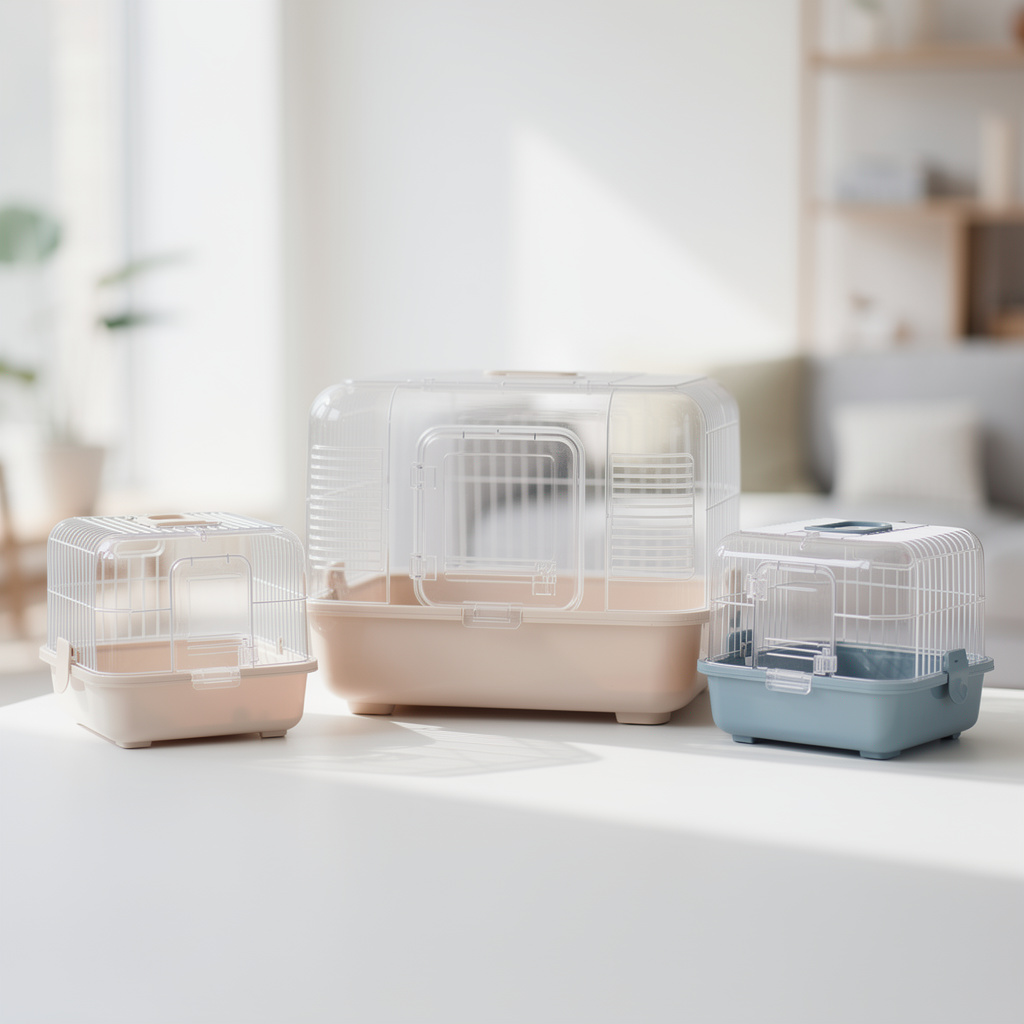
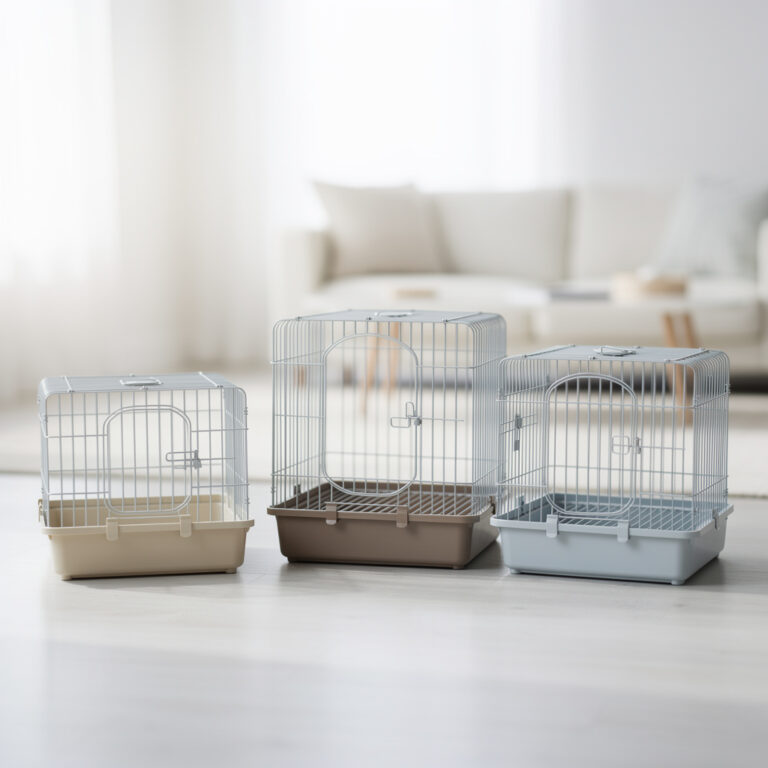
Small animal plastic cages are common for pets like hamsters, gerbils, mice, and sometimes guinea pigs when the design is large enough. They are usually made with a solid plastic base and a top with bars, mesh, or vented panels. The best ones give your pet room to move, safe airflow, and simple access for feeding, cleaning, and daily checks.
These cages are not all the same. Some are compact starter homes, while others use deep plastic bases for bedding and play space. Some have strong lids and front doors, while others only open from the top. That matters because small animals are quick, and a cage that is hard to open can make simple tasks harder for you and more stressful for the pet.
When you compare small animal plastic cages, look past the shape and color. Check the interior space, the size of the openings, the strength of the clips, and how easy it is to wash the parts. Also think about what your pet needs inside the cage, like a wheel, hideout, food dish, water bottle, and enough bedding depth. A good cage should support those basics without feeling cramped or messy. PetGearAdvisor focuses on the details that help you choose a cage that works in real life, not just on the box.
Key highlights
- Check room for movement and bedding
- Look for safe, steady ventilation
- Choose easy-to-remove cleaning parts
- Match the cage to the species
- Watch door size and latch strength
How to choose (and common mistakes)
Start with your pet’s species and adult size. A cage that looks roomy for a mouse may be too small for a guinea pig. Measure the floor space, ceiling height, and door opening before you buy. Make sure the plastic base is deep enough for bedding, but not so deep that it blocks access. Good airflow matters, too, so look for a top with bars or vented panels.
Think about cleaning next. Wide openings, smooth corners, and removable parts save time. Avoid cages with tiny doors or hard-to-reach corners, since those make spot cleaning and full washes harder. Also check that the clips, latches, and top pieces stay secure. A common mistake is choosing a cage only by size on the shelf, then finding it is awkward to use at home. Another mistake is forgetting to plan for accessories like wheels, hideouts, and bottles. The best choice fits both your pet and your daily routine.
⚡ Quick Picks: Small Animal Plastic Cages
Three strong options to start with. Pick one that matches your goal, then jump to the guides below.

SONGMICS 20-Panel Pet Playpen
This white plastic playpen measures 49.2 x 24.8 x 16.5 inches and includes 20 panels with a floor. It provides a contained space suitable for small animals like guinea pigs, hamsters, and hedgehogs to move around indoors.

Ware Manufacturing Small Animal Pet Cage
This 24-inch pet cage features heavy-duty plastic and chew-proof powder-coated wire for durability. The materials are stain and odor resistant, making the cage simple to clean.

Prevue Pet Carina Small Animal Cage
This lightweight cage features a deep plastic base with welded mesh secured by plastic clips. It is suitable for small animals like guinea pigs and dwarf rabbits, and can be used indoors or outdoors.
Carefully selected Small Animal Plastic Cages tested for quality and value by PetGearAdvisor experts.
Latest Guides
New guides are on the way — check back soon.
How We Choose & Recommend
Short, practical guidance first—then product picks when you are ready.
- We compare features and real-world use cases for Small Animal Plastic Cages.
- We scan user feedback for patterns (not one-off opinions).
- We call out trade-offs so you can pick confidently.
FAQ
What pets use plastic cages best?
They often work best for hamsters, gerbils, mice, and similar small pets that need secure sides and easy cleaning. For guinea pigs or larger animals, check the floor space, door size, and airflow carefully because many small models are too tight. Always compare the adult size of the pet, not just the young size. Start with the species first.
How much ventilation should a cage have?
Look for open top bars, mesh panels, or vented sides that let air move through the space. Solid plastic walls without enough openings can trap odor and moisture. At the same time, openings should be small enough to help prevent escapes. Check the top, the side panels, and the door area before you decide. Avoid low-airflow designs.
What size cage is better for a small pet?
Choose the largest cage that fits your room and your pet’s needs. A bigger floor area gives more room for a wheel, hideout, food dish, and water bottle without crowding the base. Measure the usable inside space, not just the outside box. Also check height if your pet climbs or needs deep bedding. Compare the full interior layout.
Are deep plastic bases worth it?
Deep bases can be useful because they hold more bedding and help keep mess inside the cage. That can make spot cleaning easier and give pets more room to burrow or nest. Just make sure the walls are not so high that access becomes difficult. Also confirm the top locks down firmly. Check depth, access, and latch security.
What makes a cage easy to clean?
Smooth plastic surfaces, wide openings, and removable top sections make cleaning much simpler. Rounded corners are easier to wipe than sharp ones, and fewer small seams usually mean less trapped debris. A base tray that lifts out is a big help, too. Avoid models with tiny clips, narrow access, or rough interior edges.
Which features help prevent escapes?
Strong clips, snug door latches, and a top that fits tightly are the main things to check. Look at the gap size around doors and vents, since small pets can push through weak spots. A sturdy base and top connection also matter if the cage is moved often. Inspect the lock points, then test the lid, then check the seams.
Related in this hub
🐾 Our Top 3 Small Animal Plastic Cages
SONGMICS 20-Panel Pet Playpen
This white plastic playpen measures 49.2 x 24.8 x 16.5 inches and includes 20 panels with a floor. It provides a contained space suitable for small animals like guinea pigs, hamsters, and hedgehogs to move around indoors.
Ware Manufacturing Small Animal Pet Cage
This 24-inch pet cage features heavy-duty plastic and chew-proof powder-coated wire for durability. The materials are stain and odor resistant, making the cage simple to clean.
Prevue Pet Carina Small Animal Cage
This lightweight cage features a deep plastic base with welded mesh secured by plastic clips. It is suitable for small animals like guinea pigs and dwarf rabbits, and can be used indoors or outdoors.
Carefully selected Small Animal Plastic Cages tested for quality and value by PetGearAdvisor experts.