
Aquarium Undergravel Filters
Plain-English help for choosing and setting up the right filter parts.
Last updated:
Quick answer
Aquarium undergravel filters are a simple filter style with a few setup details that matter a lot.
- Updated for 2026
- Source-backed comparisons
- Reader-first buying guides
- Transparent affiliate disclosure
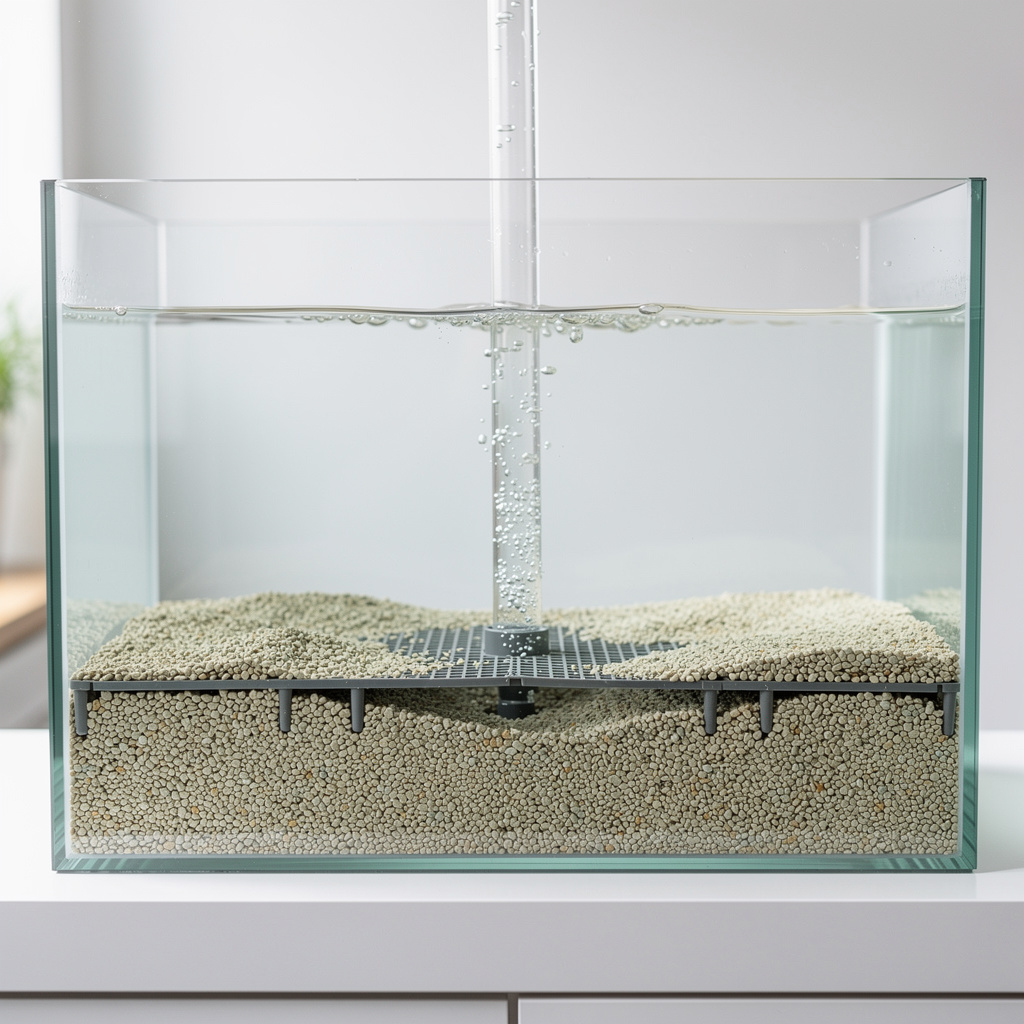
Aquarium undergravel filters are a simple filter style with a few setup details that matter a lot. The plate sits under the gravel, and water moves down through the bed, then back up through lift tubes. That design can support biological filtration and help keep the tank water moving, but only when the parts fit the tank and the substrate stays open enough for flow.
For many hobbyists, the tricky part is not the idea itself. It is the match between tank footprint, plate coverage, gravel depth, and the pump or air source. A plate that leaves gaps, gravel that packs too tightly, or weak circulation can all reduce performance. On the other hand, a well-matched undergravel setup can be straightforward to run and easy to understand once the parts are in place.
This sub-hub helps you compare undergravel filter plates, riser tubes, lift systems, and substrate choices with a practical eye. It focuses on what to check before you buy, what usually causes poor flow, and which setup details are easy to miss. If you are replacing a worn part or planning a new aquarium, the goal is the same: choose components that fit your tank’s size, layout, and maintenance routine.
Key highlights
- Check tank footprint first
- Match gravel to plate flow
- Choose the right lift system
- Watch for clogged substrate
How to choose (and common mistakes)
This section focuses on aquarium undergravel filters.
Start with the tank footprint, not the tank name on the box. The plate should cover most of the bottom area without leaving large open gaps. Next, check the gravel size. Medium gravel usually allows better water movement than very fine substrate, which can slow flow and trap waste. Then look at the lift setup. Air-driven tubes are simple, while powerheads can move more water but may create stronger current than some fish need.
A common mistake is buying a filter by tank gallons alone and skipping the actual base dimensions. Another is choosing gravel that is too fine or using a bed that is too deep. Also check tube height, connector type, and whether the parts are standard or brand-specific. If you plan to use decorations or heavy hardscape, make sure the plate layout still leaves a clear path for water. Before you buy, compare the plate size, riser length, and pump output together, not one at a time.
⚡ Quick Picks: Aquarium Undergravel Filters
Three strong options to start with. Pick one that matches your goal, then jump to the guides below.

Penn-Plax Undergravel Aquarium Filter
This filter includes two 14” x 11.1” plates designed for 20 (long) to 29 gallon tanks. It uses air stones and lift tubes to move water through the system and is suitable for both freshwater and saltwater aquariums.

Penn-Plax Undergravel Aquarium Filter
Includes two 9.5” x 9.5” plates designed for 10-gallon tanks. The system uses air stones and lift tubes to move water through the gravel substrate, suitable for both freshwater and saltwater aquariums.
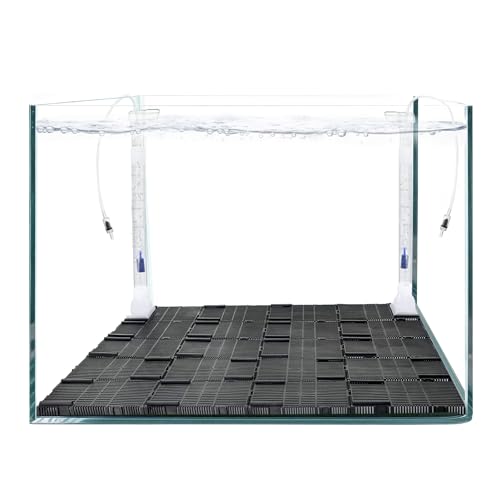
BaoZqua Undergravel Filter System
This kit includes 20 modular plates and 2 adjustable lift tubes designed to fit a 20-gallon aquarium. It uses an external air pump (not included) to drive water circulation through undergravel filtration.
Carefully selected Aquarium Undergravel Filters tested for quality and value by PetGearAdvisor experts.
Related Topics
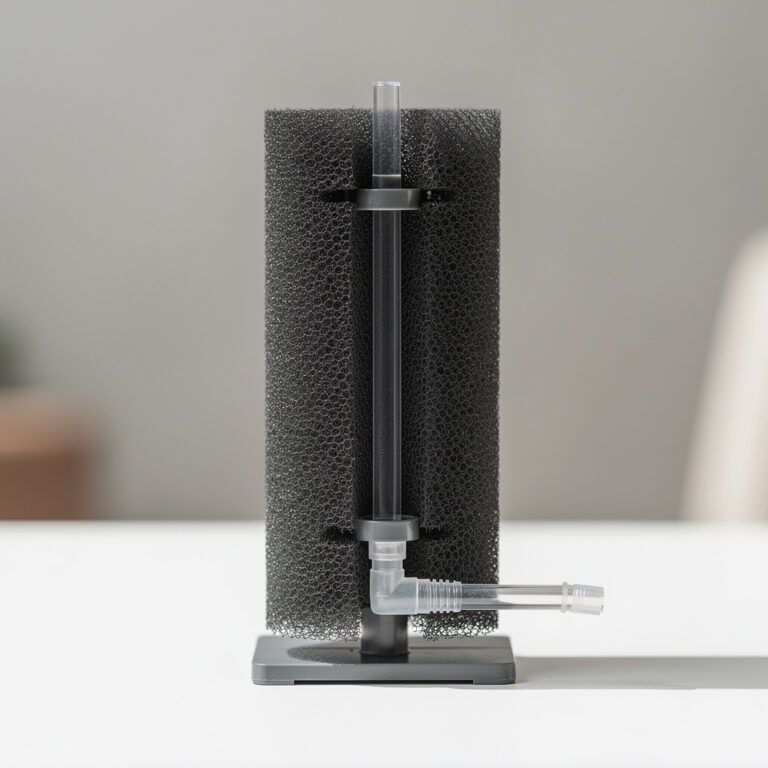
Aquarium Sponge Filters
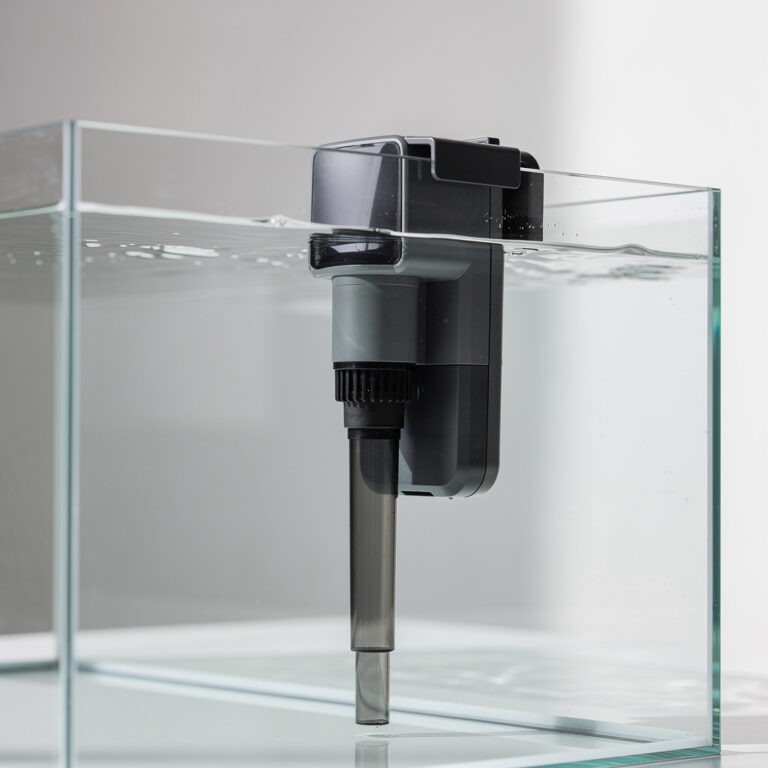
Aquarium Power Filters
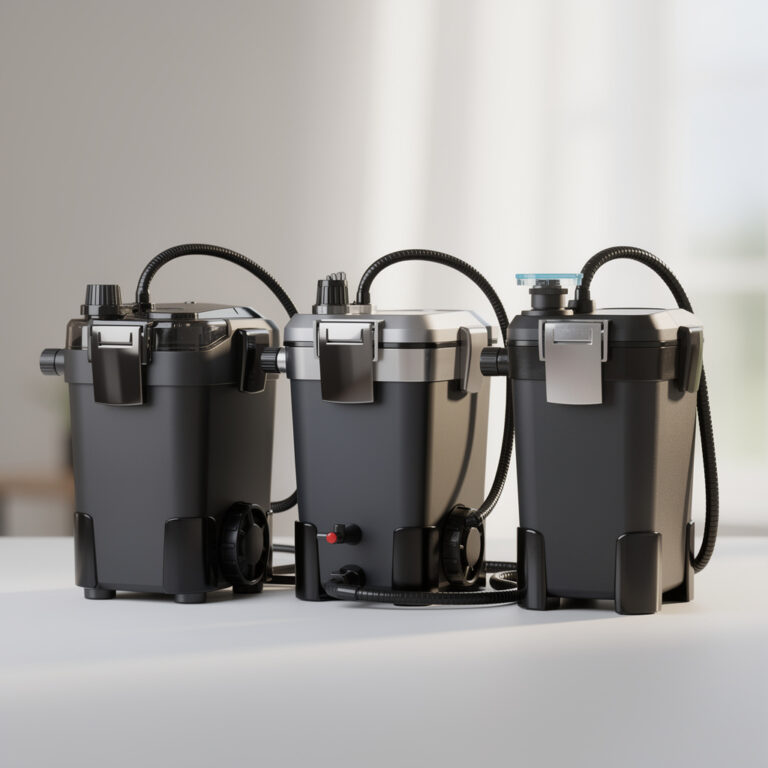
Aquarium Canister Filters
Latest Guides
New guides are on the way — check back soon.
How We Choose & Recommend
Short, practical guidance first—then product picks when you are ready.
- We compare features and real-world use cases for Aquarium Undergravel Filters.
- We scan user feedback for patterns (not one-off opinions).
- We call out trade-offs so you can pick confidently.
FAQ
How does an aquarium undergravel filter move water?
Water is pulled down through the gravel and plate, then lifted back into the tank through one or more tubes. The gravel bed helps catch larger debris, while bacteria on the surfaces support waste processing. This works best when the plate is well covered, the gravel is not too fine, and the lift system keeps a steady pull. Check flow at the tube and along the bottom.
What tank shape works best for this filter style?
A tank with a wide, simple bottom shape is easier to cover evenly than a narrow or oddly shaped footprint. Rectangular tanks usually give better plate coverage and fewer dead spots near corners. Tall tanks can still work, but the bottom area matters more than height. Measure the base, compare it to the plate, and avoid leaving large uncovered sections.
What gravel size should I use with an undergravel filter?
Medium gravel is usually the safest choice because it lets water move through without packing too tightly. Very fine substrate can slow the pull through the bed and hold waste in place. Larger stones may allow flow, but they can leave more open spaces and uneven support. Look for even, smooth pieces and keep the depth consistent across the tank.
Do I need an air pump or a powerhead?
An air pump is simple and quiet enough for many basic setups, while a powerhead can move more water through the plates and lift tubes. The better choice depends on tank size, stocking level, and how much surface movement you want. If the current seems strong near the bottom, step down before adding fish. Compare the pump outlet, tube style, and flow strength.
How do I know if the plate fits my aquarium?
Measure the inside length and width of the tank bottom, then compare those numbers to the plate dimensions. Good fit means most of the floor is covered, with little unused space at the edges. Also check corner shape, tube placement, and whether the plate can sit flat under hardscape. Avoid forcing a plate that bends or leaves large open strips.
What replacement parts should I check first?
Start with the plate, riser tubes, elbows, and any air stones or powerhead connectors. Match the connector style and tube height before you order anything. Look for cracks, cloudy plastic, or worn fittings that may leak air or reduce flow. If the old system used a brand-specific size, confirm that detail before buying. Keep the old parts beside the new ones and compare all three points: size, fit, and outlet style.
Related in this hub
🐾 Our Top 3 Aquarium Undergravel Filters
Penn-Plax Undergravel Aquarium Filter
This filter includes two 14” x 11.1” plates designed for 20 (long) to 29 gallon tanks. It uses air stones and lift tubes to move water through the system and is suitable for both freshwater and saltwater aquariums.
Penn-Plax Undergravel Aquarium Filter
Includes two 9.5” x 9.5” plates designed for 10-gallon tanks. The system uses air stones and lift tubes to move water through the gravel substrate, suitable for both freshwater and saltwater aquariums.
BaoZqua Undergravel Filter System
This kit includes 20 modular plates and 2 adjustable lift tubes designed to fit a 20-gallon aquarium. It uses an external air pump (not included) to drive water circulation through undergravel filtration.
Carefully selected Aquarium Undergravel Filters tested for quality and value by PetGearAdvisor experts.