
PetGearAdvisor
Warm Water, Fewer Surprises
Learn how to compare aquarium heaters by tank size, room temperature, and fish needs. This guide keeps the buying process simple and practical.
- Updated for 2026
- Source-backed comparisons
- Reader-first buying guides
- Transparent affiliate disclosure
Last updated:
Aquarium heaters are one of the most important pieces of fish tank gear because many freshwater and tropical fish need stable water temperatures. The right heater helps keep the tank comfortable, but the best choice is not just about wattage on the box. Tank size, room temperature, tank shape, and water flow all change how well a heater does its job.
If you are comparing options, it helps to think beyond the label and look at the full setup. A small tank in a warm room may need less output than a larger tank in a cool basement. A long tank, a tall tank, or one with strong filtration can spread heat differently, so placement and circulation matter as much as the heater itself.
This hub breaks down the main heater types, the features that are worth paying attention to, and the common mistakes that lead to uneven water temperatures. It also points you toward related gear, like heaters with controllers and thermometers, so you can build a setup that is easier to read and easier to trust. The goal is simple: help you choose aquarium heating gear that fits your tank, your routine, and your budget without guessing.
What you’ll get here
- Clear heater buying basics
- Simple size and fit guidance
- Feature comparisons in plain language
How to start (simple plan)
Start by matching the heater to your tank size, then check the room where the aquarium sits. A cool room, a drafty window, or a large tank often needs more output than the tank label alone suggests. Look at whether the heater is submersible or in-line, and make sure your filtration or water movement can spread warmth through the tank.
Next, check the controls and reading tools. A clear dial, digital display, or indicator light is easier to use than a vague scale. Pair the heater with a separate thermometer so you can compare the set temperature with the actual water temperature.
The biggest mistakes are usually simple: buying by wattage alone, placing the heater where water barely moves, and trusting one built-in reading without checking the tank. A good first setup is one heater matched to the tank, placed near steady flow, with a thermometer in a different spot to confirm the result.
⚡ Quick Picks: Aquarium Heaters
Three strong options to start with. Pick one that matches your goal, then jump to the guides below.
Orlushy Adjustable Aquarium Heater
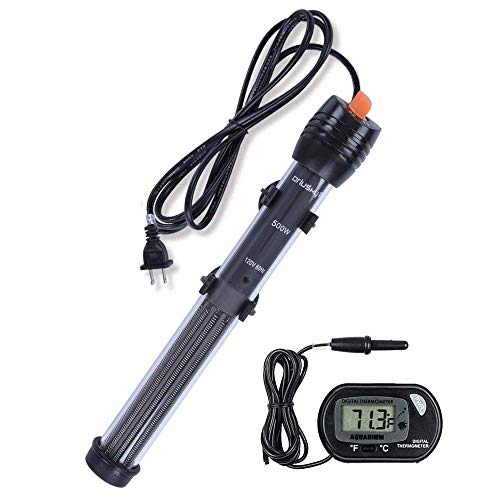
This submersible aquarium heater features a stair-shaped heating element with an indicator light that signals when the heater is active. It includes a free thermometer and is suitable for both marine saltwater and freshwater tanks.

hygger Submersible Aquarium Heater
This aquarium heater is made from 2mm thick quartz glass, offering resistance to explosion and corrosion. It features an LED digital display and is available in 10W, 25W, 50W, and 100W models suitable for tanks ranging from 5 to 26 gallons, compatible with both marine saltwater and freshwater setups.
HiTauing 300W Aquarium Heater
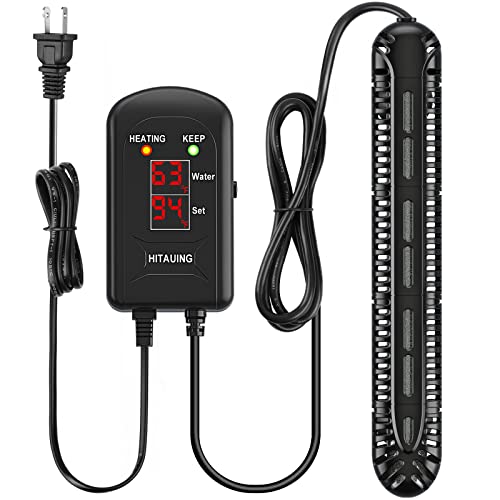
This 300W submersible aquarium heater features an LED digital display and includes two suction cups for mounting. It comes with an 8.2-foot cord and is suitable for fish tanks between 40 and 75 gallons, with five built-in safety protections.
Carefully selected Aquarium Heaters tested for quality and value by PetGearAdvisor experts.
Choose Your Next Step
Aquarium Tanks
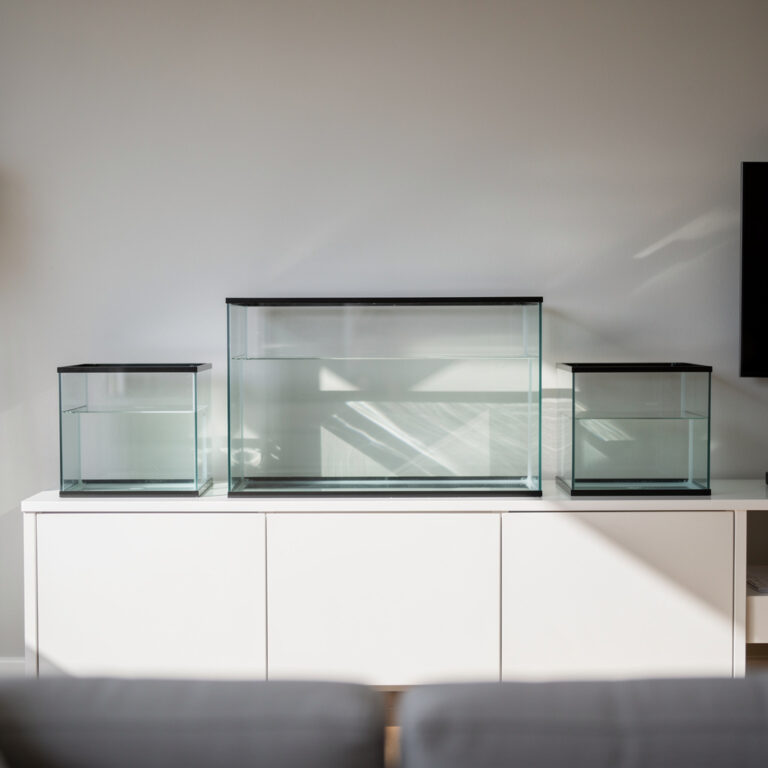
Tank size and shape affect heater choice and heat spread.
Aquarium Thermometers
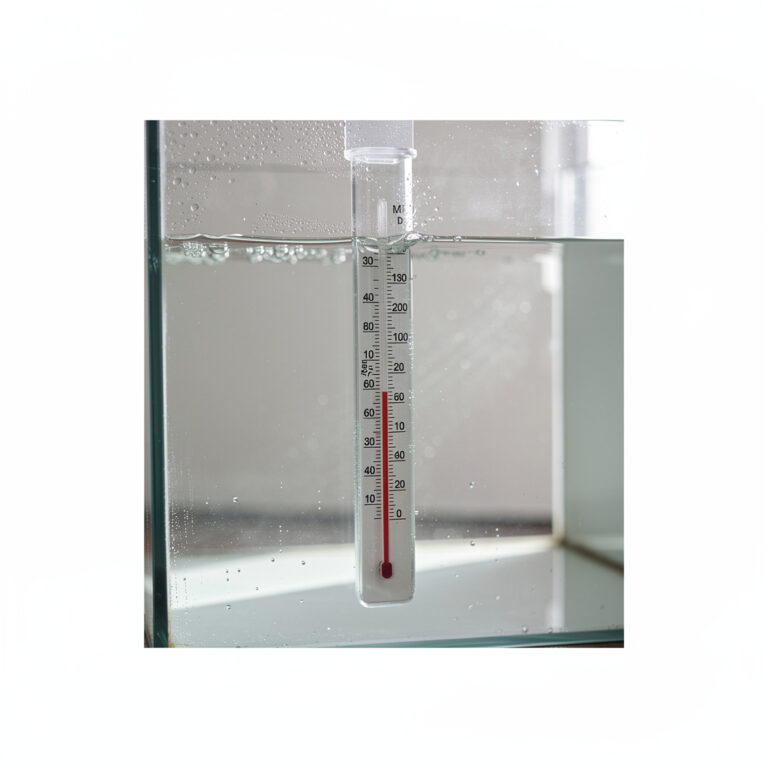
Use a separate reading to confirm real water temperature.
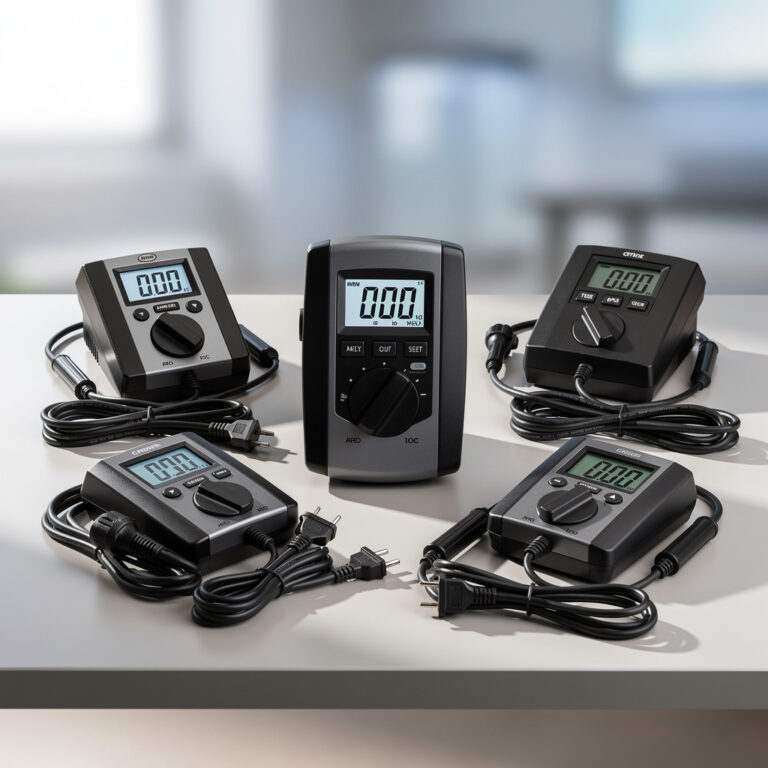
Aquarium Heater Controllers
Add tighter temperature control for more demanding setups.
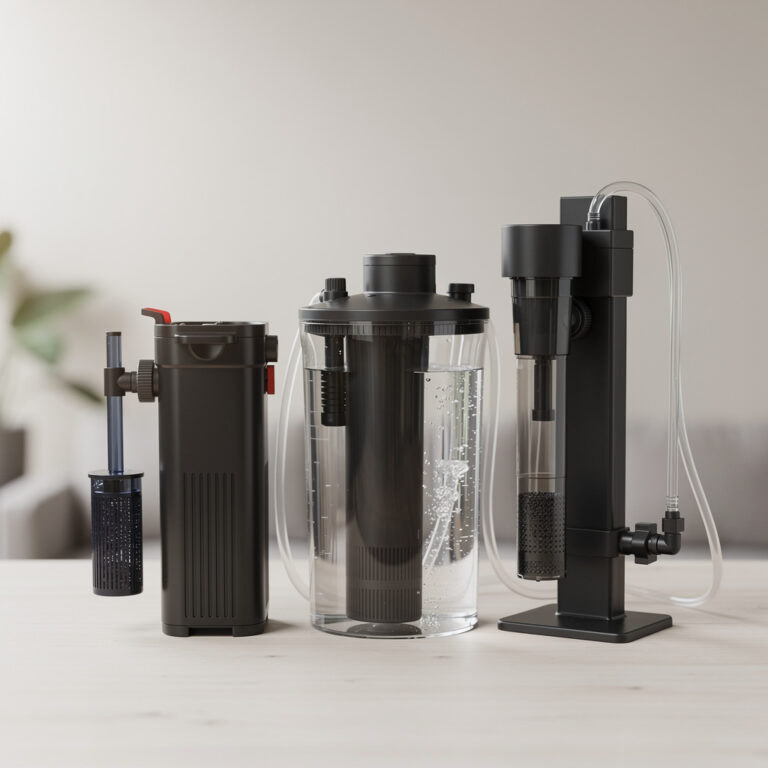
Aquarium Filters
Water movement helps warm water spread through the tank.
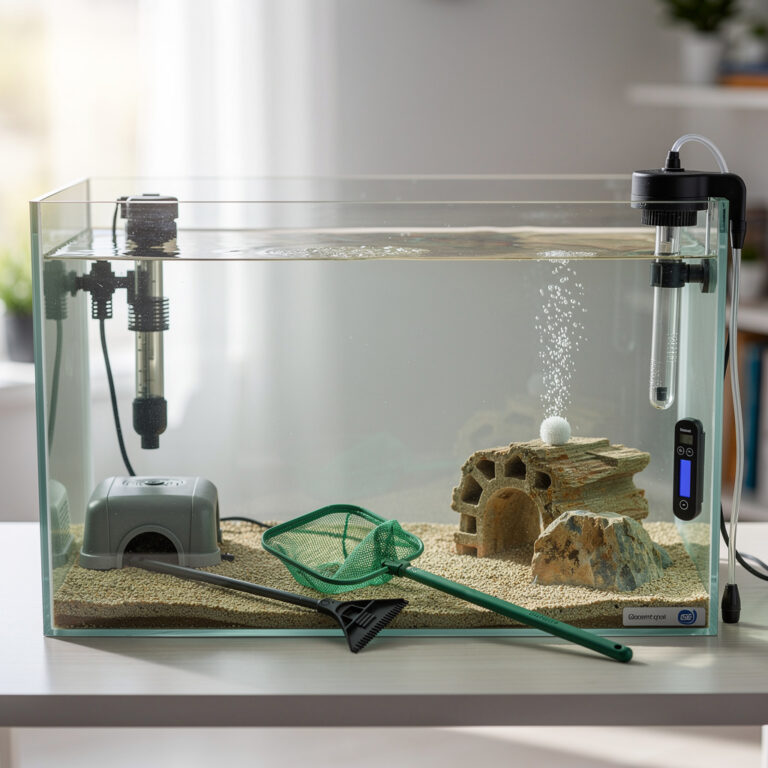
Aquarium Accessories
Small add-ons can make heater monitoring easier.
Pick the Right Path Fast
- If you want: Tank size and shape affect heater choice and heat spread. Start with: Aquarium Tanks →
- If you want: Use a separate reading to confirm real water temperature. Start with: Aquarium Thermometers →
- If you want: Add tighter temperature control for more demanding setups. Start with: Aquarium Heater Controllers →
Latest Guides
New guides are on the way — check back soon.
How We Choose & Recommend
Short, practical guidance first—then product picks when you are ready.
- We compare features and real-world use cases for Aquarium Heaters.
- We scan user feedback for patterns (not one-off opinions).
- We call out trade-offs so you can pick confidently.
FAQ
How do I choose the right aquarium heater size?
Start with the tank's gallons, then factor in the room temperature and the tank's shape. A 40-gallon tank in a cool basement usually needs more output than the same tank in a warm bedroom. Tall tanks, long tanks, and tanks with open tops lose heat differently, so the label alone is not enough.
What is the difference between submersible and in-line heaters?
A submersible heater sits inside the tank and is easy to place near filter flow or a return nozzle. An in-line heater warms water inside tubing, which works well with canister filters or other external plumbing. Submersible models are simpler to see and adjust, while in-line units keep the aquarium interior less crowded.
Why does water flow matter with a heater?
Water movement carries heat away from the heater body and into the rest of the aquarium. If the heater is tucked behind a cave, buried near gravel, or stuck in a dead spot, the water around it can warm faster than the rest of the tank. Place it where the current reaches it, often near the filter outflow.
What features matter most on an aquarium heater?
Look for a clear temperature scale, a visible heating light, and a thermostat you can trust. Strong suction cups, a protected cord, and a readable watt rating also help. If you keep sensitive fish, pair the heater with an aquarium thermometer so you can compare the set point to the actual water temperature.
How do I get the most from an aquarium heater?
Let the heater sit in a spot with steady water movement, then check the tank with a thermometer after everything stabilizes. Avoid deep sand, dense decorations, and corners where water barely moves. In larger tanks, two smaller heaters placed at opposite ends often spread warmth better than one large unit.
When should I use a heater controller?
Use a controller when you want a second temperature check or tighter control than the heater's built-in dial provides. It is especially useful in reef tanks, heavily stocked setups, or rooms with big day-and-night swings. Put the probe in moving water and keep the heater and controller cords neat and dry.
🐾 Our Top 3 Aquarium Heaters
Orlushy Adjustable Aquarium Heater
This submersible aquarium heater features a stair-shaped heating element with an indicator light that signals when the heater is active. It includes a free thermometer and is suitable for both marine saltwater and freshwater tanks.
hygger Submersible Aquarium Heater
This aquarium heater is made from 2mm thick quartz glass, offering resistance to explosion and corrosion. It features an LED digital display and is available in 10W, 25W, 50W, and 100W models suitable for tanks ranging from 5 to 26 gallons, compatible with both marine saltwater and freshwater setups.
HiTauing 300W Aquarium Heater
This 300W submersible aquarium heater features an LED digital display and includes two suction cups for mounting. It comes with an 8.2-foot cord and is suitable for fish tanks between 40 and 75 gallons, with five built-in safety protections.
Carefully selected Aquarium Heaters tested for quality and value by PetGearAdvisor experts.