
Aquarium Heater Controllers
Compare controls that help keep tank heat steady.
Last updated:
Quick answer
Aquarium heater controllers are small devices that manage when a tank heater turns on and off.
- Updated for 2026
- Source-backed comparisons
- Reader-first buying guides
- Transparent affiliate disclosure
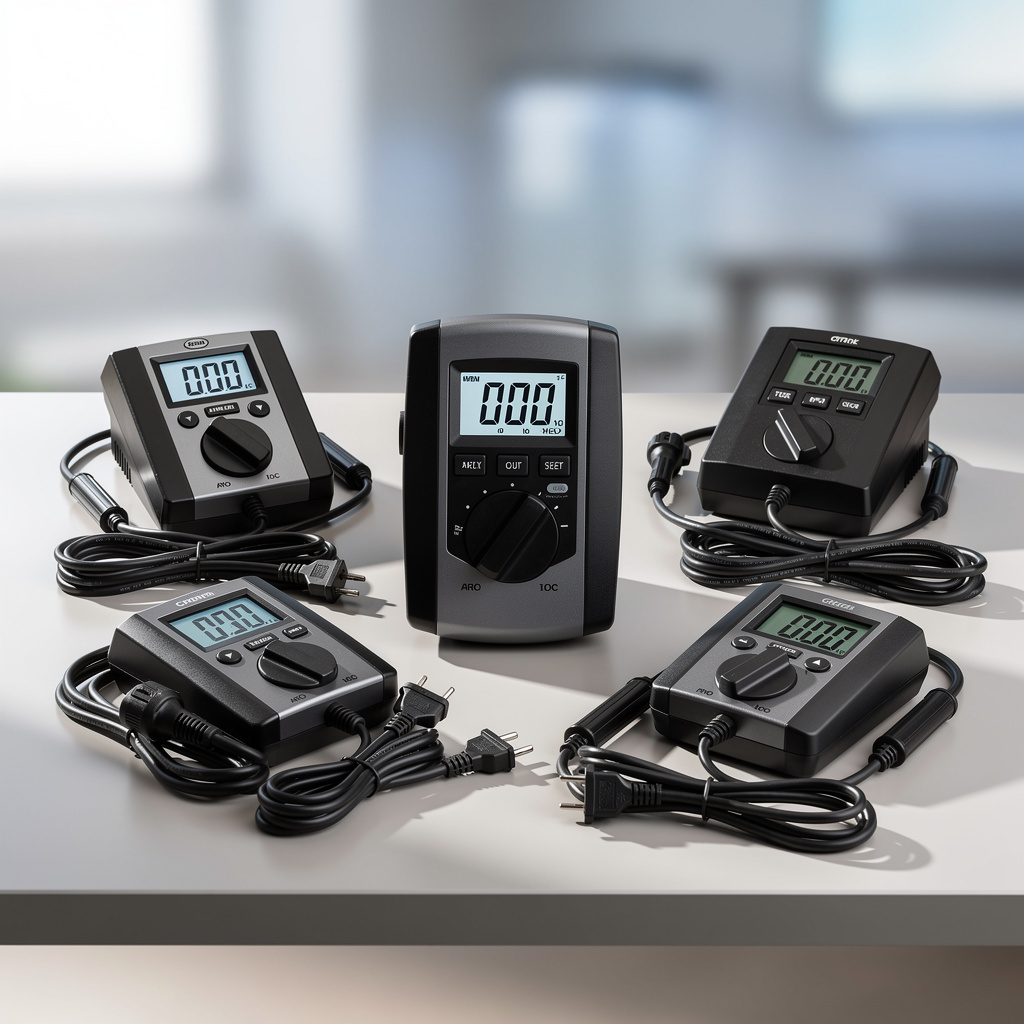
Aquarium heater controllers are small devices that manage when a tank heater turns on and off. In simple terms, they act like a thermostat for your aquarium gear. For fish keepers, that means less guesswork and a better chance of keeping the water near the target setting you want. They are most useful when you want more control than a heater’s own dial can give you, or when you want a separate backup layer.
The details matter. Some controllers use a probe that sits in the water, while others are built into a unit with a display, alarm, or outlet control. The probe location, temperature range, and heater watt rating all affect how well the setup works. A controller that is too weak for the heater, or a probe placed in the wrong spot, can cause poor readings and extra cycling.
This sub-hub helps you compare aquarium heater controllers in plain language. We focus on what you can verify from labels, manuals, and buyer feedback: load rating, sensor style, display clarity, and shutoff behavior. That makes it easier to match the controller to your tank size, heater type, and daily routine without sorting through vague product claims. If you are upgrading a new setup or replacing an older thermostat, start with the basics here and compare the parts that actually affect tank stability.
Key highlights
- Matches heater load and plug type
- Uses a probe to read water
- Helps reduce temperature swings
- Adds alarms and shutoff control
- Works best with good flow
How to choose (and common mistakes)
This section focuses on aquarium heater controllers.
Start with the heater’s wattage, voltage, and plug style. The controller must be rated for the full load, and it should be made for the kind of heater you use. Next, check the temperature range and how the probe reads water. A controller with a clear display and easy buttons is simpler to set and review.
Look for safety features that make sense for a tank setup, such as alarm alerts, fail-safe shutoff, and a probe fault warning. Make sure the cord length and outlet layout fit your cabinet or stand. If you use more than one heater, confirm whether the controller can handle them together.
Common mistakes include buying a controller with a lower watt rating than the heater, placing the probe in a warm dead spot, and trusting the controller without a backup thermometer. Also avoid mixing parts from different systems unless the manual says they are compatible. Compare the label, the probe type, and the cutoff behavior before you decide.
⚡ Quick Picks: Aquarium Heater Controllers
Three strong options to start with. Pick one that matches your goal, then jump to the guides below.
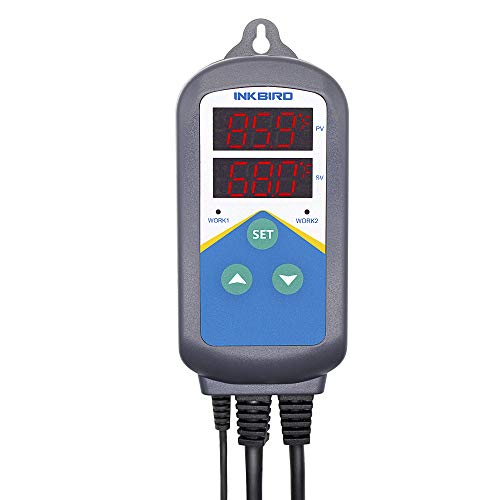
Inkbird Aquarium Heater with Probe Thermostat
This aquarium heater features a probe thermostat and corrosion-resistant design, suitable for freshwater and seawater tanks including coral cylinders. It includes a 24-hour double time setting with automatic day and night temperature control.

HiTauing Digital Temperature Controller
This device features a dual outlet thermostat with a seawater-resistant probe suitable for monitoring temperature in fish tanks, reptile enclosures, greenhouses, and seedling mats. It supports both heating and cooling functions and is designed to withstand various environmental conditions.
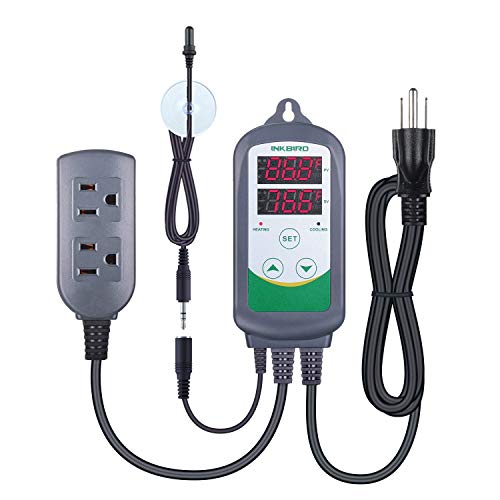
Inkbird ITC308S Temperature Controller
Includes a fully submersible probe suitable for aquarium use. Features heating and cooling outlets to connect heaters and fans for temperature regulation.
Carefully selected Aquarium Heater Controllers tested for quality and value by PetGearAdvisor experts.
Related Topics
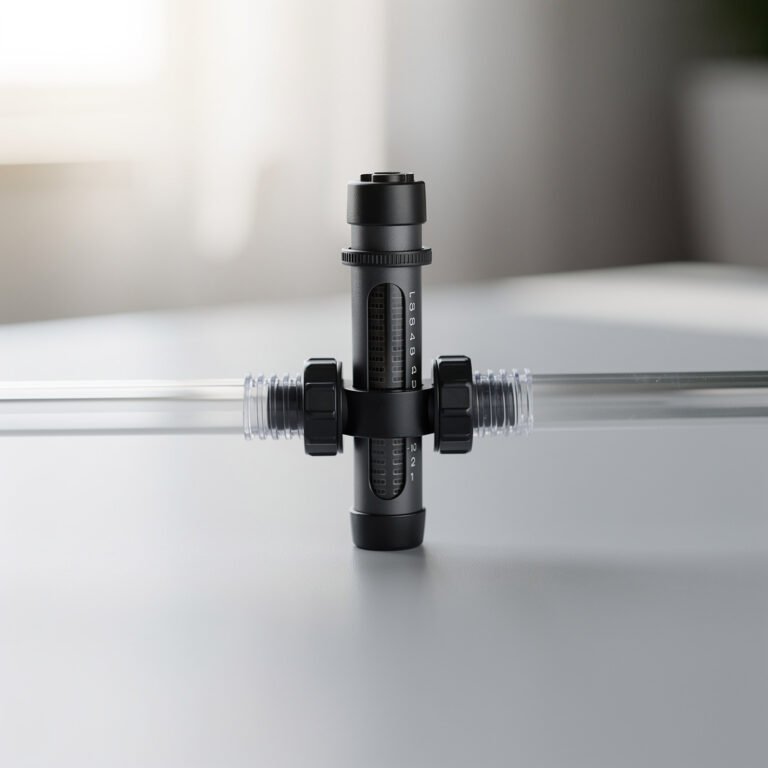
In-line Aquarium Heaters
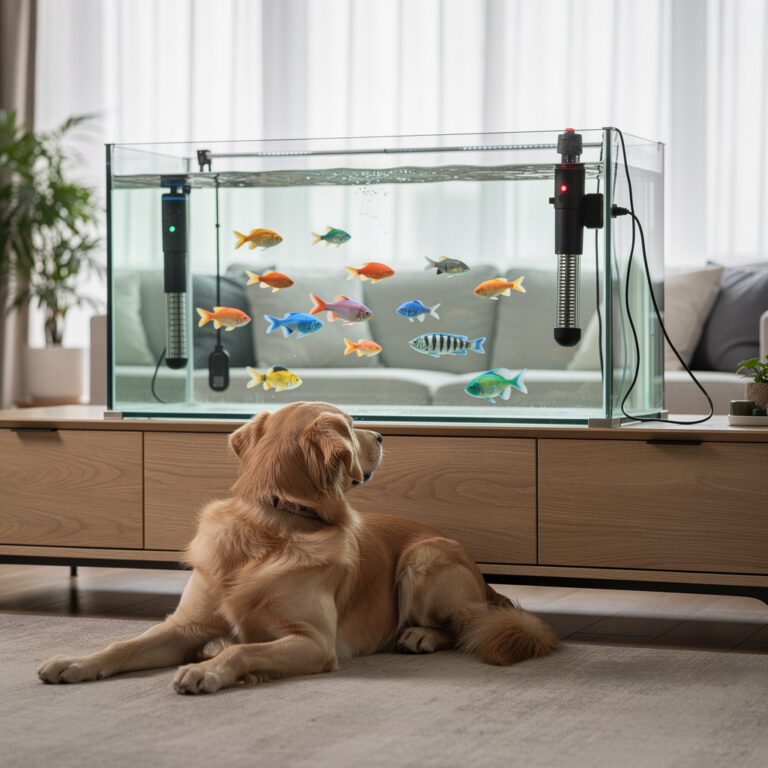
Submersible Aquarium Heaters
Latest Guides
New guides are on the way — check back soon.
How We Choose & Recommend
Short, practical guidance first—then product picks when you are ready.
- We compare features and real-world use cases for Aquarium Heater Controllers.
- We scan user feedback for patterns (not one-off opinions).
- We call out trade-offs so you can pick confidently.
FAQ
What does an aquarium heater controller actually control?
It tells the heater when to run and when to stop based on a set water temperature. Most models use a probe in the tank and a plug or outlet for the heater. That setup helps keep the water closer to the target number, especially in smaller tanks or rooms where the air temperature changes during the day. Check the setpoint range and outlet rating first.
How do I know if a controller can handle my heater?
Compare the heater’s wattage, voltage, and plug style with the controller label or manual. The controller must be rated for at least the full heater load, and the plug shape has to match too. If you use two heaters, add their wattage together before you compare. Read both labels before you connect anything.
Where should I place the temperature probe in the tank?
Put the probe where water moves well, such as near the filter outflow or circulation pump, but not right beside the heater itself. Avoid corners, stagnant spots, and glass areas that can hold heat. A probe in moving water gives a more useful reading. Use a second thermometer to confirm the spot after setup.
Do I still need the heater’s built-in thermostat?
Yes, in many setups it stays in the system as a backup or working limit. The controller is the main temperature manager, while the heater’s own dial can act as a safety layer if it is set correctly. Do not let the heater run far above the controller target. Match both settings and verify the result with a separate thermometer.
What safety features matter most in a controller?
Look for high-temperature alarms, probe failure alerts, and a clear shutoff response if the sensor gives a bad reading. Splash-resistant housing and strong cord strain relief also help near aquariums. A bright display is useful if the tank sits in a dark stand. Check how the controller behaves during a probe error before you trust it.
How can I reduce unwanted heater cycling?
Use a controller with a sensible differential so it does not switch the heater on and off too often. Keep the probe in steady flow, size the heater for the tank, and avoid placing the controller near heat vents or sunny windows. After installation, watch the temperature over a full day and adjust only one thing at a time.
Related in this hub
🐾 Our Top 3 Aquarium Heater Controllers
Inkbird Aquarium Heater with Probe Thermostat
This aquarium heater features a probe thermostat and corrosion-resistant design, suitable for freshwater and seawater tanks including coral cylinders. It includes a 24-hour double time setting with automatic day and night temperature control.
HiTauing Digital Temperature Controller
This device features a dual outlet thermostat with a seawater-resistant probe suitable for monitoring temperature in fish tanks, reptile enclosures, greenhouses, and seedling mats. It supports both heating and cooling functions and is designed to withstand various environmental conditions.
Inkbird ITC308S Temperature Controller
Includes a fully submersible probe suitable for aquarium use. Features heating and cooling outlets to connect heaters and fans for temperature regulation.
Carefully selected Aquarium Heater Controllers tested for quality and value by PetGearAdvisor experts.