
Submersible Aquarium Heaters Guide
Choose a heater that fits your tank size, layout, and daily routine.
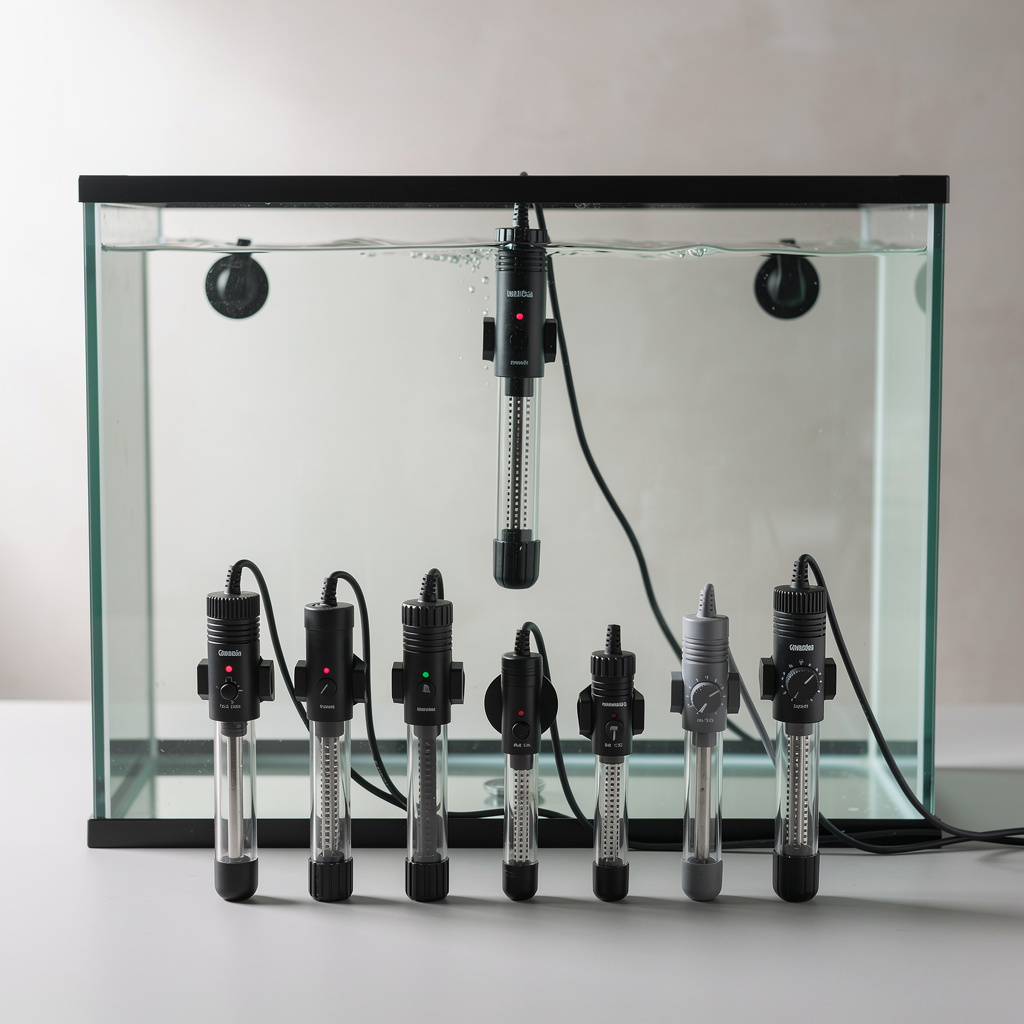
Last updated:
Quick answer
Submersible aquarium heaters are the most common way to keep a tank at a steady water temperature.
- Updated for 2026
- Source-backed comparisons
- Reader-first buying guides
- Transparent affiliate disclosure
Submersible aquarium heaters are the most common way to keep a tank at a steady water temperature. Because they sit inside the aquarium, they heat the water where your fish live, but that also means the heater’s size, placement, and build quality all matter. A heater that is too weak may never hold the set temperature. One that is too strong can cycle too often and make the tank harder to manage.
This sub-hub helps you compare submersible aquarium heaters using the things that actually affect performance: tank volume, room temperature, water flow, and safety features. Some models use a simple dial. Others use a digital display or an external controller. The right choice depends less on fancy extras and more on whether the heater is easy to read, easy to place, and suited to your tank’s shape and filter setup.
You will also find guidance on common setup problems, like putting the heater in a dead spot, covering it with gravel or decor, or using the wrong wattage for a deep or open-top tank. We turn manufacturer specs, product details, and buyer feedback into plain-language advice so you can compare options without guessing. If you are setting up a new tank or replacing an old unit, start with your actual filled water volume, then check how the heater is built, where it should go, and what backup safety features are included.
Key highlights
- Match wattage to real water volume
- Place it where water moves
- Look for clear temperature control
- Check full-submersion labeling
- Use a separate tank thermometer
How to choose (and common mistakes)
This section focuses on submersible aquarium heaters.
Start with your tank’s filled water volume, not the tank label alone. A 20-gallon aquarium with heavy decor and a cool room may need different heating than a simple warm-room setup. Then check the heater’s wattage range and whether it is rated for full submersion. Look for a model that gives you a clear temperature readout, especially if you prefer quick checks.
Pay attention to tank shape and water flow. Long tanks, tall tanks, and tanks with strong air movement can heat differently. Place the heater near circulating water so heat spreads across the aquarium. Avoid common mistakes like choosing only by tank size chart, hiding the heater behind thick decor, or assuming a dial setting is exact. A separate thermometer helps you confirm what the water is actually doing.
⚡ Quick Picks: Submersible Aquarium Heaters
Three strong options to start with. Pick one that matches your goal, then jump to the guides below.
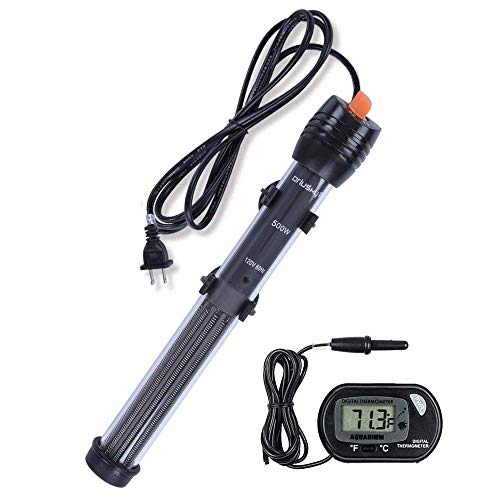
Orlushy Adjustable Aquarium Heater
This submersible aquarium heater features a stair-shaped heating element with an indicator light that signals when the heater is active. It includes a free thermometer and is suitable for both marine saltwater and freshwater tanks.
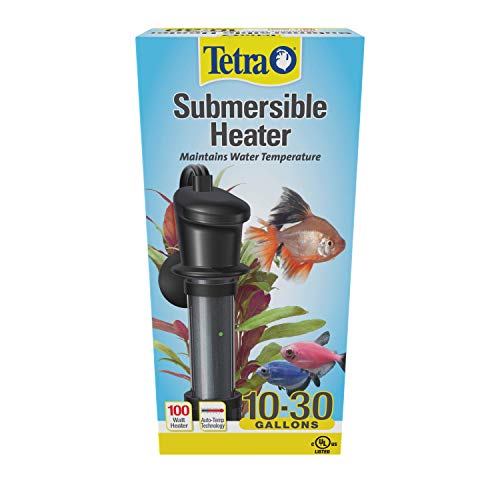
Tetra 100W Submersible Aquarium Heater
This submersible heater features an electronic thermostat to maintain water temperature around 78 degrees. It is suitable for fish tanks ranging from 10 to 30 gallons.

hygger Submersible Aquarium Heater
This aquarium heater is made from 2mm thick quartz glass, offering resistance to explosion and corrosion. It features an LED digital display and is available in 10W, 25W, 50W, and 100W models suitable for tanks ranging from 5 to 26 gallons, compatible with both marine saltwater and freshwater setups.
Carefully selected Submersible Aquarium Heaters tested for quality and value by PetGearAdvisor experts.
Related Topics
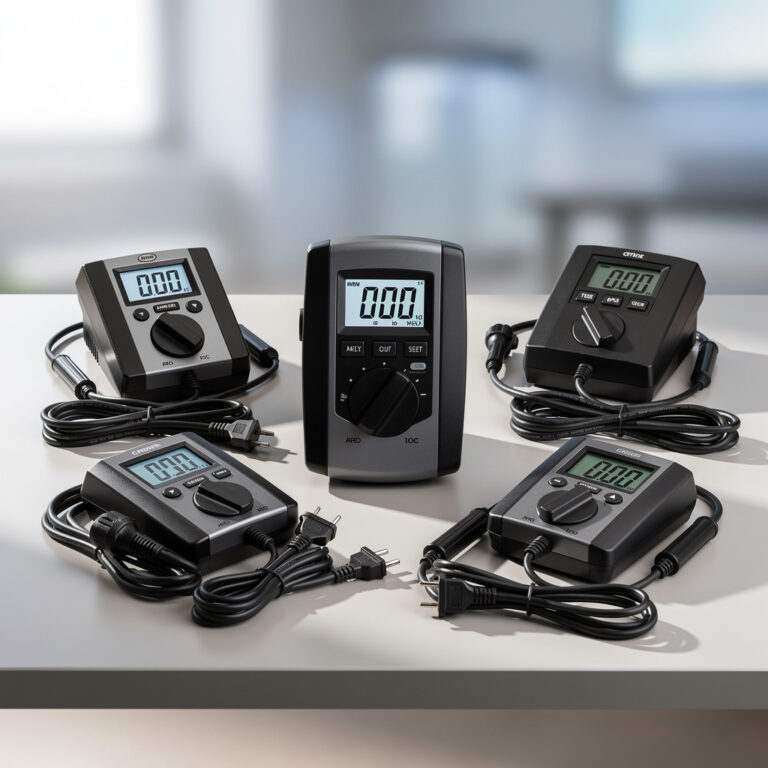
Aquarium Heater Controllers
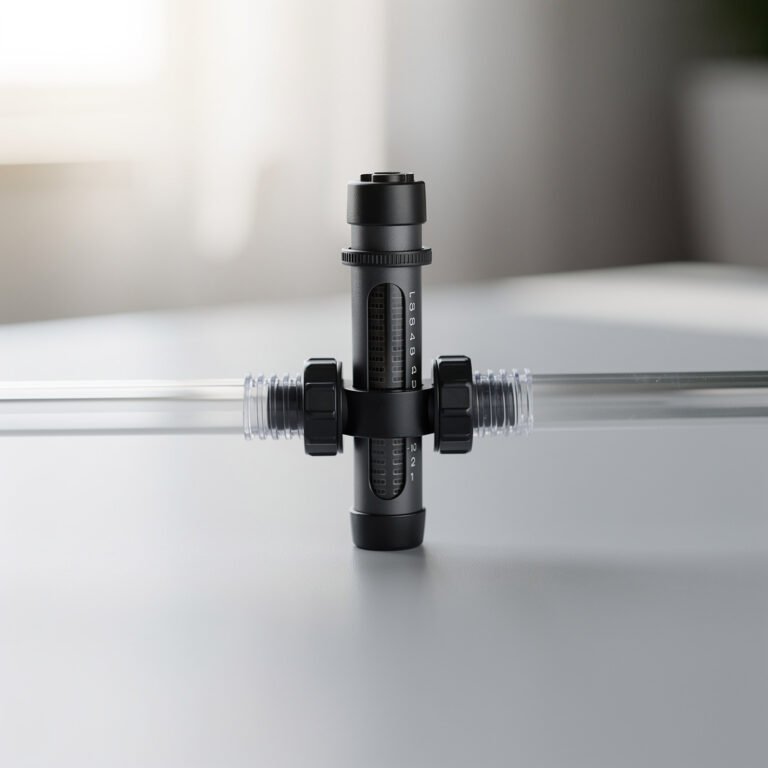
In-line Aquarium Heaters
Latest Guides
New guides are on the way — check back soon.
How We Choose & Recommend
Short, practical guidance first—then product picks when you are ready.
- We compare features and real-world use cases for Submersible Aquarium Heaters.
- We scan user feedback for patterns (not one-off opinions).
- We call out trade-offs so you can pick confidently.
FAQ
How do I match heater wattage to my tank?
Start with the actual water your aquarium holds, then compare that volume to the maker’s wattage chart. A tank with a wide top, extra decor, or a cooler room often needs more heating support than the label suggests. If you are between sizes, review the product’s recommended range and look for a model with stable cycling. Avoid choosing only by the aquarium’s outside dimensions.
Where is the best spot for a submersible heater?
Pick a place with steady water movement, often near the filter output or a gentle current path. That helps the heat spread instead of pooling in one corner. Keep the unit away from thick substrate mounds, heavy ornaments, and crowded plants that can block flow. Make sure fish cannot bump it easily. Quick check: flow, clearance, visibility.
Do digital heaters work better than dial models?
Digital models make it easier to read the set temperature because the number appears on a screen. Dial models are simpler and often have fewer parts, but the setting can be less exact. If your tank sits in a room with changing temperature, a clear readout can help during checks. Compare the display, not just the style. Look for readability, not just features.
How can I tell if the heater is actually heating the tank?
Use a separate aquarium thermometer, since the heater’s setting may not match the real water temperature. Check the tank at different times of day, especially after the lights have been on or off for a while. You should see the heater cycle on and off, not stay stuck on nonstop. If the water stays uneven, review placement and wattage before replacing the unit.
What safety features matter most in a heater?
Look for full-submersion labeling, a strong cord, and a casing that fits your tank type. A heater should also be easy to inspect for cracks, clouding, or damage before use. Keep the cord lower than the outlet to form a drip loop. If the tank is empty, unplug first. Check the label, the cord, and the housing.
Can one heater work for every aquarium size?
No single heater fits every tank well. A unit that handles a small aquarium may struggle in a larger one, while an oversized heater can cause fast cycling in a tiny tank. Tank depth, open tops, and room drafts all change the job. Use the product’s size guide as a starting point, then compare it with your real setup. Do not guess from shape alone.
Related in this hub
🐾 Our Top 3 Submersible Aquarium Heaters
Orlushy Adjustable Aquarium Heater
This submersible aquarium heater features a stair-shaped heating element with an indicator light that signals when the heater is active. It includes a free thermometer and is suitable for both marine saltwater and freshwater tanks.
Tetra 100W Submersible Aquarium Heater
This submersible heater features an electronic thermostat to maintain water temperature around 78 degrees. It is suitable for fish tanks ranging from 10 to 30 gallons.
hygger Submersible Aquarium Heater
This aquarium heater is made from 2mm thick quartz glass, offering resistance to explosion and corrosion. It features an LED digital display and is available in 10W, 25W, 50W, and 100W models suitable for tanks ranging from 5 to 26 gallons, compatible with both marine saltwater and freshwater setups.
Carefully selected Submersible Aquarium Heaters tested for quality and value by PetGearAdvisor experts.