
Small Animal Backpack Carriers
Find a carrier that fits your pet, your route, and your routine.
Last updated:
Quick answer
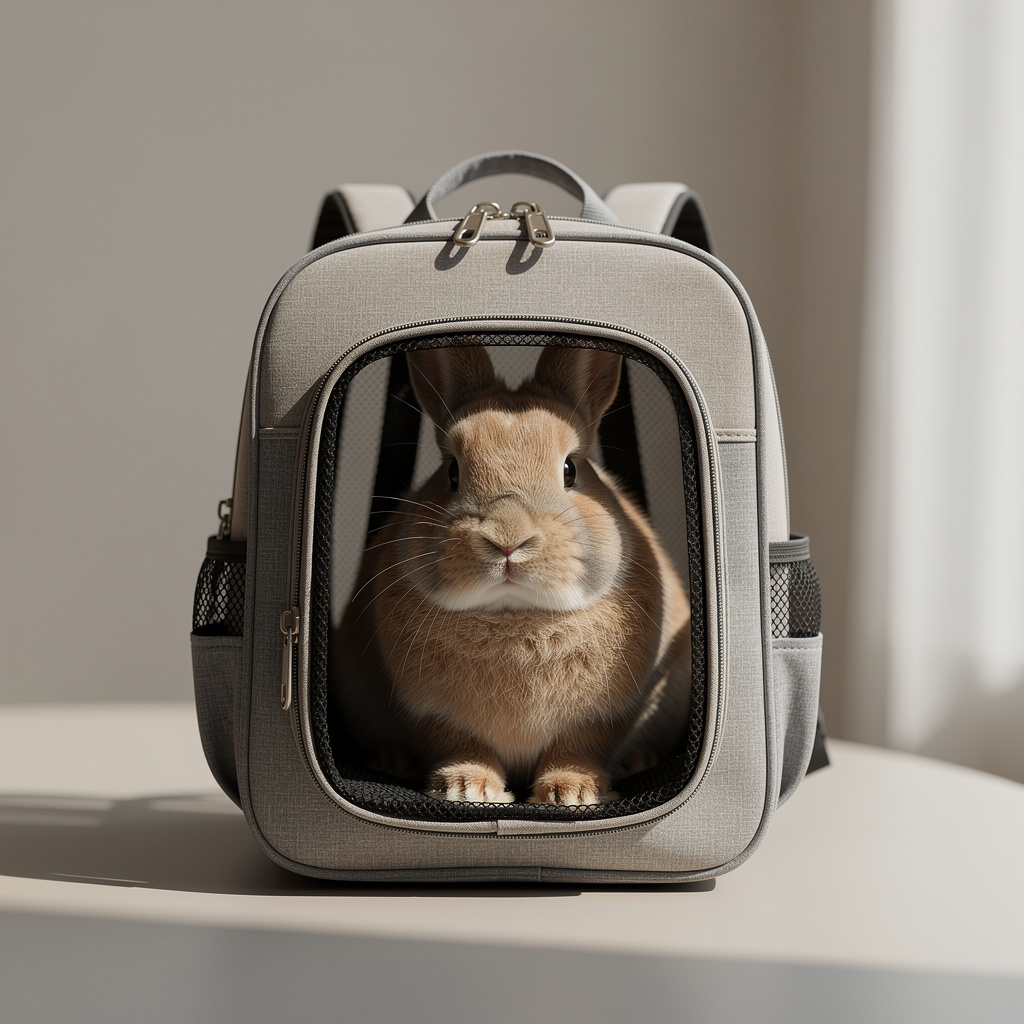
Small animal backpack carriers are built for pets that are small enough to ride close to your body while you walk, bike, or take a short trip.
- Updated for 2026
- Source-backed comparisons
- Reader-first buying guides
- Transparent affiliate disclosure
Small animal backpack carriers are built for pets that are small enough to ride close to your body while you walk, bike, or take a short trip. They are often used for toy dogs, puppies, and other very small pets that need a snug, well-ventilated place to rest between stops. For this sub-hub, the main question is simple: which backpack carrier fits your pet’s size and your real day-to-day use?
The best choice is not always the biggest bag or the one with the most pockets. A good carrier should match your pet’s body length, standing height, and comfort with being enclosed. It should also feel balanced on your shoulders, with straps that stay put and a base that does not sag when your pet shifts around. If the shape is wrong, a carrier can feel cramped, wobbly, or hard to load.
This guide helps you compare small animal backpack carriers in plain language. We look at entry style, mesh panels, floor support, leash clips, and storage for small items like wipes or treats. We also call out common mistakes, like buying by weight alone or forgetting to measure the pet while standing and curled. The goal is to help you narrow down the options fast and choose a carrier that works on sidewalks, transit, and short outings without guesswork.
Key highlights
- Measure pet length, not just weight
- Check airflow on all sides
- Look for a firm base panel
- Choose easy top or front entry
How to choose (and common mistakes)
This section focuses on small animal backpack carriers.
Start with your pet’s body size. Measure length from chest to base of tail, then note standing height and shoulder width. Compare those numbers to the carrier’s inside space, not just the outside shape. A pet may "fit" by weight but still have trouble turning, lying down, or sitting upright.
Next, check support and airflow. Mesh panels help with air flow, but they should be paired with a sturdy frame or bottom insert so the bag keeps its shape. Make sure zippers are smooth, straps are padded, and the chest or waist strap adjusts well. If your pet is nervous, choose a wider opening and a low step-in lip.
Common mistakes include buying too small, ignoring back comfort, and choosing a soft-sided bag with no support. Another mistake is skipping the closure check; some pets can push at weak zippers or gaps. Before you buy, think about where you will use it most: stairs, buses, short hikes, or vet trips. That use case should guide the design you pick.
⚡ Quick Picks: Small Animal Backpack Carriers
Three strong options to start with. Pick one that matches your goal, then jump to the guides below.

Portable Small Animal Backpack Carrier
This breathable pet carrier backpack includes a double-sided rectangular mat with soft short plush for added comfort. It is spacious enough to accommodate small animals like guinea pigs, rabbits, and other similar pets.

Small Animal Travel Backpack Carrier
A black backpack carrier with a clear bubble window, suitable for small animals like guinea pigs, bearded dragons, hedgehogs, rats, parrots, rabbits, and sugar gliders. The carrier fits items up to the size of a basketball and is airline approved.

Texsens Traveler Bubble Backpack Carrier
This pet carrier features three sides made of PVC mesh for ventilation and visibility. The breathable design allows for airflow and easy monitoring of your pet.
Carefully selected Small Animal Backpack Carriers tested for quality and value by PetGearAdvisor experts.
Latest Guides
New guides are on the way — check back soon.
How We Choose & Recommend
Short, practical guidance first—then product picks when you are ready.
- We compare features and real-world use cases for Small Animal Backpack Carriers.
- We scan user feedback for patterns (not one-off opinions).
- We call out trade-offs so you can pick confidently.
FAQ
How do I know if my pet fits a backpack carrier?
Measure your pet from chest to tail base, then check standing height and shoulder width. The pet should be able to sit, turn, and lie down without pressing hard against the shell. A soft bag can hide a bad fit, so read the inside dimensions closely. If the carrier seems close, size up and check the zipper path before using it.
What features matter most for daily errands?
For short trips, look for easy entry, steady straps, and good airflow. A front or top opening helps with quick loading, while a firm bottom keeps the bag from slumping under a small pet. A chest strap can help if you walk a lot. Skip bulky extras unless they help your normal route.
Are mesh sides enough for ventilation?
Mesh sides help, but they should not be the only airflow point if the bag has a closed front or back. Look for mesh on at least two panels and a design that does not press flat against your body. If the carrier sits close to your back, extra vents near the top and sides are useful. Check the panel layout before you buy.
Should I choose top entry or front entry?
Top entry can be easier for lifting a calm pet straight in, especially in tight spaces. Front entry works well when your pet likes to step in or when you want a wider opening. The best pick depends on your pet’s comfort and how much bending you want to do. Test the opening size and the zipper path first.
How important is the base panel?
Very important. A firm base panel helps the carrier stay level so your pet is not sagging toward the floor. That matters most for longer walks or busy streets, where shifting can make the bag feel unstable. Look for a removable insert, a flat floor, and seams that do not bow inward. Avoid soft bottoms that fold under weight.
Can I use a backpack carrier for travel?
Yes, if the carrier has secure closures, a stable shape, and the size fits your pet well. It should be easy to carry through stations, parking lots, or vet lobbies without swinging too much. Check the straps, handle, and inside tether before you go. Start with a short practice trip and watch for rubbing or slipping.
Related in this hub
🐾 Our Top 3 Small Animal Backpack Carriers
Portable Small Animal Backpack Carrier
This breathable pet carrier backpack includes a double-sided rectangular mat with soft short plush for added comfort. It is spacious enough to accommodate small animals like guinea pigs, rabbits, and other similar pets.
Small Animal Travel Backpack Carrier
A black backpack carrier with a clear bubble window, suitable for small animals like guinea pigs, bearded dragons, hedgehogs, rats, parrots, rabbits, and sugar gliders. The carrier fits items up to the size of a basketball and is airline approved.
Texsens Traveler Bubble Backpack Carrier
This pet carrier features three sides made of PVC mesh for ventilation and visibility. The breathable design allows for airflow and easy monitoring of your pet.
Carefully selected Small Animal Backpack Carriers tested for quality and value by PetGearAdvisor experts.