
PetGearAdvisor
Find Bedding That Fits Your Pet’s Space
Learn how to compare small animal bedding without the guesswork. This guide keeps choices simple, practical, and easy to match to your pet’s setup.
- Updated for 2026
- Source-backed comparisons
- Reader-first buying guides
- Transparent affiliate disclosure
Last updated:
Small animal bedding does more than line a cage. It helps shape how clean the habitat stays, how easy daily care feels, and how comfortable your pet is in its space. For rabbits, guinea pigs, hamsters, mice, rats, and other small pets, the best bedding depends on body size, cage type, chewing habits, and how often you clean.
There are many bedding styles on the market, and they do not all do the same job. Some are made for soft footing and nesting. Others focus on soaking up moisture or making spot-cleaning easier. A few bedding types are better for burrowing pets, while others work best under hay, litter areas, or heavier use zones. The right choice is usually not the one with the biggest claims on the bag. It is the one that matches your pet’s needs and your cleaning routine.
This hub helps you compare the main bedding options in plain language. You will learn what each type is for, what features matter most, and which mistakes can make a cage harder to manage. We also point out common tradeoffs, like softness versus odor control, or nesting comfort versus easy cleanup. Use this page to narrow your choices before you buy, so you can pick bedding that works better day to day.
What you’ll get here
- Clear bedding comparisons by use
- Simple notes on comfort and cleanup
- Help choosing for your pet
- Common mistakes to avoid
How to start (simple plan)
This section focuses on small animal bedding.
Start by matching the bedding to the pet and the cage. Burrowing pets often need deeper, softer bedding, while rabbits and guinea pigs may need a more absorbent layer with good odor control. If your pet spends time in a litter area, feeding corner, or sleep box, you may need different bedding in each spot.
Next, check the package for dust level, absorbency, and how much it expands or compresses. Paper bedding is often chosen for softness and cleanup, while wood or pellet bedding may fit certain cages better for odor control and spot care. Avoid bedding that is too dusty, too rough, or too shallow for the species you keep.
A good starter plan is simple: choose one main bedding type, test it in one cage area, and watch how your pet uses it for a few days. If the bedding stays dry, holds shape, and does not spread debris everywhere, it is probably a better fit. If it clumps badly, feels sharp, or needs constant changing, try a different style.
⚡ Quick Picks: Small Animal Bedding
Three strong options to start with. Pick one that matches your goal, then jump to the guides below.

Kaytee Clean & Cozy Paper Bedding
White paper bedding for small animals, measuring 49.2 liters. The bedding is 99.9% dust free.
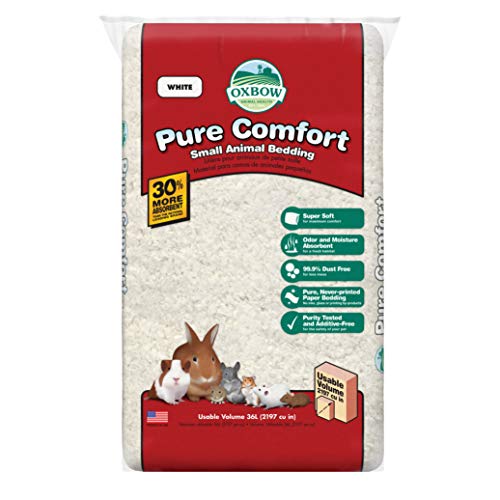
Oxbow Small Animal Bedding 36L
Absorbent bedding designed for small animals such as hamsters, guinea pigs, and rabbits. Made in the USA and suitable for use in litter boxes and habitats.

Kaytee Clean & Cozy Paper Bedding
This bedding is made from 100% recycled paper and comes in a 49.2-liter size. It is suitable for small pets and made with environmentally friendly materials.
Carefully selected Small Animal Bedding tested for quality and value by PetGearAdvisor experts.
Choose Your Next Step
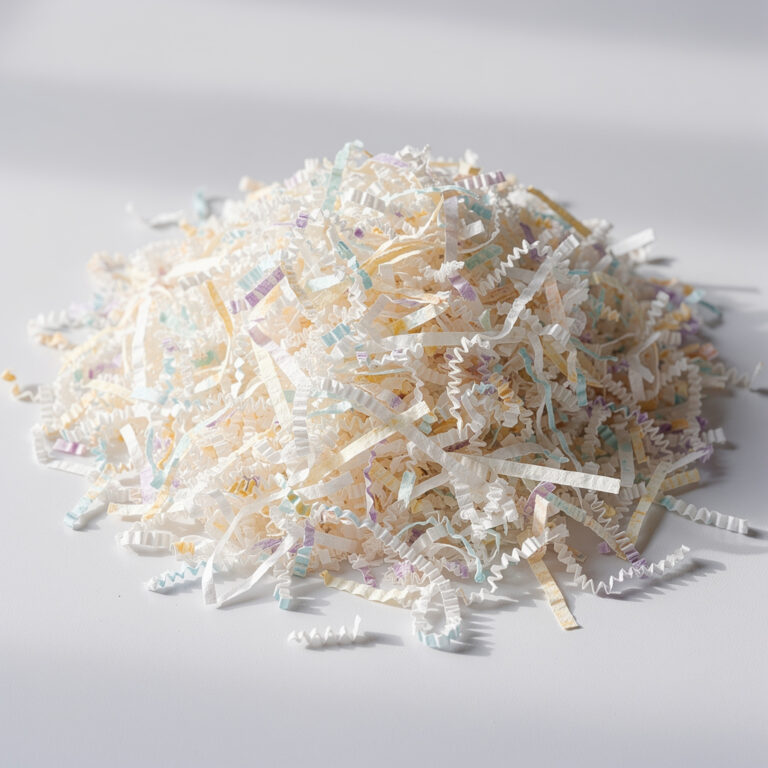
Paper Bedding Basics
Soft, absorbent, and easy to compare for many small pets.
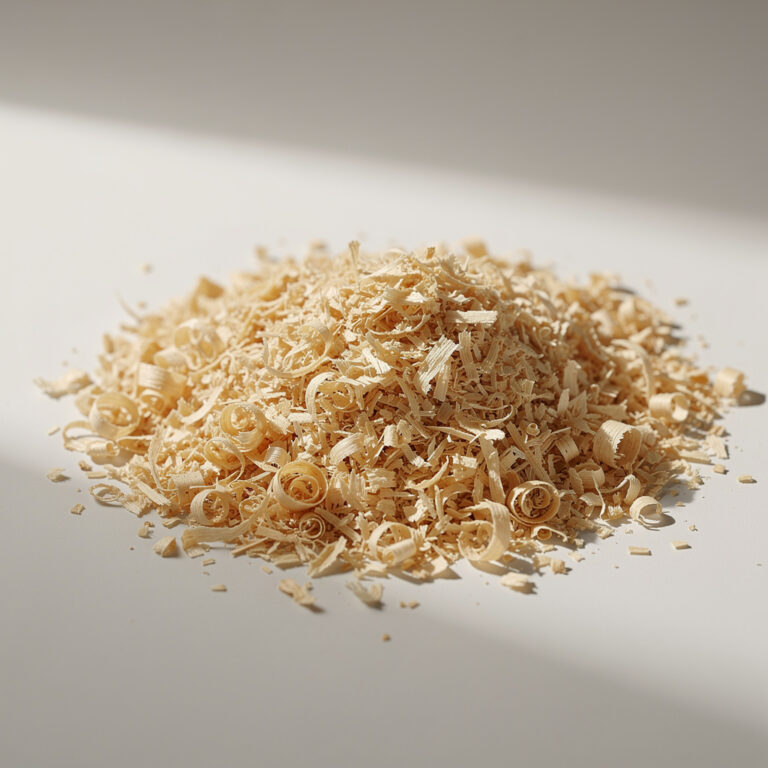
Wood Shavings Bedding
A familiar option for pets that need simple cage coverage.
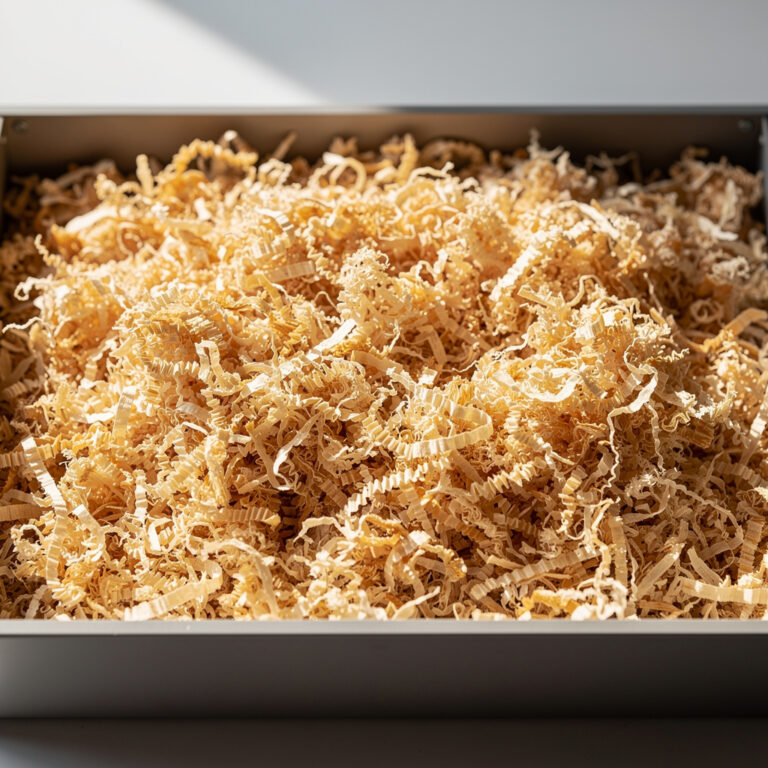
Aspen Bedding
A wood-based bedding choice often used for dry, neat habitats.
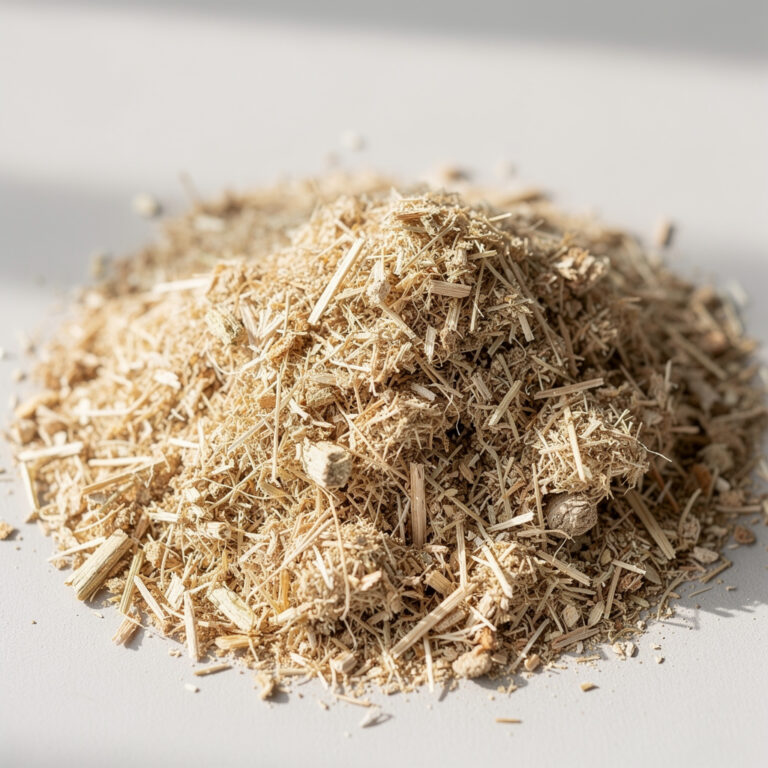
Hemp Bedding
A plant-based option with a different feel and cleanup style.
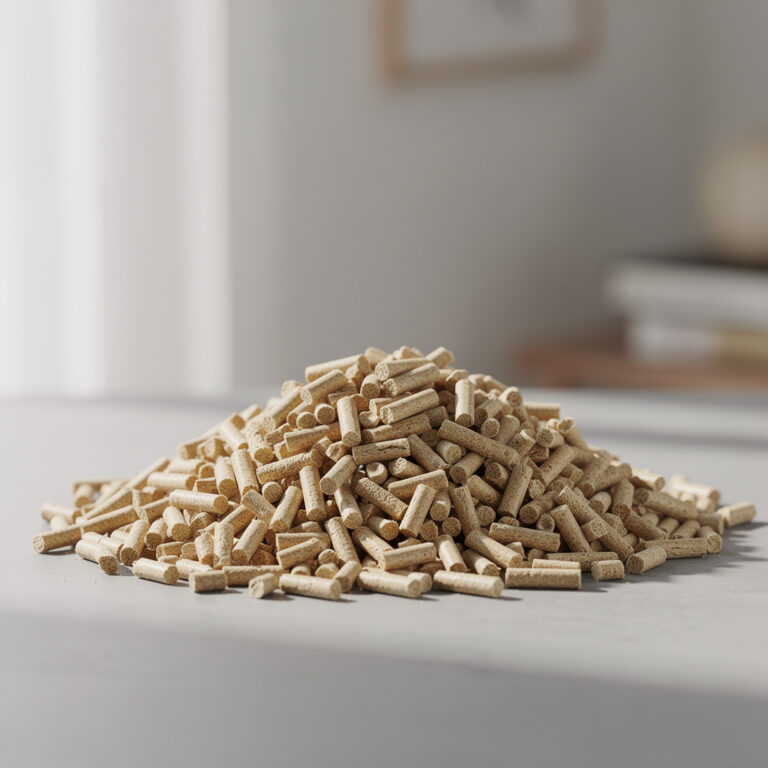
Pellet Bedding
A firmer bedding style that can work well in some cages.
Pick the Right Path Fast
- If you want: Soft, absorbent, and easy to compare for many small pets. Start with: Paper Bedding Basics →
- If you want: A familiar option for pets that need simple cage coverage. Start with: Wood Shavings Bedding →
- If you want: A wood-based bedding choice often used for dry, neat habitats. Start with: Aspen Bedding →
Latest Guides
New guides are on the way — check back soon.
How We Choose & Recommend
Short, practical guidance first—then product picks when you are ready.
- We compare features and real-world use cases for Small Animal Bedding.
- We scan user feedback for patterns (not one-off opinions).
- We call out trade-offs so you can pick confidently.
FAQ
What is small animal bedding for?
Small animal bedding gives pets a soft, clean layer to walk on, rest in, and sometimes dig through. It also helps soak up urine and makes cage cleanup easier. In a rabbit or guinea pig cage, it may sit under hay. In a hamster setup, it may need enough depth for tunneling and nesting.
How do I choose the right bedding type?
Start with the pet’s needs and the cage shape. Paper bedding is often soft and easy to fluff, while aspen or hemp may feel drier and hold up better in some setups. Look at dust, absorbency, and how much bedding your pet can push around without making a mess outside the cage.
Which bedding features matter most?
Absorbency, dust level, and texture matter most for most owners. A bedding that soaks up moisture, stays low-dust, and does not feel sharp will usually be easier to live with. For burrowing pets, depth and ability to hold tunnels also matter, especially in deeper bins or large wire-bottom cages with liners.
What are the most common bedding mistakes?
One common mistake is using a thin layer, which breaks down fast and leaves wet spots. Another is choosing bedding that is dusty or too rough for small feet. Some people also switch between many bedding types at once, which makes it hard to tell what actually works in the habitat.
How can I get the most from bedding?
Use the bedding where it fits best. Put a thicker layer in sleeping or digging areas, and keep a smaller amount in feeding corners if needed. Spot-clean damp patches often, top off low areas, and keep hay or litter in separate zones so the bedding stays usable longer.
What is better value for money: soft or firm bedding?
Better value depends on how you use it. Soft bedding may feel nicer for nesting and resting, but firm bedding can hold up better in dry or high-traffic areas. Look at how much one bag covers, how often you change it, and whether it stays effective after pets move it around.
🐾 Our Top 3 Small Animal Bedding
Kaytee Clean & Cozy Paper Bedding
White paper bedding for small animals, measuring 49.2 liters. The bedding is 99.9% dust free.
Oxbow Small Animal Bedding 36L
Absorbent bedding designed for small animals such as hamsters, guinea pigs, and rabbits. Made in the USA and suitable for use in litter boxes and habitats.
Kaytee Clean & Cozy Paper Bedding
This bedding is made from 100% recycled paper and comes in a 49.2-liter size. It is suitable for small pets and made with environmentally friendly materials.
Carefully selected Small Animal Bedding tested for quality and value by PetGearAdvisor experts.